

 English
 日本語
日本語 Español
What Is a Muscle Roller Stick and How Does It Work?
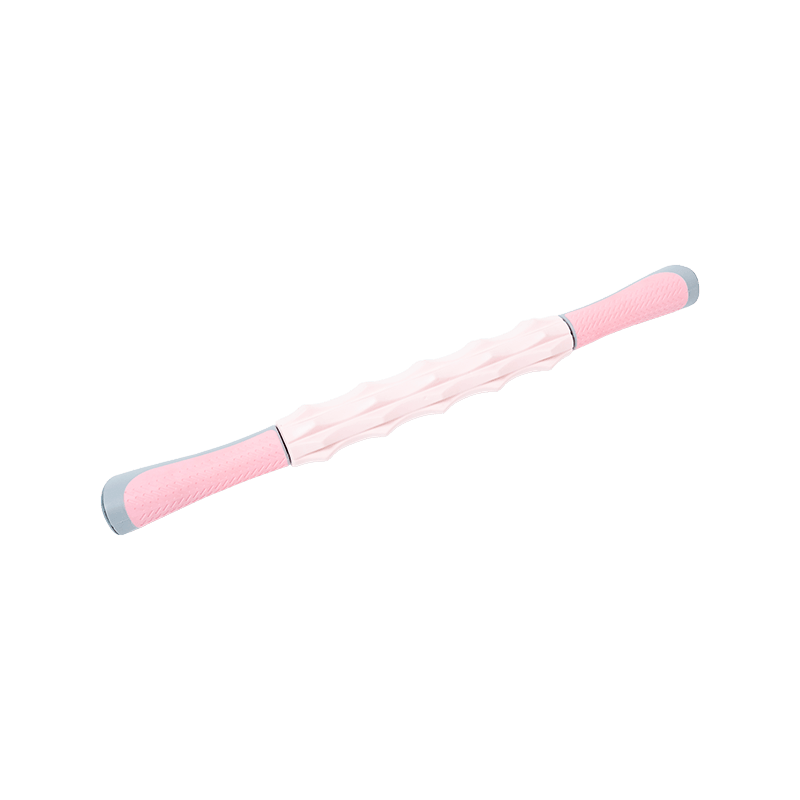
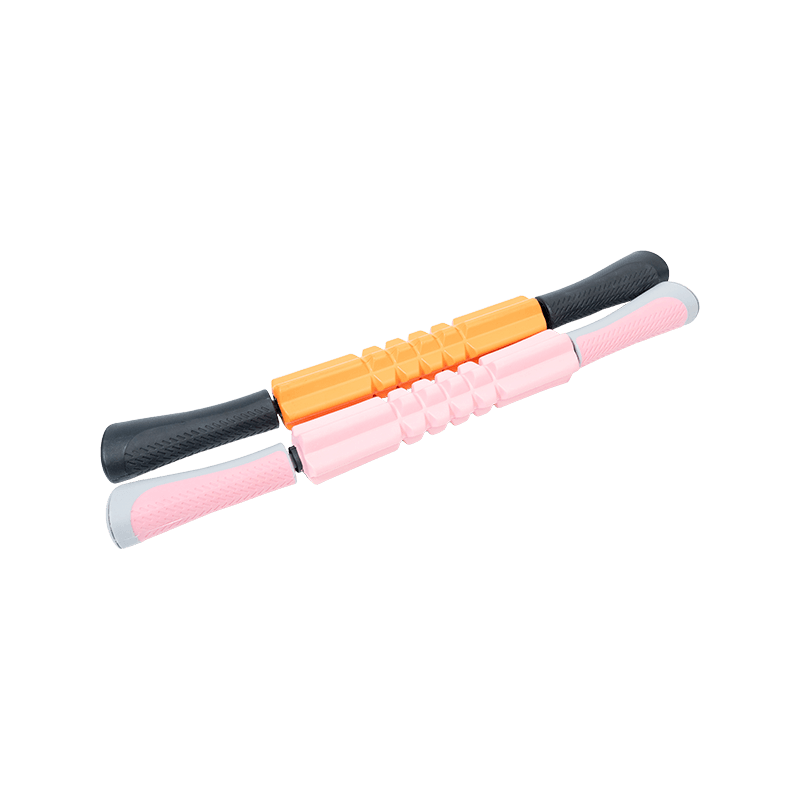
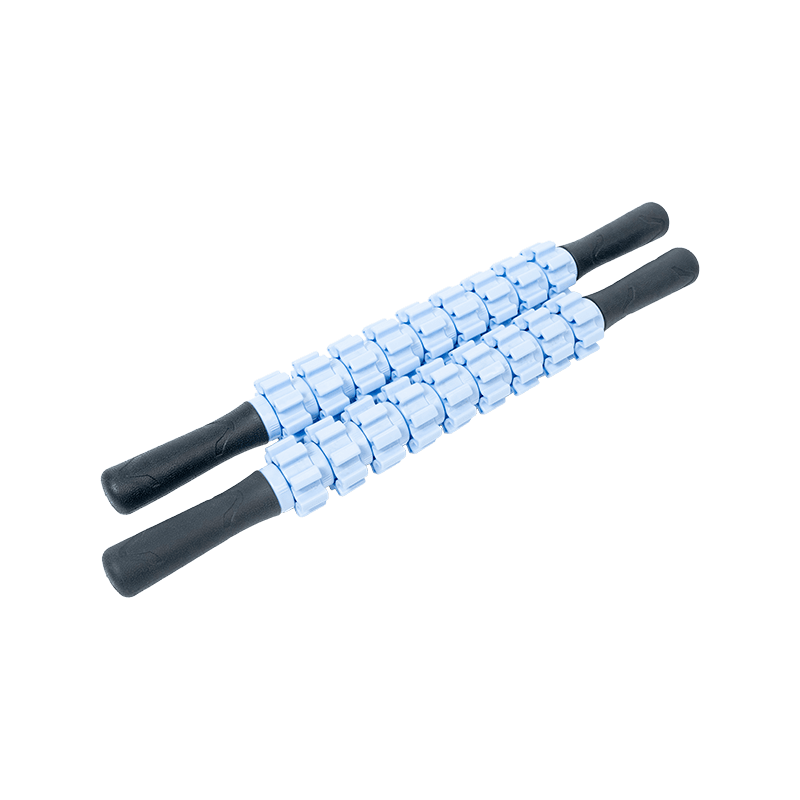
A muscle roller stick is a handheld self-massage tool consisting of a rigid or semi-flexible shaft fitted with a series of independently rotating cylindrical rollers. The user grips both handles and rolls the spindle section along a target muscle group, applying controlled compression and shear force to the underlying soft tissue. Unlike a foam roller, which relies on bodyweight for pressure, a muscle roller stick gives the user direct manual control over stroke direction, pressure intensity, and the specific area being targeted.
The physiological mechanism behind roller stick effectiveness centers on two well-documented processes. The first is myofascial release — the application of sustained mechanical pressure to the fascia (the connective tissue surrounding muscle fibers) to reduce adhesions and restore pliability. The second is increased local blood flow: compression and release of superficial muscle tissue promotes vasodilation and circulatory flushing, accelerating the clearance of metabolic waste products such as lactate and hydrogen ions that accumulate during intense exercise.
A 2014 study published in the Journal of Athletic Training found that roller massage applied for 20 seconds per site significantly improved range of motion in the knee joint without decreasing muscle force output — a finding that made roller sticks a practical warm-up and pre-competition tool as well as a recovery instrument.
Muscle Roller Stick Benefits
The benefits of regular muscle roller stick use span both acute (single-session) and chronic (accumulated over weeks) adaptations. The most consistently reported benefits across sports science literature and practitioner experience include:
- Reduced delayed onset muscle soreness (DOMS): Rolling within 24–72 hours of intense training consistently reduces perceived soreness severity. A 2015 meta-analysis in the Journal of Strength and Conditioning Research found that foam and roller-stick massage reduced DOMS ratings by an average of 6–8 points on a 100-point scale compared to passive recovery.
- Improved flexibility and range of motion: Even brief 30–60 second rolling sessions produce measurable increases in joint range of motion, likely through both neural (reduced stretch reflex sensitivity) and mechanical (fascial deformation) pathways.
- Faster recovery between training sessions: By accelerating circulatory clearance of metabolic byproducts and reducing tissue stiffness, roller stick use can compress recovery timelines — a meaningful advantage for athletes training twice per day or competing on consecutive days.
- Reduced perceived fatigue: Beyond the physiological effects, the tactile stimulation of rolling activates mechanoreceptors in the skin and subcutaneous tissue, which has been linked to reduced central nervous system fatigue perception in several sports science studies.
- Portability and accessibility: A roller stick weighs 200–400 g and fits in a gym bag or running pack. This makes it practical for use at the track, during travel, or at competitions — environments where foam rollers or massage guns are impractical to carry.
How to Use a Muscle Roller Stick
Effective technique matters. Incorrect use — rolling too fast, applying excessive pressure on bony areas, or skipping warm-up tissue — reduces effectiveness and risks bruising or nerve irritation. The following protocol is based on guidelines from sports physiotherapy practice and peer-reviewed rolling research.
General Technique Principles
- Roll speed: Use a slow, deliberate stroke — approximately 2–3 seconds per full pass over the target muscle. Fast rolling produces less tissue deformation and reduces the time under tension that drives myofascial adaptation.
- Pressure: Apply enough pressure to feel a "therapeutic discomfort" — distinguishable from sharp or acute pain. A rating of 5–7 out of 10 on a discomfort scale is the widely recommended working range. If the sensation is sharper than 7/10, reduce pressure.
- Duration: 30–60 seconds per muscle group is the evidence-supported range for acute flexibility improvement. For recovery-focused rolling sessions post-workout, 60–90 seconds per site is appropriate.
- Direction: Roll both longitudinally (along the muscle fiber direction) and transversely (across the fibers) to address adhesions in multiple planes. Begin longitudinally, then add transverse strokes once the tissue has warmed under pressure.
- Avoid bony prominences: Keep the rollers on the muscle belly, not on joints, bone edges, or areas of known nerve proximity (such as the outer knee or inner elbow).
How to Use a Roller Stick on Calves
The calf — comprising the gastrocnemius and soleus — is one of the most frequently targeted sites for runners and cyclists. Sit on a bench or chair with one leg extended and the foot slightly elevated off the ground (or rest the ankle on the opposite knee). Position the roller stick behind the lower leg, just above the Achilles tendon. Apply downward pressure through the handles and roll upward toward the back of the knee in slow, 3-second strokes. Avoid rolling directly over the Achilles tendon or the popliteal fossa (back of the knee). Work the medial (inner) and lateral (outer) heads of the gastrocnemius separately by rotating the leg slightly inward and outward. 45–60 seconds per leg is sufficient for a pre-run warm-up; extend to 90 seconds per side post-run for recovery.
How to Use a Roller Stick on Hamstrings
Sit on a firm surface (bench or floor) with the target leg extended forward and elevated slightly. Place the roller stick across the back of the thigh, just below the gluteal fold. Apply downward pressure and roll in slow strokes toward the back of the knee. The hamstring group (biceps femoris, semimembranosus, semitendinosus) runs along the full posterior thigh, so work the full length systematically rather than concentrating on one spot. For tighter lateral hamstrings (common in runners with IT band issues), angle the roller toward the outer posterior thigh. Pause for 2–3 seconds on particularly tender spots before continuing the stroke — this "pin and hold" technique can accelerate release at trigger points.
Muscle Roller Stick Before vs After Workout
The timing of roller stick use affects the type of physiological benefit delivered, and the optimal protocol differs meaningfully between pre- and post-exercise contexts.
Before workout (pre-activation rolling): Used as part of a dynamic warm-up, 20–30 seconds of rolling per muscle group increases tissue temperature, reduces stiffness, and improves range of motion without the force reduction associated with static stretching. Research from the Journal of Athletic Training and several subsequent replication studies confirms that this duration does not inhibit explosive force output — making brief pre-workout rolling safe for strength and power athletes. Keep pre-workout sessions short and move directly into dynamic movement drills within 5 minutes of completing the rolling.
After workout (recovery rolling): Post-exercise rolling sessions can be longer — 60–90 seconds per site — and the objective shifts from priming to recovery. The primary goals are flushing metabolic waste, reducing inflammatory mediator concentration in overtaxed tissue, and beginning the myofascial remodeling process that reduces next-day soreness. Post-workout rolling is best performed within 30 minutes of exercise completion, while tissue temperature remains elevated and blood flow to the worked muscles is still elevated above resting levels.
A common practical protocol for athletes training daily: 20–30 seconds per major muscle group pre-workout as part of warm-up, 60–90 seconds per heavily loaded muscle group post-workout, with a full-body 5–7 minute rolling session on rest days to maintain tissue quality between training blocks.
Muscle Roller Stick vs Foam Roller
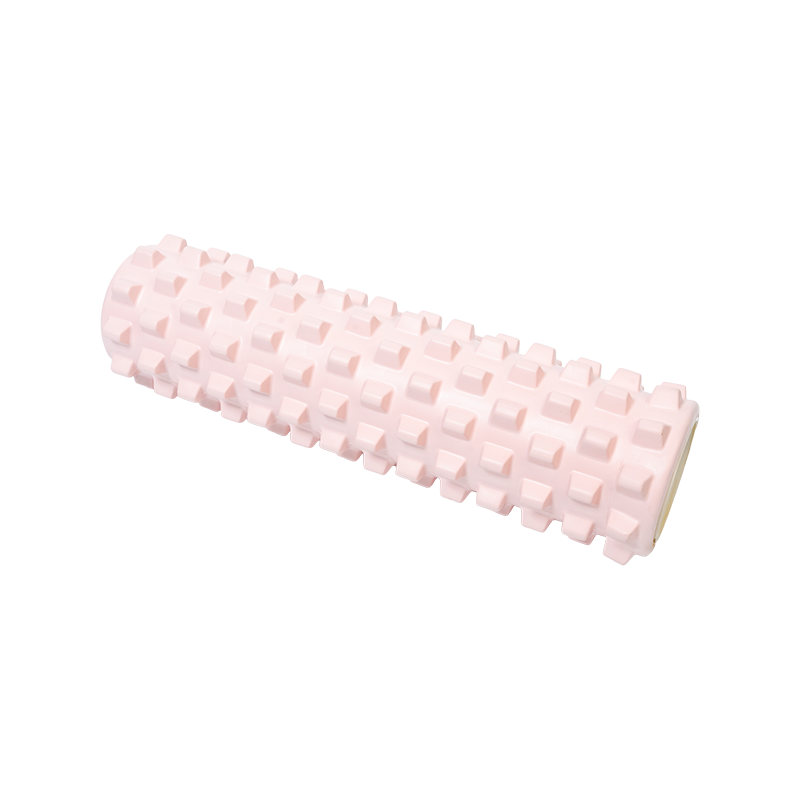
Muscle roller sticks and foam rollers address the same underlying tissue problem — restricted fascia and accumulated muscle tension — but via different mechanical approaches with different practical trade-offs.
| Factor | Muscle Roller Stick | Foam Roller |
|---|---|---|
| Pressure source | Manual arm force (fully controllable) | Bodyweight (less controllable) |
| Best muscle sites | Calves, hamstrings, quads, shins, arms | IT band, thoracic spine, glutes, lats |
| Portability | Excellent — fits in any bag | Poor — bulky, hard to transport |
| Upper body use | Easy (arms, forearms, shoulders) | Difficult or impossible for most users |
| Floor space required | None | Requires mat or open floor area |
| Depth of tissue penetration | Moderate (surface and mid-layer fascia) | Moderate to deep (bodyweight-dependent) |
The practical conclusion for most athletes: foam rollers excel at large posterior chain work (thoracic spine, IT band, gluteal complex) where bodyweight loading is an advantage, while roller sticks are superior for targeted lower leg work, upper body, and any situation requiring portability. Using both tools in a complementary rotation provides broader coverage than either alone.
Muscle Roller Stick vs Massage Gun
Percussion massage guns have grown significantly in consumer adoption since 2018, and many athletes treat them as direct replacements for roller sticks. They deliver different stimulus types and occupy different niches in a recovery toolkit.
Mechanism: A massage gun delivers rapid percussive impacts at 1,200–3,200 RPM using a motorized reciprocating head. This vibration-dominant stimulus primarily targets neural desensitization (reducing perceived muscle tightness through sensory gating) and superficial circulation. A roller stick applies sustained compressive and shear force — a mechanical stimulus that more directly addresses fascial adhesion and tissue viscosity.
Depth of effect: Despite the intense sensation, percussion massage guns act primarily on superficial tissue layers. The rapid-fire impact frequency prevents prolonged tissue deformation — the defining mechanism of myofascial release. Roller sticks, applied slowly and with sustained pressure, produce greater viscoelastic deformation in the fascia itself.
Cost: Quality massage guns retail from $80 to $600. Quality roller sticks retail from $15 to $50. For athletes on a budget or those new to self-massage, a roller stick delivers evidence-supported recovery benefits at a fraction of the cost.
Best use cases by tool: Massage guns are most effective for acute neural reset (reducing pre-competition jitteriness, desensitizing an acutely sore spot before an event) and for post-exercise activation work. Roller sticks are more effective for sustained myofascial work, pre-workout range of motion preparation, and travel recovery. Many elite athletes and physiotherapists use both — the gun for quick neural work, the stick for methodical fascial maintenance.
Roller Stick Recovery for Athletes
For athletes in high-load training blocks — distance runners logging 70+ miles per week, cyclists in stage racing, or team sport players in congested fixture schedules — muscle roller stick recovery becomes a daily maintenance practice rather than an occasional intervention.
The priority muscle groups for systematic rolling recovery vary by sport. Distance runners should prioritize calves, tibialis anterior (shins), hamstrings, and iliotibial band adjacents (lateral quadriceps and hip flexors). Cyclists concentrate on quadriceps, hamstrings, and hip flexors due to the sustained hip-flexed, knee-extended load pattern. Team sport athletes add upper hamstrings and gluteal regions given the high volume of acceleration-deceleration loading.
A structured 7-minute post-training roller stick protocol covers the major lower body sites effectively: 60 seconds each on calves (both legs), hamstrings (both legs), quadriceps (both legs), and tibialis anterior — totaling 7 sites at 60 seconds per side. This is compact enough to fit into a cool-down routine without extending training session length significantly.
Hydration amplifies the effect. Fascial tissue is approximately 70% water, and dehydrated fascia demonstrates significantly reduced extensibility. Performing roller stick sessions in a well-hydrated state — and drinking 400–600 ml of water within 30 minutes of completing a recovery rolling session — supports the rehydration of treated tissue layers.
Best Muscle Roller Stick for Runners
Runners have specific requirements that differ from general fitness users: frequent lower leg work, high mileage tissue demands, and the need for a tool that can be used at races, during travel, and at track sessions. The best roller stick for running applications shares several key characteristics.
Roller density: Medium-firm rollers (neither too soft nor rigid solid plastic) provide the best balance of comfort and tissue penetration for repeated daily use. Overly soft rollers deform under pressure and reduce the shear force that makes rolling effective; fully rigid solid-core rollers can be uncomfortably intense on acutely sore post-run tissue. Independently spinning rollers — which rotate freely on the shaft rather than as a single fixed piece — produce a more authentic massage-like sensation and reduce the friction drag that causes skin irritation during sustained sessions.
Length: A 45–50 cm (18-inch) roller stick covers the full length of the hamstring and quadriceps in a single stroke — important for runners who need efficient sessions. Shorter sticks (30 cm / 12 inches) are more portable but require repositioning to cover the same muscle length.
Handle grip: Handles should provide secure grip when hands are sweaty post-run. Rubberized or textured grip handles outperform smooth plastic handles in this regard. Some models include contoured handles that allow the user to apply greater downward pressure without hand fatigue during longer sessions.
Durability: Runners using a roller stick daily subject it to more cycle exposure than occasional users. A reinforced center shaft (fiberglass or rigid nylon composite rather than hollow plastic) resists flex and eventual cracking under repeated loading. Check that the roller bearings or bushings are rated for sustained rotational use — cheap models seize up within weeks of daily use.
How to Choose a Muscle Roller Stick
The muscle roller stick market ranges from $10 to $60, and price does not always correlate directly with performance quality. The following framework prioritizes the specifications that actually affect outcomes.
Step 1 — Match length to your primary target areas. If you primarily roll legs (standard for most athletes), a 45 cm stick covers full muscle length efficiently. If you also want to roll upper back, arms, or travel with the stick, a 35–40 cm model offers a better portability-coverage balance.
Step 2 — Choose roller texture based on sensitivity. Smooth-surface rollers provide uniform pressure distribution and are best for beginners, users with sensitive tissue, or pre-workout rolling. Knobbed or textured rollers apply more concentrated point pressure — better for experienced users seeking deeper myofascial work or targeting specific trigger points.
Step 3 — Verify roller independence. Squeeze the rollers in your hand and confirm they rotate independently of each other. Fixed-shaft designs where all rollers turn as one unit cannot conform to the contours of the muscle and generate more drag friction than independently spinning designs.
Step 4 — Assess handle ergonomics before purchase. If possible, grip the handles in-store with light downward pressure simulating a rolling motion. A handle that feels secure at moderate pressure may slip at the higher force levels required for effective calf and hamstring work. Handles with a slight inward curve or thumb rest significantly reduce hand fatigue in longer sessions.
Step 5 — Consider flexibility vs rigidity of the shaft. Flexible (segmented or slightly bendable) shafts allow the roller to follow the curve of rounded muscle groups like the calf — useful for runners doing high-volume lower leg work. Rigid shafts provide more consistent pressure for flat muscle surfaces like the quadriceps. Some premium models offer a slight engineered flex rather than full rigidity or full flexibility, balancing both use cases.