

 English
 日本語
 Español

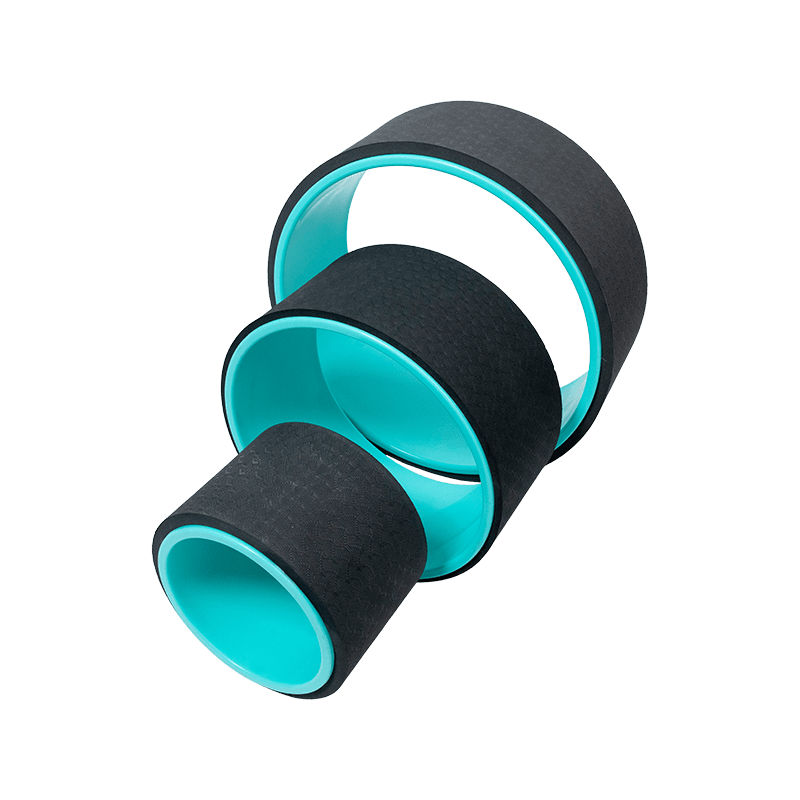
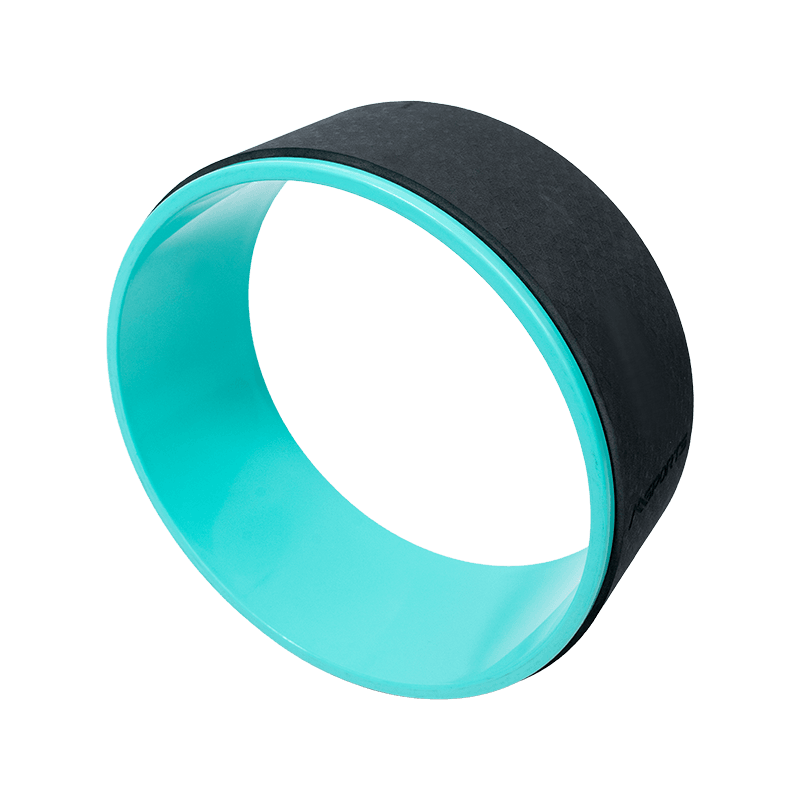
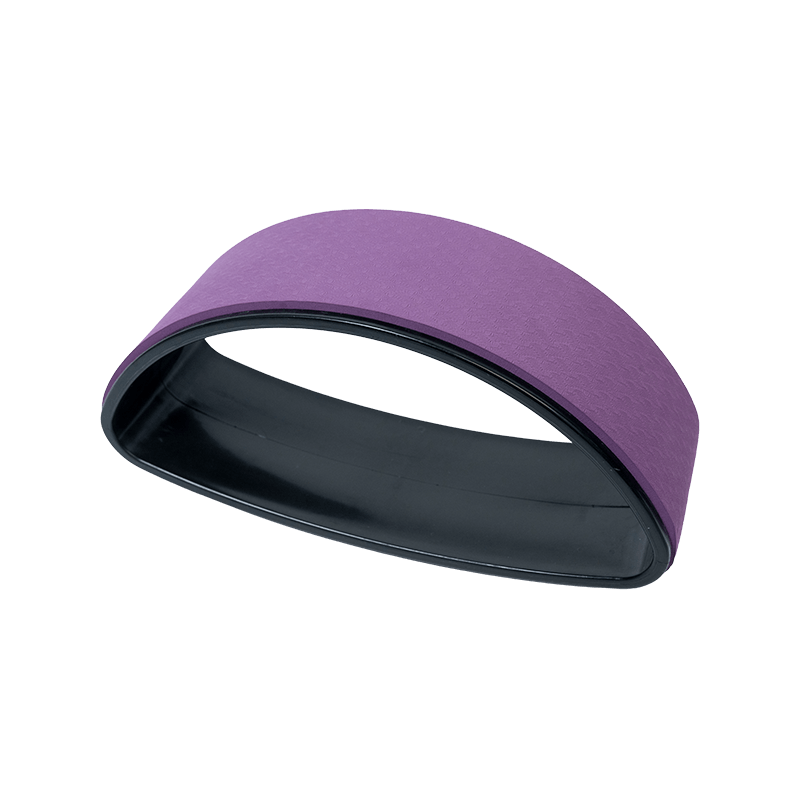
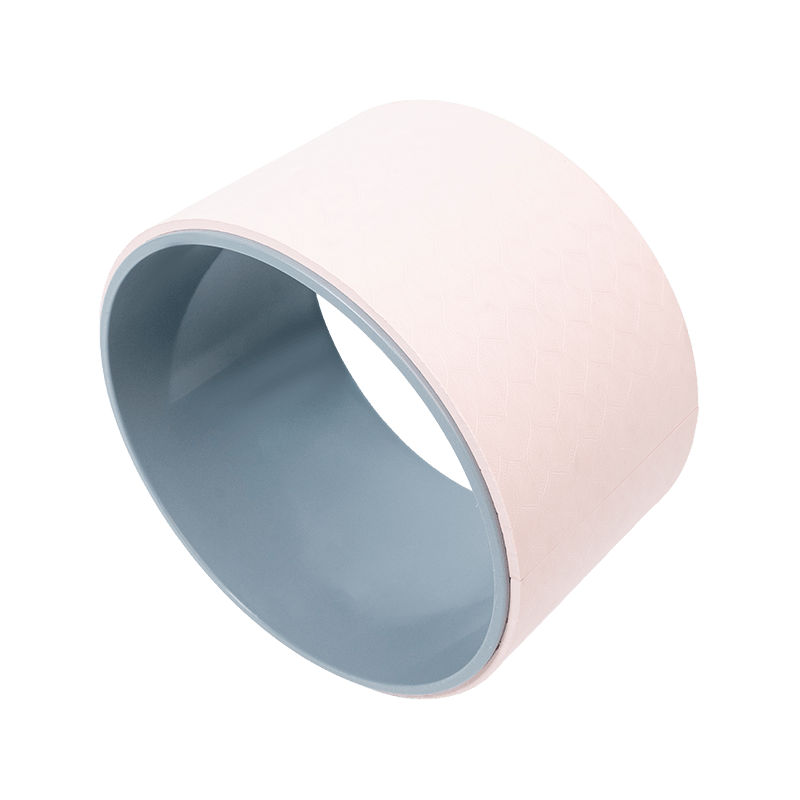
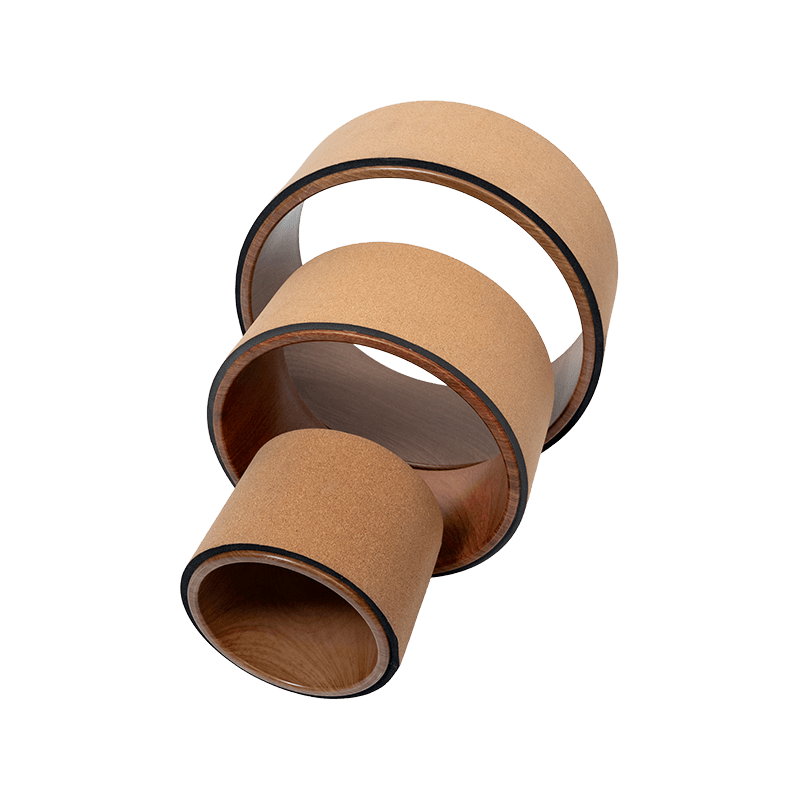
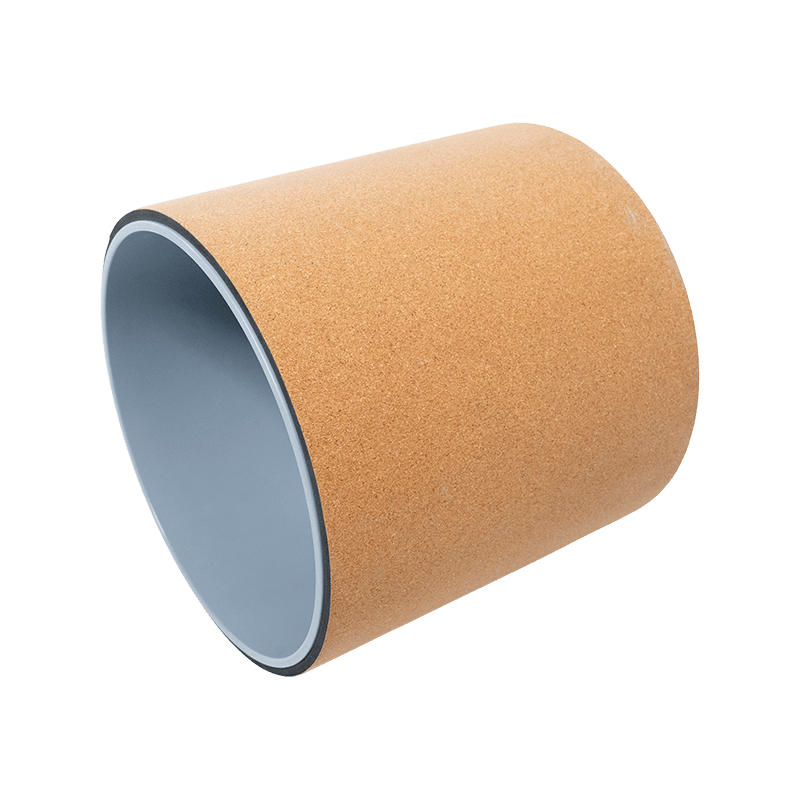
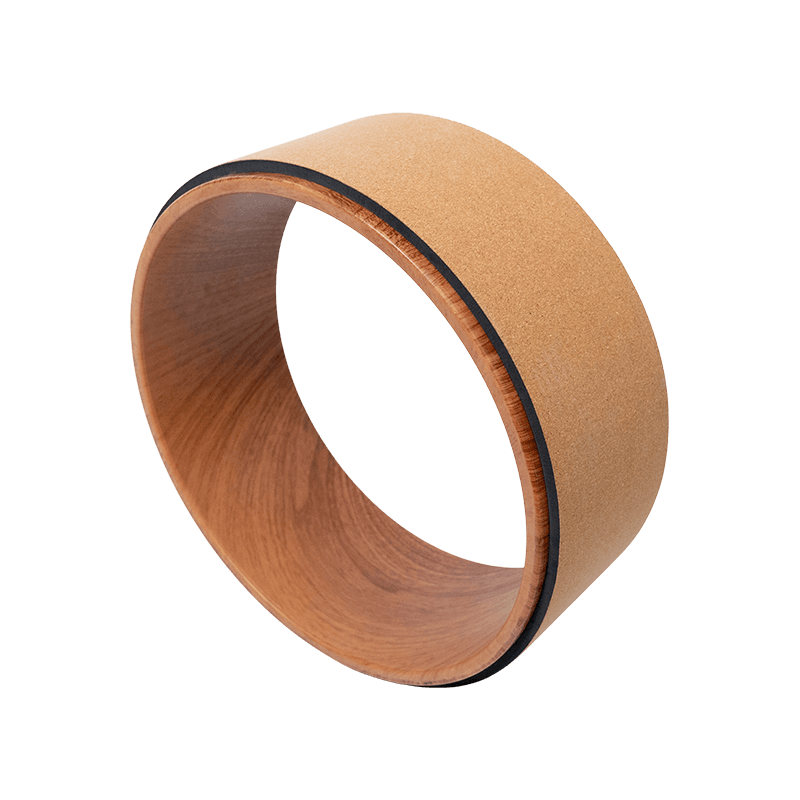
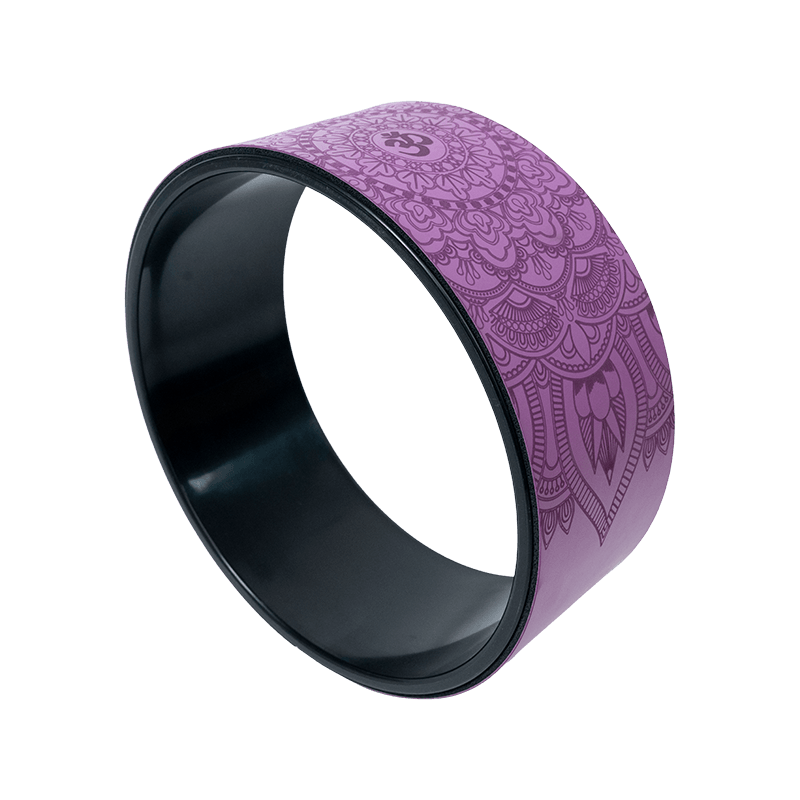
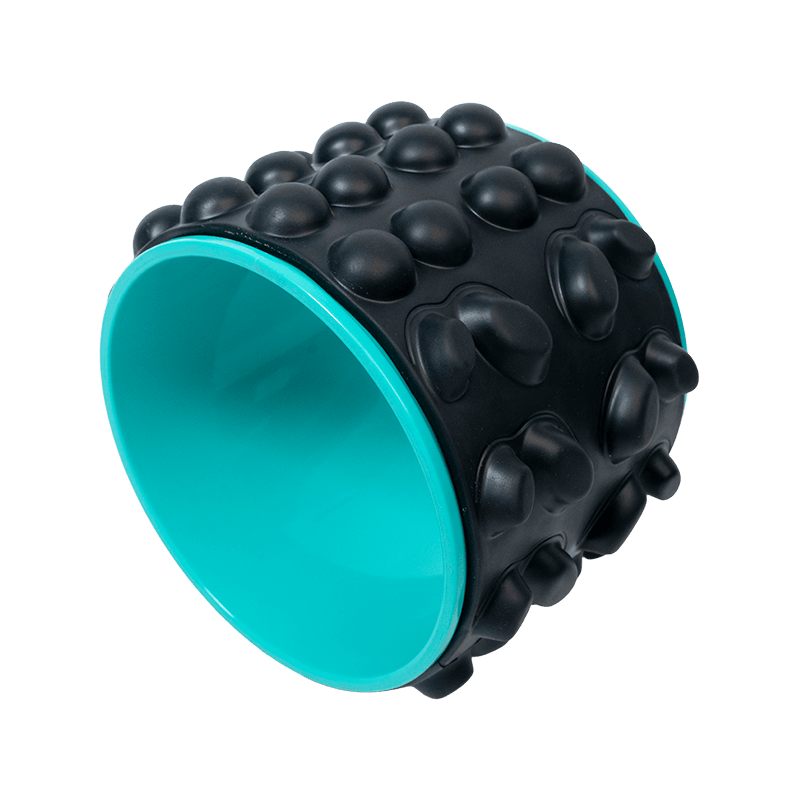
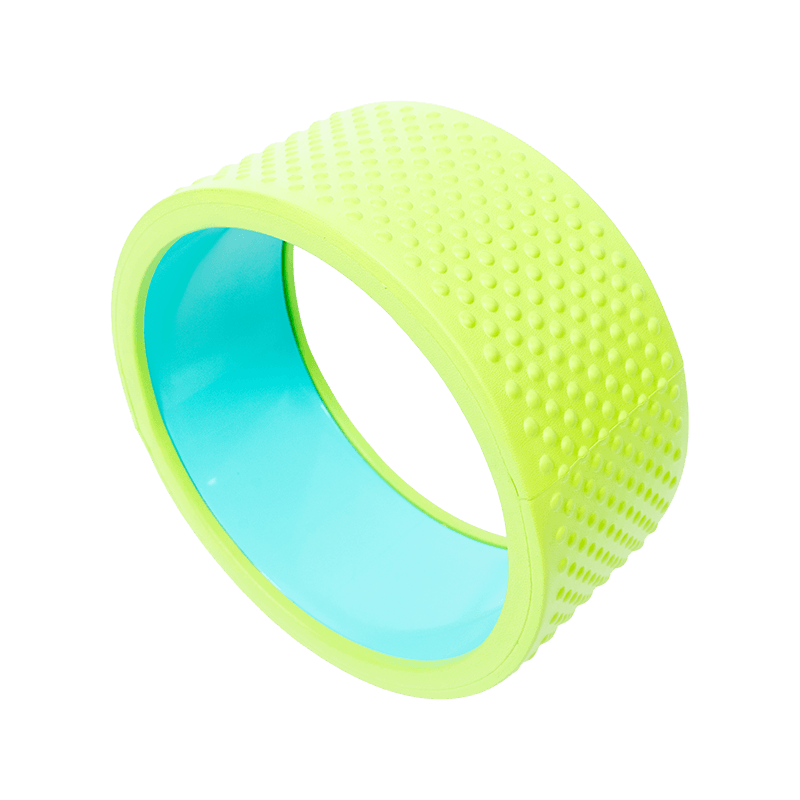
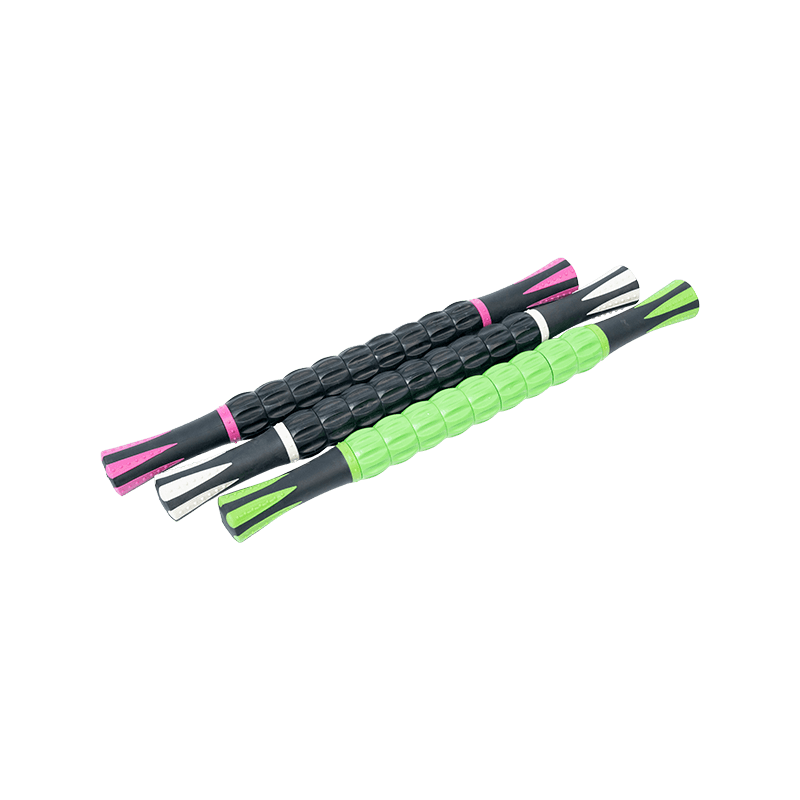
Backbend Yoga Wheels
Backbend yoga wheels are curved cylindrical devices that provide a stable, arched surface for spinal extension, chest opening, and deep stretching exercises. The wheel's geometry allows users to perform backbend postures with reduced lumbar compression while encouraging mobility in the thoracic and cervical regions. The rolling capability also introduces a proprioceptive element, requiring core engagement to maintain controlled movement during dynamic sequences.
Suzhou Apex Sports Goods Co., Ltd. specializes in the manufacturing of yoga wheels, massage rollers, and related fitness products. Established in June 2015, the company operates a manufacturing facility in Zhangjiagang, Jiangsu Province, with production processes covering molding, surface finishing, and quality inspection. In addition to standard catalog items, the company offers OEM and ODM services, including material selection, dimensional customization, logo application, and packaging design. Export markets include North America, Japan, South Korea, Germany, Vietnam, and other regions, with products supplied to commercial studios, fitness retailers, and corporate wellness programs.
Core Advantages
Structural Reinforcement
The inner core is constructed from impact-modified composite materials that maintain circular integrity under sustained body weight. This structural design supports both static holds and dynamic rolling sequences without deformation during standard usage.
Surface Traction
The outer layer features a textured finish that provides grip on various floor surfaces and enhances tactile contact for hands and feet. The surface pattern is engineered to balance traction with comfortable skin contact during extended sessions.
Customization Options
Suzhou Apex supports private-label manufacturing with services including logo printing (screen or pad print), color matching to client specifications, custom packaging designs, and dimensional adjustments. Technical consultation is available during the product development phase.
Production Consistency
Manufacturing processes incorporate stage-wise inspections covering raw material verification, in-process dimensional checks, and final product audits. The facility maintains documentation for traceability and quality records.
Product Specifications
| Parameter | Details |
| Outer Layer Material | TPE (Thermoplastic Elastomer) or natural cork |
| Inner Core Material | Reinforced ABS or PC composite |
| Available Diameters | Multiple diameter options available for different body types and use cases |
| Standard Width | Width configured to provide stable contact surface for spinal support |
| Unit Weight | Varies by material composition and core thickness |
| Load Capacity | Engineered to support typical adult body weights during standard exercise protocols |
| Surface Finish | Textured anti-slip pattern |
| Color Options | Multiple standard colors; custom colors available for bulk orders |
| Packaging | Individual carton box or poly bag; custom packaging available |
Product Characteristics
Spinal Support Geometry
The wheel's curved profile is designed to match the natural arc of the thoracic spine, distributing contact pressure across multiple vertebral levels during backbend exercises. This geometry allows for progressive extension as users roll the wheel along the spinal column, with the width of the wheel providing a stable contact surface that accommodates various body types.
Material Properties
TPE outer layers offer a balance of resilience and surface compliance, with closed-cell construction that resists moisture absorption. Cork options provide a firmer texture with natural grip characteristics and lower thermal conductivity. Both materials are compatible with standard cleaning procedures using mild soap solutions and damp cloths.
Dynamic Response
The wheel's rolling behavior is determined by its surface texture and core rigidity. The combination provides controlled movement on standard studio flooring, with sufficient resistance to prevent uncontrolled sliding during exercises. The wheel maintains its circular form under repeated loading cycles typical of regular fitness use.
Environmental Resistance
Materials are selected to withstand typical indoor fitness environments. TPE formulations include stabilizers to resist degradation from light exposure, while cork surfaces receive sealant treatment to limit moisture penetration. Storage recommendations include keeping the wheel away from direct sunlight and heat sources.
Application Environments
- Yoga and Movement Studios: Used in class sequences for backbend preparation, chest opening, and restorative postures. Suitable for both instructor-led sessions and individual practice.
- Pilates Training: Applied for spinal articulation drills, core stabilization exercises, and flexibility development programs.
- Physical Therapy and Rehabilitation: Incorporated into protocols for thoracic mobility improvement, shoulder girdle stretching, and postural alignment work under professional supervision.
- Fitness Centers: Utilized in warm-up and cool-down routines, as well as in functional training circuits for mobility enhancement.
- Home Fitness: Suitable for individuals maintaining regular flexibility and mobility routines in domestic settings.
Usage and Maintenance Guidelines
Pre-use inspection: Before each session, check the wheel surface for cracks, delamination, or other visible damage. Use the wheel on a stable, non-slippery surface. Begin with gentle rolling motions, gradually increasing range of motion as comfort allows. Avoid direct pressure on the cervical spine or excessive lumbar extension. Consult a qualified professional before using the wheel for therapeutic purposes or if you have pre-existing spinal conditions.
- Cleaning procedure: Wipe the surface with a soft, damp cloth and mild, non-abrasive soap after each use. Allow to air dry completely before storage. Do not submerge the wheel in water or use steam cleaning equipment.
- Storage conditions: Store in a cool, dry location away from direct sunlight, heat sources, and chemical solvents. Prolonged exposure to UV light may cause surface fading in colored products.
- Inspection frequency for commercial use: For studio or gym environments, inspect wheels weekly for flat spots, surface wear, or structural irregularities. Replace any unit showing signs of material compromise.
- Load considerations: Use the wheel within its designed load parameters. Avoid impact loading, such as dropping the wheel from height or striking it against hard objects.
Frequently Asked Questions
TPE offers a resilient, cushioned surface with good shock absorption, suitable for users who prefer a softer contact feel. Cork provides a firmer, more textured grip with natural anti-slip characteristics and lower thermal conductivity, which may be preferred in warmer environments or by users requiring maximum traction. Both options are available through standard product lines and can be specified at the time of order.
The wheel performs on hardwood, vinyl, laminated floors, and low-pile carpet. On high-pile carpet or uneven surfaces, rolling stability may be reduced. Users should test the wheel on their specific flooring before performing dynamic or weight-bearing movements.
Suzhou Apex offers logo application through screen printing, pad printing, or debossing; color matching to client references; custom packaging solutions including cartons, poly bags, sleeve labels, and hang tags; and dimensional modifications such as diameter or width adjustments. Clients are encouraged to discuss their requirements with the sales engineering team for feasibility and lead time assessments.
Quality control measures include incoming material verification, in-process dimensional inspections, finished product visual and functional checks, and surface adhesion testing for applied logos. The facility operates under documented quality procedures, and test reports can be provided for commercial orders upon request.
Yes. The wheel's cylindrical form and rigid core enable self-applied pressure to muscle groups along the back, glutes, and hamstrings. Rolling motions can be used for dynamic release of tension. For targeted trigger point work, users may combine the wheel with other support props. Therapeutic applications should be guided by an appropriate practitioner.
Lead times for standard catalog products are determined by current production capacity and order quantity. Custom orders involving new colors, packaging, or dimensional changes require additional tooling and sampling time. Clients are advised to contact the sales team with their specific requirements for accurate delivery scheduling.