

 English
 日本語
日本語 Español
Foam Rolling Before or After a Workout: What the Research Says
Foam rolling is effective both before and after exercise — but it serves different physiological purposes at each stage, and using it at the wrong time can undermine your training goals. The short answer is this: roll before your workout to prepare tissue and improve range of motion, and roll after to accelerate recovery. The nuance lies in understanding what foam rolling actually does to the body and how that interacts with what your muscles need at each point in a session.
Foam rolling — technically classified as self-myofascial release (SMR) — applies compressive force to soft tissue, targeting the fascia that surrounds muscle fibers. This pressure stimulates mechanoreceptors and the autogenic inhibition reflex, temporarily reducing muscle spindle activity and promoting relaxation in the targeted tissue. The result is a transient increase in tissue extensibility and a reduction in perceived stiffness, effects that peak within minutes and begin to dissipate after roughly 10 to 20 minutes.
A 2015 review published in the International Journal of Sports Physical Therapy found that pre-exercise foam rolling improved range of motion without the force output reduction associated with static stretching — a meaningful distinction for athletes who need both mobility and strength in the same session.
Should You Foam Roll Before or After Stretching?
Foam roll before you stretch. This sequencing is supported by both biomechanical logic and practical outcomes. Foam rolling softens the tissue and reduces neuromuscular tension first, creating a more receptive environment for the elongation that stretching then delivers. When you stretch a muscle that is still dense or guarded, the tissue resists, limiting the depth of the stretch and increasing the risk of micro-tears under aggressive loading.
The recommended protocol for a pre-workout mobility routine looks like this:
- Light cardio warm-up (5 minutes) — elevates core temperature and increases blood flow to peripheral tissue, making fascial structures more pliable.
- Foam rolling (5–10 minutes) — targets the muscle groups you will load in the session, using slow passes of 30–60 seconds per area with pauses on tender spots.
- Dynamic stretching (5–10 minutes) — uses controlled movement through a full range of motion (leg swings, hip circles, thoracic rotations) to activate motor patterns and prime joints.
Static stretching — holding a position for 30 seconds or longer — is generally better placed after the workout or in a standalone flexibility session, not immediately before high-intensity exercise. Multiple studies have demonstrated that prolonged static stretching before strength or power activity temporarily reduces force production by up to 8%, a deficit that foam rolling does not appear to cause.
Post-workout, the sequence can be inverted or simplified: light static stretching of worked muscles, followed by foam rolling to assist the cool-down and begin the recovery process. At this stage, order matters less because performance output is no longer the goal.
Pre-Workout Foam Rolling: Benefits and Technique
When used before exercise, foam rolling delivers several well-documented benefits:
- Increased joint range of motion — particularly relevant for the hip flexors, thoracic spine, and ankle dorsiflexion, areas commonly restricted in people who sit for extended periods during the day.
- Reduced perceived muscle stiffness — improving subjective readiness and movement confidence, which affects technique quality in compound lifts.
- Neuromuscular activation — rolling over a muscle and then loading it appears to improve motor unit recruitment compared to loading without prior SMR.
- Injury risk reduction — by improving tissue quality and movement mechanics before loading, though this is difficult to quantify in controlled studies and remains a subject of ongoing research.
Pre-workout rolling should be kept relatively brief — 30 to 60 seconds per muscle group, focusing on areas that feel restricted or that will be heavily recruited. Spending 20 minutes rolling before training is counterproductive: it extends warm-up time unnecessarily and allows the tissue relaxation effects to dissipate before the session begins.
Post-Workout Foam Rolling: Recovery and Soreness
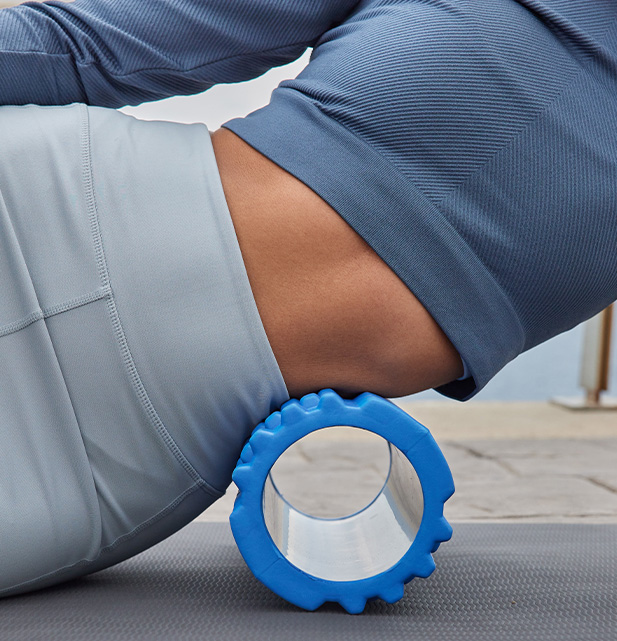
Rolling after a workout addresses a different set of needs. Intense exercise generates metabolic byproducts, causes localized inflammation, and creates micro-damage in muscle fibers — all of which contribute to delayed onset muscle soreness (DOMS) in the 24 to 72 hours following a session. Post-workout foam rolling does not prevent this process, but research indicates it can reduce its severity and duration.
A 2014 study in the Journal of Athletic Training found that 20 minutes of foam rolling immediately post-exercise and again 24 and 48 hours later significantly reduced DOMS and attenuated decrements in sprint speed and force output compared to a non-rolling control group. The proposed mechanism involves improved circulation to the worked tissue, facilitating faster clearance of inflammatory mediators and waste products.
Post-workout rolling can be longer and more thorough than pre-workout rolling. Spending 10 to 20 minutes systematically working through the muscles you trained is appropriate, and the slower, more sustained pressure commonly used in recovery contexts (holding on trigger points for 60–90 seconds) is particularly effective at this stage.
How Often Should You Foam Roll?
For most people, foam rolling 3 to 5 times per week produces meaningful results. Daily rolling is safe and beneficial for those with significant tissue restrictions, high training volumes, or sedentary occupations that create chronic tightness. The key variable is intensity and duration — brief, moderate-pressure rolling can be performed daily without recovery concerns, while aggressive, high-pressure sessions targeting deep tissue need more recovery time between applications.
The following frequency guidelines apply to different contexts:
| Goal / Context | Recommended Frequency | Session Duration |
|---|---|---|
| General maintenance / flexibility | 3–4 times per week | 10–15 minutes |
| Pre-workout warm-up | Every training session | 5–10 minutes |
| Post-workout recovery | Every training session | 10–20 minutes |
| Chronic tightness / desk workers | Daily | 10–20 minutes |
| High training volume (athletes) | Daily, split AM/PM | 10–15 minutes per session |
Rolling too infrequently — once a week or less — produces limited cumulative benefit. Tissue adaptations from SMR appear to require consistent stimulus, with studies tracking improvements in flexibility and perceived soreness noting that meaningful changes emerge over 4 to 8 weeks of regular practice. Sporadic rolling provides temporary relief but does not address underlying tissue quality in a lasting way.
There is no strong evidence that foam rolling can be overdone at moderate pressure, but applying aggressive force to the same area daily — especially over bony prominences, joints, or recently injured tissue — increases bruising risk and can aggravate inflammation rather than resolve it.
Common Foam Rolling Mistakes That Reduce Effectiveness
Understanding when and how often to foam roll matters less if technique is poor. These are the most common errors that limit results:
- Rolling too fast: Rapid passes over the muscle provide minimal stimulus to the fascia. Slow, deliberate strokes of 2–3 seconds per inch allow pressure to penetrate deeper tissue layers.
- Avoiding tender spots: Many people instinctively roll away from painful areas. Pausing on a tender point for 20–30 seconds and breathing through the discomfort until the sensation reduces is precisely where much of the benefit occurs.
- Rolling the lower back directly: The lumbar spine is not an appropriate foam rolling target. The erector muscles in this region are better addressed via hip flexor and thoracic spine rolling, which indirectly reduces lumbar tension.
- Neglecting adjacent muscle groups: Tightness in one area is often a symptom of restriction elsewhere. Tight hamstrings frequently correlate with restricted hip flexors; rolling only the symptomatic area misses the root cause.
- Skipping the cool-down roll entirely: Post-workout rolling is consistently underused despite having the strongest evidence base for reducing soreness and improving next-session performance.