

 English
 日本語
日本語 Español
What Is Self Myofascial Release?
Myofascial release is a soft tissue therapy technique that targets the fascia — the dense connective tissue that surrounds and interpenetrates muscles, bones, nerves, and organs throughout the body. When fascia becomes restricted through overuse, injury, prolonged sitting, or dehydration, it creates tension that limits movement and contributes to pain. Self myofascial release (SMR) applies sustained pressure to these restricted areas to restore normal tissue mobility.
The foam roller is the most widely used tool for SMR because it's accessible, inexpensive, and versatile enough to address most major muscle groups. By supporting body weight on the roller and moving slowly across a target area, you apply compressive force that stimulates mechanoreceptors in the tissue — sensors that signal the nervous system to reduce local muscle tone. This neurological response, combined with the mechanical effect of pressure on the tissue, is what makes foam rolling effective for releasing tightness and improving range of motion.
SMR is distinct from static stretching. Stretching elongates muscle fibers longitudinally; myofascial release addresses the quality and mobility of the surrounding connective tissue. For restricted tissue, foam rolling is often more effective as a preparatory step before stretching — loosening the fascia first allows the subsequent stretch to reach the muscle more effectively.
Foam Roller for Muscle Spasms and Knots
Muscle knots — clinically referred to as myofascial trigger points — are hyperirritable spots within a taut band of muscle fiber. They develop in response to overload, repetitive strain, poor posture, or sustained static positions. A trigger point doesn't just cause local pain; it often generates referred pain patterns that appear in seemingly unrelated areas. Tight hip flexors, for example, frequently contribute to lower back discomfort through referred tension rather than direct structural contact.
Foam rolling addresses trigger points through a technique called ischemic compression — applying sustained pressure to a knot until the tissue releases. The protocol differs from general rolling: instead of continuous movement across the muscle, you locate the tender spot, hold pressure on it for 20 to 40 seconds, and wait for the sensation to diminish before moving on. Most people describe an initial intense pressure that gradually softens to a dull ache and then dissipates — that progression indicates the trigger point is releasing.
Muscle spasms respond somewhat differently. A spasm is an involuntary sustained contraction of muscle fibers, often triggered by fatigue, electrolyte imbalance, or acute strain. Foam rolling a muscle in active spasm requires caution — aggressive pressure on a spasming muscle can increase protective contraction rather than release it. Gentle, slow rolling with reduced body weight is more appropriate in acute phases; deeper work is better reserved for the subacute stage when the initial protective response has settled.
Self Myofascial Release Exercises by Region
Effective SMR targets the areas where fascial restriction most commonly develops — the posterior chain, hip complex, thoracic spine, and lower leg. The following exercises cover the highest-priority regions for most people, particularly those with desk-based lifestyles or regular training loads.
Thoracic Spine
Place the roller perpendicular to your spine at mid-back level, arms crossed over your chest or hands behind your head. Support some weight through your feet and slowly extend over the roller, pausing at each thoracic segment for a breath or two before moving one roller-width up the spine. Do not roll the lumbar spine — the lack of facet joint orientation in the lower back makes extension over a roller potentially compressive rather than mobilizing. Work only from the base of the shoulder blades to the upper back.
Quadriceps and Hip Flexors
Lie face down with the roller positioned under one thigh just above the knee. Support weight on forearms and slowly roll from just above the knee to just below the hip crease, pausing on any tender areas. To access the hip flexors more specifically, rotate the leg slightly outward and angle toward the front of the hip. Spending time at the proximal quad and hip flexor attachment is particularly valuable for runners and people who sit for extended periods.
IT Band and Lateral Hip
Lie on your side with the roller under the lateral thigh. Stack the feet or place the top foot on the floor for load adjustment. Roll slowly from just above the knee to the lateral hip, pausing on tender spots. The IT band itself is a dense fibrous structure with limited capacity to change length — the release effect comes primarily from addressing the tissue interface between the IT band and the underlying vastus lateralis, and from the tensor fasciae latae (TFL) at the hip. Spending extra time at the lateral hip and TFL is often more productive than extended rolling of the mid-thigh IT band.
Calves and Soleus
Sit with the roller under one calf, hands supporting weight behind you. Cross the opposite ankle over the working leg to increase pressure. Roll slowly from just above the Achilles tendon to just below the back of the knee. To isolate the deeper soleus, flex the knee slightly — this unloads the gastrocnemius and allows pressure to reach the underlying layer. Calf rolling is particularly effective before lower-body training and for individuals with plantar fasciitis, where restricted calf tissue contributes to plantar load.
Lats and Posterior Shoulder
Lie on your side with the arm extended overhead and the roller positioned in the armpit area. Roll slowly along the lateral edge of the back from the armpit toward the lower ribs, pausing on any adhesions. This region is frequently restricted in overhead athletes, swimmers, and people who perform a lot of pulling movements — and the lat's connection to the thoracolumbar fascia means restrictions here can contribute to lower back tension as well.
Best Foam Roller Exercises for Mobility
Foam rolling improves mobility most effectively when it's followed immediately by active movement through the newly released range. The window of reduced tone after SMR is roughly 5 to 10 minutes — using that window with targeted mobility work produces more lasting results than rolling alone.
A practical mobility sequence built around foam rolling:
- Roll the thoracic spine → follow with thoracic rotation and extension stretches — cat-cow, thread-the-needle, or seated rotation
- Roll the hip flexors and quads → follow with 90/90 hip stretch or kneeling hip flexor stretch — the rolled tissue accepts the lengthening more readily
- Roll the glutes and piriformis → follow with figure-four or pigeon pose — external rotation range typically increases immediately after SMR in the posterior hip
- Roll the calves → follow with ankle dorsiflexion drills — knee-to-wall tests frequently show measurable improvement within the same session
Spend 60 to 90 seconds per region during a pre-training SMR session, focusing on tender areas rather than mechanically covering the entire muscle. For recovery sessions or dedicated mobility work, 2 to 3 minutes per area allows more thorough tissue work. Daily foam rolling is appropriate for most people — the technique is low-risk when applied with controlled pressure and correct positioning.
Choosing the Right Self Myofascial Release Roller
Foam rollers vary in density, surface texture, and diameter, and these differences affect both the intensity of the release and which tissues are targeted most effectively.
Density is the most important variable. Soft rollers (white or light-colored EVA foam) are appropriate for beginners, people with significant tissue sensitivity, or post-injury work where aggressive pressure would be counterproductive. Medium-density rollers (black EVA or polypropylene) are the standard for general training and recovery. High-density and rigid plastic rollers deliver the deepest pressure and are best suited for athletes with high tissue tolerance who need to address dense restrictions.
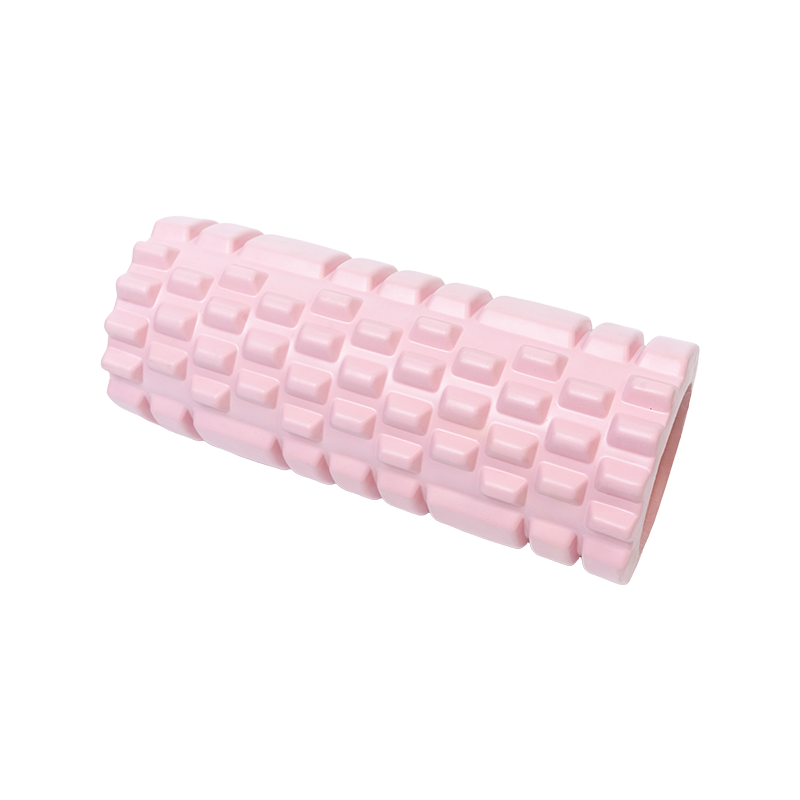
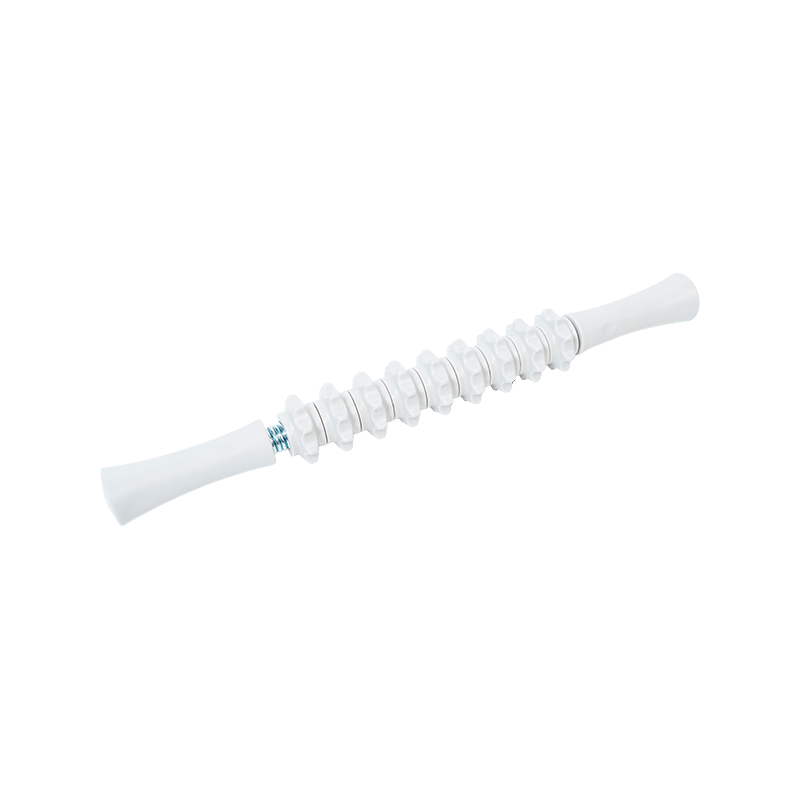
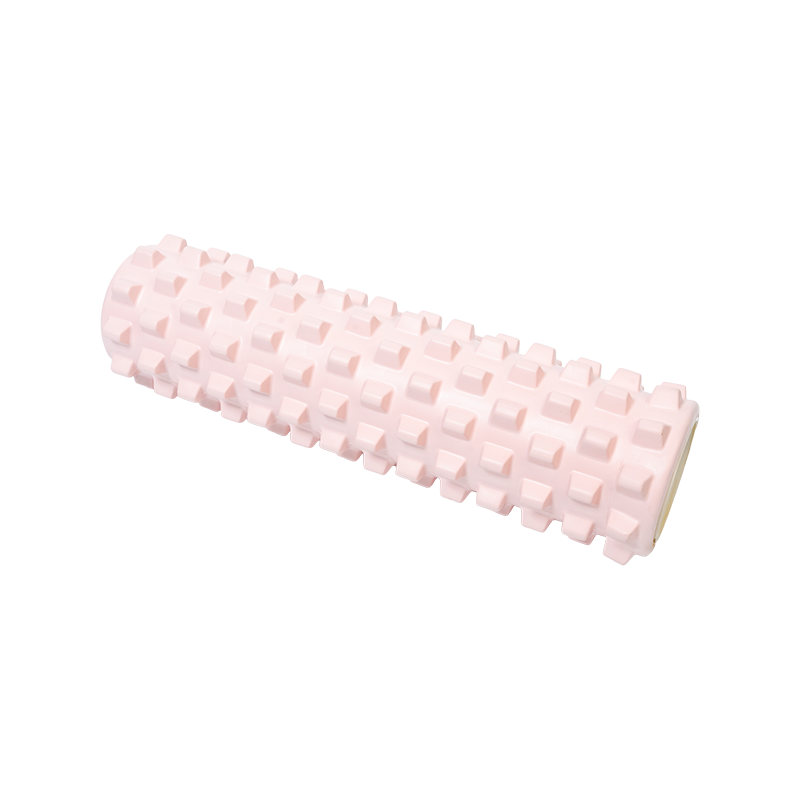
Surface texture affects specificity. Smooth rollers distribute pressure evenly and are the most versatile option. Textured rollers with ridges, knobs, or grid patterns increase localized pressure and are more effective for targeting trigger points — the raised surfaces concentrate force on smaller tissue areas. Vibrating rollers add a neurological component by stimulating mechanoreceptors more broadly, which some users find enhances the release effect and reduces the discomfort of working through tight tissue.
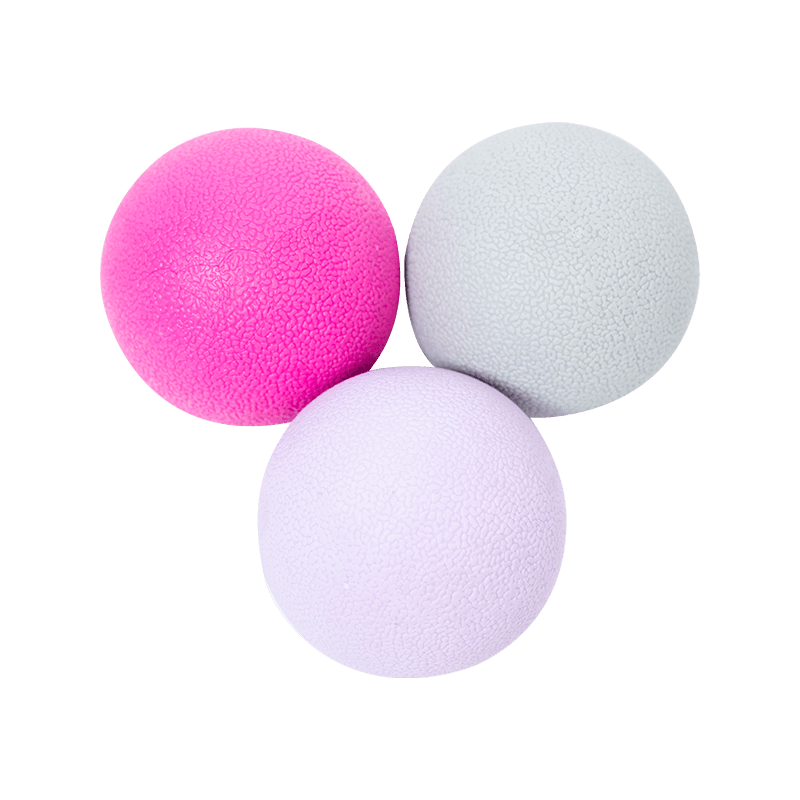
Diameter determines how targeted the pressure is. Standard 6-inch diameter rollers are the most common and work well for large muscle groups. Shorter, smaller-diameter rollers and massage balls (lacrosse balls, rubber therapy balls) allow more precise targeting of smaller areas — the foot, the glute-piriformis complex, the subscapularis, and the suboccipital muscles at the base of the skull. A complete self myofascial release toolkit typically includes a standard roller for large areas and a firm ball for precise trigger point work.