

 English
 日本語
日本語 Español
What Is Myofascial Release and Why Does It Matter?
Fascia is a continuous web of connective tissue that envelops every muscle, bone, nerve, and organ in the body. Under normal conditions it is pliable and fluid, allowing muscles to glide smoothly against one another during movement. But sustained postures, repetitive loading, training stress, dehydration, and injury cause fascia to tighten, thicken, and adhere — restricting movement, altering muscle mechanics, and contributing to the formation of trigger points, the localised areas of heightened sensitivity commonly known as muscle knots.
Myofascial release is a broad category of manual and self-applied techniques designed to reduce this tension, restore tissue mobility, and desensitise trigger points. Traditionally performed by physical therapists and massage practitioners using sustained manual pressure, myofascial release has become widely accessible through self myofascial release (SMR) — a category of at-home techniques performed by the individual using tools such as foam rollers, massage balls, and sticks.
Of all SMR tools, the foam roller is the most versatile, widely researched, and cost-effective. Understanding how to use it correctly — and what the evidence says about recommended training variables — makes the difference between a vague wellness habit and a targeted, effective recovery and mobility practice.
Foam Rolling for Fascia: What Actually Happens in the Tissue
The mechanisms by which foam rolling produces its effects are still an active area of research, but several explanations have strong support in the scientific literature.
Mechanical Effects on Fascia
Sustained compressive and shear forces applied through foam rolling create mechanical stress in the fascia and underlying muscle tissue. This pressure temporarily deforms the ground substance — the hydrated gel matrix within fascia — increasing its fluidity and reducing interstitial adhesions between fascial layers. Foam rolling for fascia release is most effective when applied with moderate, sustained pressure rather than rapid, high-force rolling, as the viscoelastic properties of fascial tissue respond better to sustained load than to fast mechanical stimulation.
Neurological Effects
A significant portion of foam rolling's effects on flexibility and pain are mediated through the nervous system rather than through direct structural changes in the tissue. Sustained pressure on a trigger point activates mechanoreceptors and stimulates the autonomic nervous system, reducing sympathetic tone in the local area and promoting a parasympathetic relaxation response. This is the likely mechanism behind the perceived softening of a muscle knot during sustained foam roller pressure — the muscle's neurological drive to maintain tension decreases, reducing the tautness of the taut band.
Circulatory and Hydration Effects
Foam rolling increases local blood and lymphatic circulation in treated areas. The compression-release cycle created by rolling acts similarly to manual effleurage in massage, pushing metabolic waste products out of the tissue and drawing fresh, oxygenated blood into the area. This circulatory effect supports tissue recovery after training and may contribute to the reduction in delayed onset muscle soreness (DOMS) observed in multiple foam rolling studies.
How to Foam Roll: Technique Fundamentals
Effective self massage with a foam roller is not simply a matter of lying on the roller and moving back and forth. Technique determines whether you are applying useful therapeutic stimulus or simply going through the motions.
Basic Rolling Technique
Position the foam roller under the target muscle group and use your body weight to apply pressure. Begin by slowly rolling along the length of the muscle — a few centimetres per second — scanning for areas of increased tension or sensitivity. When you locate a sensitive spot, pause and hold position for 20 to 60 seconds rather than rolling through it. This sustained hold is the key technique distinction between effective myofascial release and simple massage rolling, and it is the approach most consistent with the evidence on trigger point therapy.
Pressure Modulation
The pressure applied during foam rolling should be at a level the practitioner can describe as "uncomfortable but tolerable" — typically a 4 to 7 out of 10 on a pain scale. Pressure that is too light produces little neurological or mechanical stimulus. Pressure that is painful beyond tolerance causes the surrounding musculature to guard and contract, working against the relaxation response you are trying to achieve. Adjust body weight on the roller — by resting more weight on surrounding limbs — to find the correct intensity for each tissue and each session.
Breathing During Foam Rolling
Slow, diaphragmatic breathing during foam rolling is not incidental — it actively promotes the parasympathetic response that facilitates tissue release. Inhale slowly through the nose for 4 counts, exhale fully through the mouth for 6 to 8 counts. On each exhale, consciously allow the body to sink further into the roller. Most practitioners find that noticeable release occurs within 3 to 5 slow breath cycles of sustained hold on a tender area.
What Are the Recommended Training Variables for Self Myofascial Rolling?
Research into self myofascial release has produced increasingly specific guidance on the optimal training variables — duration, frequency, pressure, and timing — for different outcomes. The following recommendations represent the current consensus from the peer-reviewed literature.
Duration Per Site
Studies consistently show that a minimum of 30 to 60 seconds of sustained pressure per site is needed to produce measurable changes in range of motion and trigger point sensitivity. Shorter durations (10–15 seconds) show minimal effect. For notably restricted or tender areas, durations of 60 to 90 seconds per site produce better outcomes. Total foam rolling sessions of 5 to 10 minutes per muscle group (across multiple sites) are supported for flexibility and recovery goals.
Frequency
For flexibility and range of motion improvements, research supports foam rolling at least 3 to 5 sessions per week. Daily rolling of key restricted areas is appropriate and does not appear to cause tissue damage when performed at moderate pressure. For post-exercise recovery, foam rolling immediately after training and again 24 hours later produces the most consistent reductions in DOMS.
Pressure and Rolling Speed
Slow rolling (approximately 1 to 3 cm per second) and sustained holds are more effective than rapid back-and-forth rolling for myofascial release goals. Higher pressure (within tolerance) produces greater range of motion gains than lower pressure, but the relationship is not linear — pressure beyond the point of muscular guarding is counterproductive.
Timing Relative to Training
Pre-exercise foam rolling improves range of motion acutely without the strength reduction associated with static stretching, making it a preferable warm-up strategy for athletes concerned about performance. Post-exercise foam rolling supports recovery and reduces next-day soreness. The flexibility benefits of foam rolling are acute — they persist for approximately 10 to 30 minutes after rolling — making it most effective when immediately followed by stretching or functional movement to consolidate the gained range.
| Variable | Recommended Range | Goal |
|---|---|---|
| Hold duration per site | 30–90 seconds | Trigger point release, ROM |
| Rolling speed | 1–3 cm/sec | Tissue scanning and release |
| Pressure intensity | 4–7 / 10 (tolerable discomfort) | All goals |
| Session frequency | 3–7 days/week | Flexibility, recovery |
| Session duration | 5–20 minutes total | Recovery, full-body mobility |
| Pre vs post training | Both; follow with movement | Warm-up, DOMS reduction |
Foam Roller Trigger Point Exercises: Body Region Guide
The following trigger point foam roller exercises address the most commonly restricted and symptomatic areas. For each region, the setup position, rolling direction, and hold technique are described.
Thoracic Spine and Upper Back
Place the foam roller horizontally across the mid-back, hands supporting the head with elbows wide. Lift the hips slightly off the floor and slowly roll from the base of the shoulder blades to the base of the neck — never rolling directly on the cervical spine or lumbar spine. When a tender segment is found, pause and allow gravity to gently extend over the roller for 30 to 60 seconds. This is one of the most immediately effective foam roller applications, producing rapid improvements in thoracic extension range of motion and relief from upper back muscle knots associated with desk posture.
Lats and Posterior Shoulder
Lie on your side with the roller positioned in the armpit region, arm extended overhead with thumb pointing upward. Roll slowly from the armpit to just below the last rib, covering the lateral border of the latissimus dorsi. Rotate the torso slightly forward and backward to access different fibres. Tight lats are a common contributor to shoulder impingement and limited overhead mobility — this position is highly effective for foam rolling muscle knots in this frequently overlooked region.
Quadriceps and Hip Flexors
Face down with the roller under one thigh, forearms on the floor supporting upper body weight. Roll from just above the knee to the anterior hip crease. For the hip flexors specifically, angle the body slightly to one side to address the rectus femoris and TFL fibres that run diagonally toward the anterior superior iliac spine. The quadriceps and hip flexors are primary targets for foam rolling for myofascial release in runners, cyclists, and anyone who sits for extended periods.
IT Band and Lateral Hip
Lie on your side with the roller positioned along the outer thigh, bottom forearm on the floor for support. Stack the feet or place the top foot on the floor in front for stability. Roll from just below the greater trochanter of the hip to just above the lateral knee. Note that the IT band itself is a dense fascial structure with very limited capacity to deform — the primary effect here is on the lateral quadriceps and TFL muscles that feed into it, and on the neurological sensitisation of the lateral hip region common in IT band syndrome.
Calves and Achilles Region
Sit with the roller under one calf, hands on the floor behind you to lift the hips. Cross the opposite ankle over the rolling leg to increase pressure. Roll from the base of the Achilles insertion to the back of the knee, rotating the leg inward and outward to cover the medial and lateral gastrocnemius heads. Pause on any tender points for 30 to 60 seconds. Calf foam rolling is particularly effective as a warm-up for running and as a recovery technique for reducing post-run DOMS.
Glutes and Piriformis
Sit on the foam roller with one ankle crossed over the opposite knee in a figure-four position. Lean toward the side of the crossed leg to direct pressure into the gluteus medius and piriformis. Roll slowly, then hold on any sensitive spot for 30 to 60 seconds. Piriformis trigger points are a common source of referred pain mimicking sciatica — this position is one of the most effective at-home myofascial release techniques for deep lateral hip and gluteal tightness.
Foam Rolling for Muscle Knots: How to Find and Release Trigger Points
Foam roller muscle knots — clinically referred to as myofascial trigger points — are hyperirritable nodules within taut bands of skeletal muscle. They are characterised by local tenderness, a predictable pattern of referred sensation, and a palpable firmness distinguishable from surrounding tissue. Effectively addressing trigger points with a foam roller requires a different approach from general rolling.
The process for foam roll trigger points follows a consistent protocol:
- Scan slowly: Roll at 1–2 cm per second through the target muscle, maintaining consistent pressure and paying attention to variations in tissue resistance and sensitivity.
- Identify the point: When a notably tender, firm, or referred-sensation-producing spot is found, stop rolling and hold position.
- Apply sustained compression: Hold steady pressure on the trigger point for 30 to 90 seconds. The initial intensity of discomfort should diminish noticeably within this window as the neurological tension in the area reduces.
- Add active movement: Once initial tenderness reduces, slowly move the distal limb (flex and extend the knee when rolling the quad, dorsiflex and plantarflex when rolling the calf) to introduce neurodynamic tensioning while maintaining pressure. This combined compression-and-movement technique enhances the release compared to static hold alone.
- Follow with stretch: After releasing a trigger point, immediately stretch the muscle through its full range. The temporary increase in extensibility created by the release provides an opportunity for genuine length change when combined with stretching — a principle that underpins combining stretching using a foam roller with direct release work in the same session.
Stretching Using a Foam Roller: Combining SMR with Flexibility Work
A foam roller is not only a release tool — it can also be used as a prop to support and deepen stretching, and the combination of foam roller self myofascial release followed immediately by targeted stretching is consistently more effective for improving range of motion than either approach used alone.
The SMR-Then-Stretch Protocol
The sequencing principle is straightforward: perform 30 to 60 seconds of foam rolling on the target muscle, then immediately move into a static or dynamic stretch for the same muscle. The neurological inhibition and temporary increase in tissue extensibility created by the foam rolling allows the subsequent stretch to achieve greater end-range than it would independently. Studies comparing SMR-only, stretch-only, and combined protocols consistently show the combined approach produces the largest acute gains in range of motion.
Using the Foam Roller as a Stretching Prop
The foam roller can also be used as a physical support to facilitate positions that would otherwise be difficult to sustain. Placed longitudinally along the spine, it supports thoracic extension stretches — allowing the shoulders to drop toward the floor with gravity over a sustained hold. Placed transversely under the thoracic spine during a supported backbend, it provides a fulcrum for opening the chest and anterior shoulders in a way that lying flat on the floor cannot replicate. These positions make the stretch using foam roller approach particularly valuable for addressing the thoracic stiffness common in desk workers and overhead athletes.
Choosing the Right Foam Roller for Myofascial Release
Foam rollers vary significantly in density, texture, diameter, and length. Selecting the right roller for your goals and body affects both the effectiveness and comfort of your practice.
- Density: Softer (white or low-density) rollers provide gentler pressure and are appropriate for beginners, individuals with high pain sensitivity, or those in acute recovery. Firmer (black or high-density) rollers provide greater compressive force and are more effective for deep tissue release in individuals accustomed to the technique. Medium-density rollers (blue, green) suit most general purposes.
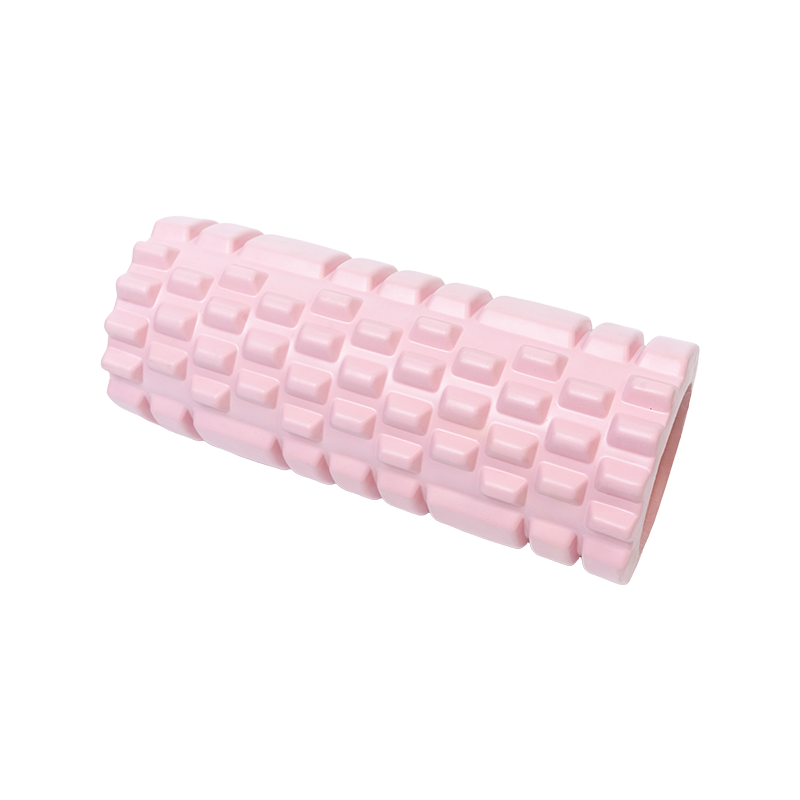
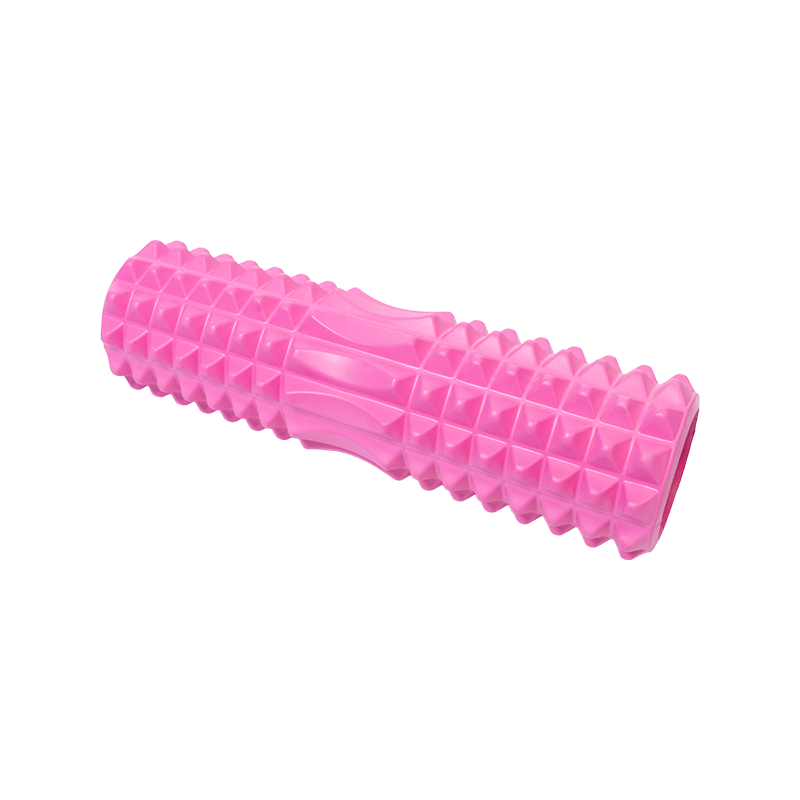
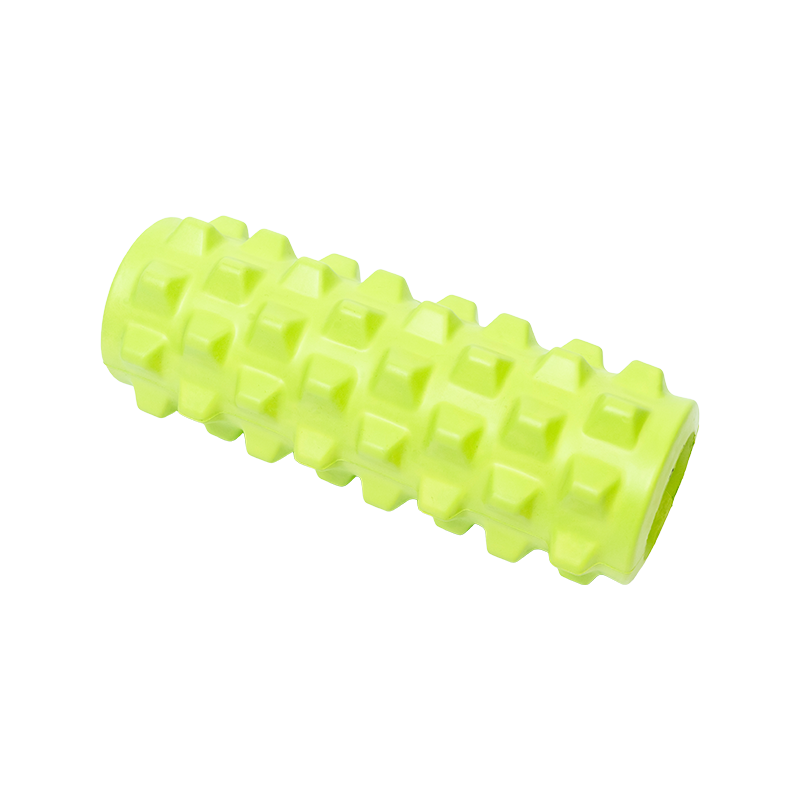
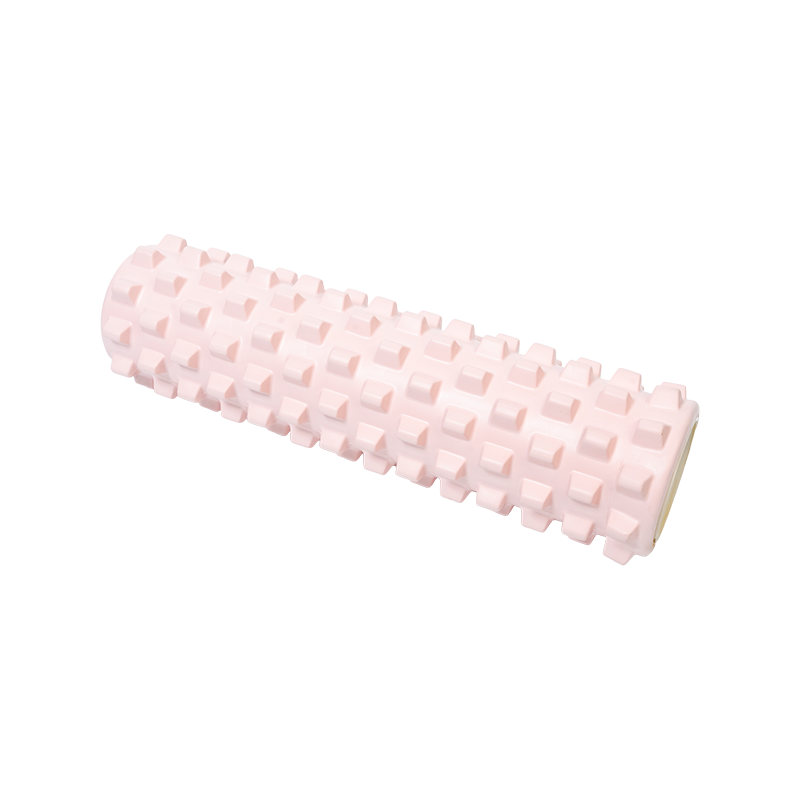
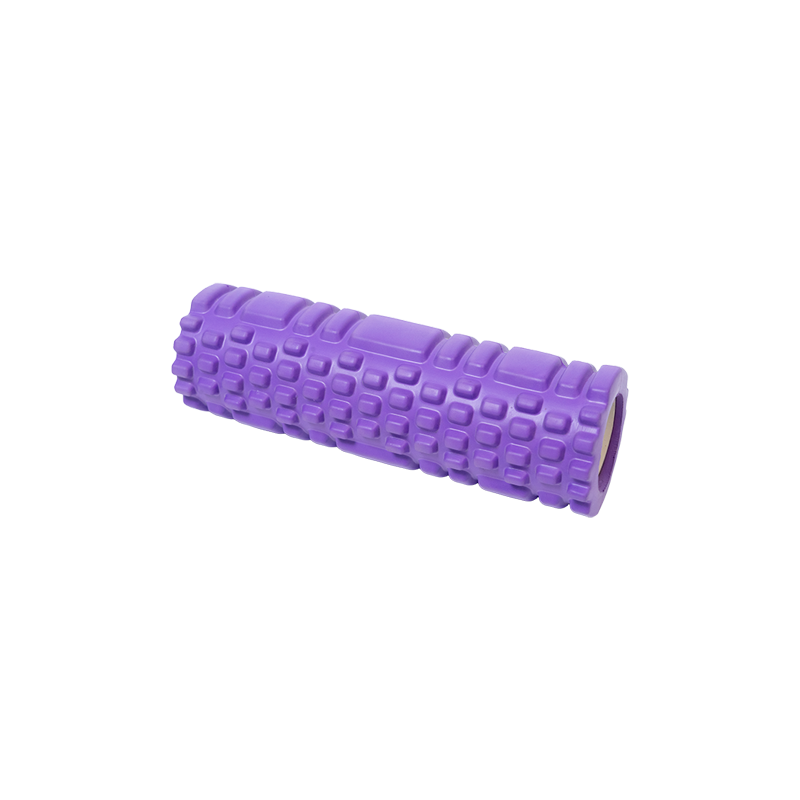
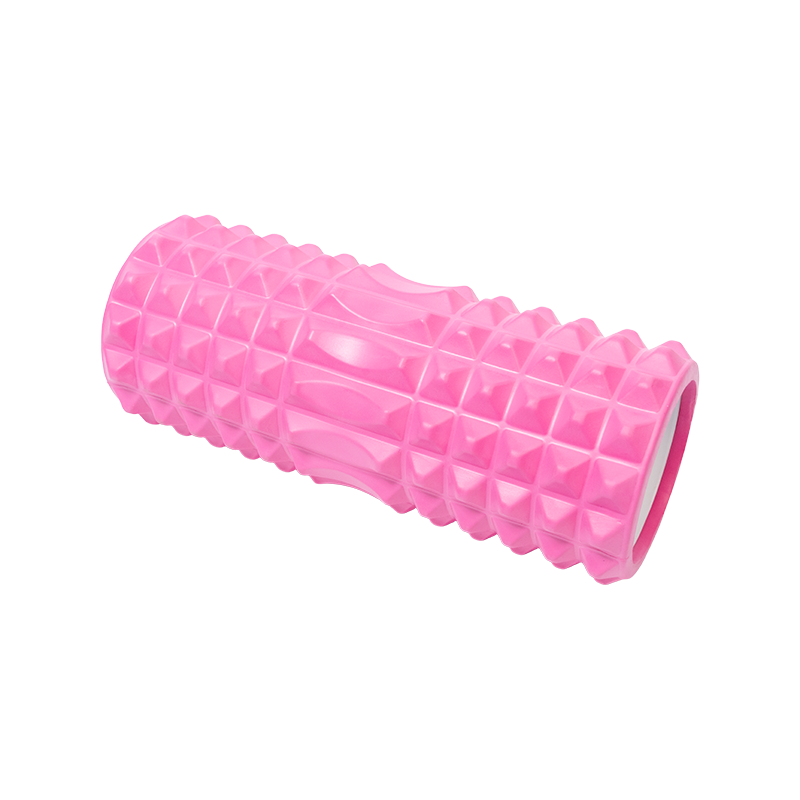
- Texture: Smooth-surface rollers apply even pressure across the contact area. Textured rollers (with ridges, knobs, or grid patterns) create varied pressure points that can more effectively target specific trigger points but may be too intense for sensitive areas or beginners.
- Diameter: Standard 15 cm (6 inch) diameter rollers are the most versatile and allow greatest control over pressure. Smaller-diameter rollers (10 cm) apply more focused pressure and are better for smaller muscle groups and reaching into recesses around the hips and shoulders.
- Length: Full-length rollers (90 cm / 36 inches) provide a stable platform for full-spine work. Half-length rollers (45 cm / 18 inches) are more portable and adequate for limb and targeted work.
- Vibrating rollers: Battery-powered vibrating foam rollers add mechanical vibration (typically 20–40 Hz) to the compressive stimulus. Research suggests vibration enhances the range of motion benefits of foam rolling and may improve recovery outcomes, though the added cost may not be justified for casual users.
Safety, Contraindications, and Common Mistakes
Foam rolling is safe for most individuals when performed correctly, but several important precautions apply.
Areas to Avoid
Never foam roll directly over the lumbar spine, cervical spine, joints, bony prominences, or areas of acute inflammation, open wounds, fractures, or varicose veins. The lower back in particular is a common misapplication — rolling the lumbar spine compresses the vertebral joints rather than releasing muscle tissue, and can aggravate disc and facet joint conditions. For lower back tension, target the glutes, hip flexors, and thoracic spine instead.
Medical Contraindications
Foam rolling should be avoided or performed only under professional guidance in the presence of deep vein thrombosis, peripheral neuropathy, osteoporosis, active infection or inflammation, skin conditions in the target area, or following recent surgery. Consult a physiotherapist or physician before beginning a foam rolling practice if any of these conditions are present.
Most Common Mistakes
- Rolling too fast: Rapid back-and-forth rolling provides a general massage sensation but is insufficient for trigger point release or meaningful fascial change. Slow down and hold.
- Using too much pressure too soon: Excessive pain causes muscular guarding that defeats the purpose of the technique. Build pressure gradually and reduce it if muscles are actively contracting against the roller.
- Holding breath: Breath-holding increases tension throughout the body. Maintain slow, rhythmic breathing throughout the session.
- Rolling the same spots repeatedly in one session: Once a trigger point has been addressed (30–90 seconds of sustained pressure), continuing to compress the same spot offers diminishing returns and can cause local tissue irritation. Move on and return in the next session.
- Skipping the stretch: Foam rolling without following through with movement or stretching misses the opportunity to consolidate the temporary increase in range created by the release. Always combine foam rollers for flexibility work with targeted movement in the same session.