

 English
 日本語
日本語 Español
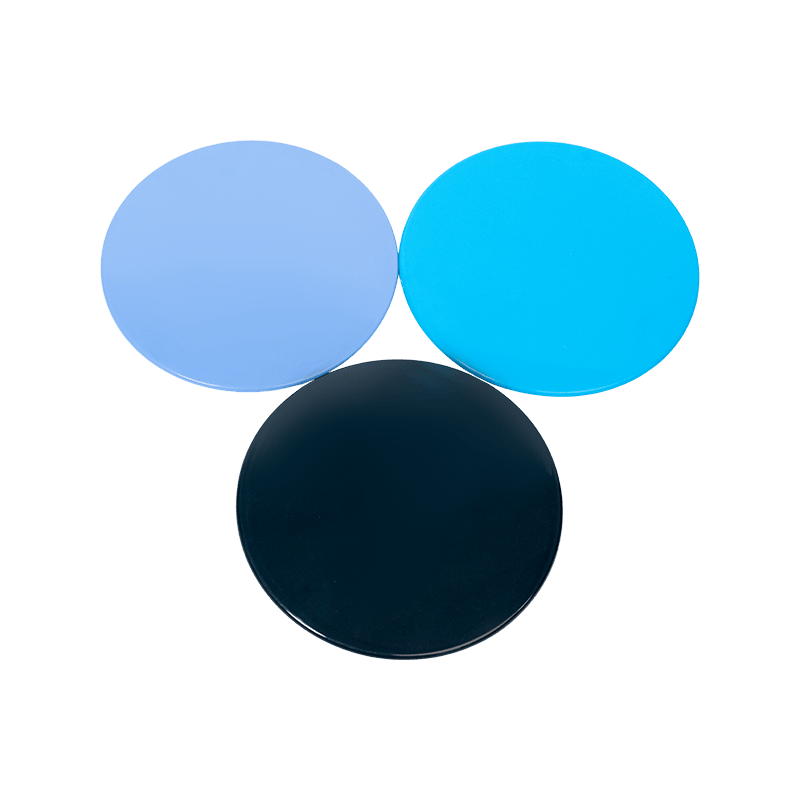
Core sliding discs are used by placing them under your hands or feet on a smooth surface, then performing controlled movements that engage your core, glutes, and stabilizer muscles. They are lightweight, portable, and suitable for all fitness levels. Whether you're a beginner or an advanced athlete, Exercise Gliding Discs can transform a basic floor routine into a full-body challenge with minimal equipment.
Most discs have a smooth plastic side for carpet and a fabric or felt side for hardwood or tile floors. Always choose the correct side for your surface to ensure smooth, controlled gliding.
What Are Core Sliding Discs and How Do They Work
A Fitness Core Slider is a small, flat disc—typically 7 to 9 inches in diameter—designed to reduce friction between your limbs and the floor. When you place your hands or feet on the discs and move, your muscles must work harder to control the motion, activating deep stabilizer muscles that traditional exercises often miss.
The instability created by the gliding surface forces your core to engage continuously throughout every movement. Studies on instability training show it can increase core muscle activation by up to 38% compared to stable surface exercises.
- Dual-sided design: plastic side for carpet, soft side for hard floors
- Lightweight and compact—fits in a gym bag or carry-on luggage
- Works on most smooth indoor surfaces
- Suitable for strength, flexibility, and rehabilitation training
Step-by-Step: How to Use Core Sliding Discs Correctly
Proper setup and technique are essential to getting results and avoiding injury. Follow these steps before every session:
- Choose the right surface: Hard floors (tile, hardwood, laminate) require the fabric side facing down. Carpet requires the plastic side facing down.
- Position the discs: Place one disc under each foot for lower-body exercises, or under each hand for upper-body and core moves.
- Start in a stable base position: Begin in a plank or standing position before initiating any movement.
- Move slowly and with control: Avoid rushing—the slower the movement, the higher the muscle activation.
- Keep your core braced: Tighten your abdominals throughout every rep as if preparing to take a hit.
- Return to start deliberately: Don't let momentum do the work. Pull or push back with muscle control.
Top Exercises to Do with Workout Slider Discs
These exercises cover the entire body and range from beginner-friendly to advanced. Each one targets specific muscle groups while demanding core stability throughout.
Core and Abdominal Exercises
- Mountain Climbers: Start in a high plank with discs under both feet. Drive one knee toward your chest, then alternate. Aim for 3 sets of 20 reps.
- Pike: From a plank with discs under feet, use your core to lift your hips upward into an inverted V. Lower slowly. This targets the upper abs and hip flexors intensely.
- Body Saw: In a forearm plank with discs under feet, slide your body backward and forward. Keeps constant tension on the core throughout.
- Knee Tucks: From a plank with both feet on discs, pull both knees toward your chest simultaneously, then extend back out.
Lower Body Exercises
- Sliding Reverse Lunge: Stand with one disc under one foot. Slide that foot backward into a lunge, then pull it back to standing. Works glutes, hamstrings, and quads.
- Lateral Lunge Slide: Place a disc under one foot and slide it out to the side as you lower into a side lunge. Returns with inner thigh activation.
- Hamstring Curl: Lie on your back with heels on discs, hips lifted. Slide heels toward glutes, then extend. Research shows this activates hamstrings at approximately 85% of maximum voluntary contraction.
- Skater Slide: Mimic a speed skater motion by sliding one foot out to the side and lowering into a single-leg squat. Great for hip abductors and lateral stability.
Upper Body Exercises
- Sliding Push-Up: Place discs under both hands. As you lower into a push-up, slide hands outward; press back up while pulling hands in. Targets chest and serratus anterior.
- Chest Fly: From a plank, slide one hand out to the side and back. Isolates the chest more effectively than a standard push-up.
- Tricep Slide: In a plank with discs under hands, slide both hands forward while bending elbows to lower your head toward the floor. Pull back to start.
Sample 20-Minute Workout Plan Using Sliding Discs
This full-body routine uses Workout Slider Discs and requires no other equipment. Perform each exercise for 40 seconds, rest for 20 seconds, then move to the next.
| Round | Exercise | Target Area | Duration |
| 1 | Mountain Climbers | Core, Shoulders | 40 sec |
| 2 | Sliding Reverse Lunge (Left) | Glutes, Quads | 40 sec |
| 3 | Sliding Reverse Lunge (Right) | Glutes, Quads | 40 sec |
| 4 | Pike | Core, Hamstrings | 40 sec |
| 5 | Hamstring Curl | Hamstrings, Glutes | 40 sec |
| 6 | Sliding Push-Up | Chest, Triceps | 40 sec |
| 7 | Lateral Lunge Slide | Inner Thigh, Glutes | 40 sec |
| 8 | Body Saw | Core, Shoulders | 40 sec |
Rest 60–90 seconds between full rounds. Complete 2–3 rounds depending on your fitness level.
Common Mistakes to Avoid When Using Gliding Discs
- Using the wrong side of the disc: Plastic side on carpet, fabric side on hard floors. Reversing this causes either too much friction or too little control.
- Moving too fast: Speed removes tension from the muscles. Slow, deliberate movement produces better results.
- Neglecting core engagement: Every exercise requires an active core, even lower-body moves. Failing to brace increases lower back strain.
- Skipping warm-up: Sliding exercises demand hip and shoulder mobility. Always warm up for at least 5 minutes before starting.
- Using discs on wet floors: This creates an unpredictable surface and injury risk. Always use on clean, dry floors.
- Overloading beginners: If new to slider training, start with 2 exercises per session and add more over 2–3 weeks.
Who Benefits Most from Using a Fitness Core Slider
Sliding discs are versatile enough to benefit a wide range of users, from beginners to professional athletes. Here's a breakdown:
| User Type | Primary Benefit | Recommended Use Frequency |
| Beginners | Build foundational core stability | 2–3 times per week |
| Home Gym Users | Full-body workout with no machines | 3–4 times per week |
| Athletes | Improve lateral agility and power | 2–4 times per week |
| Rehabilitation Patients | Low-impact joint-friendly strengthening | As advised by therapist |
| Travelers | Portable full-body training anywhere | As needed |
Tips for Progressing with Slider Disc Training
Once foundational exercises feel manageable, apply these progression strategies to keep challenging your body:
- Increase time under tension: Slow down the eccentric (sliding out) phase to 3–4 seconds per rep.
- Add pauses: Hold the extended position for 2–3 seconds before returning to start.
- Combine movements: Link a pike into a knee tuck in one fluid motion to increase complexity.
- Use single-limb variations: Perform hamstring curls or lunges with one disc to challenge unilateral balance.
- Increase volume gradually: Add one extra set per exercise every 1–2 weeks, staying within 3–5 sets per movement.
Frequently Asked Questions
Can I use core sliding discs on carpet?
Yes. Use the plastic side of the disc facing down on carpet for smooth gliding. The fabric side is for hard floors.
Are gliding discs good for beginners?
Yes. Start with 2–3 exercises like reverse lunges and mountain climbers, and focus on slow, controlled movement before adding more exercises.
How many days per week should I train with slider discs?
2–4 days per week is effective for most people, with at least one rest day between sessions to allow muscle recovery.
Do slider discs replace weights?
They complement weight training by targeting stabilizer muscles and improving functional strength. They are not a direct replacement for progressive resistance training.
Can I use paper plates instead of exercise gliding discs?
Paper plates work as a temporary substitute on hard floors, but they lack durability and consistent friction control. Dedicated discs offer better grip and longevity.
Are sliding discs safe for people with knee pain?
Many slider exercises are low-impact and joint-friendly. However, consult a physical therapist before starting if you have existing knee injuries or chronic pain.