

 English
 日本語
日本語 Español
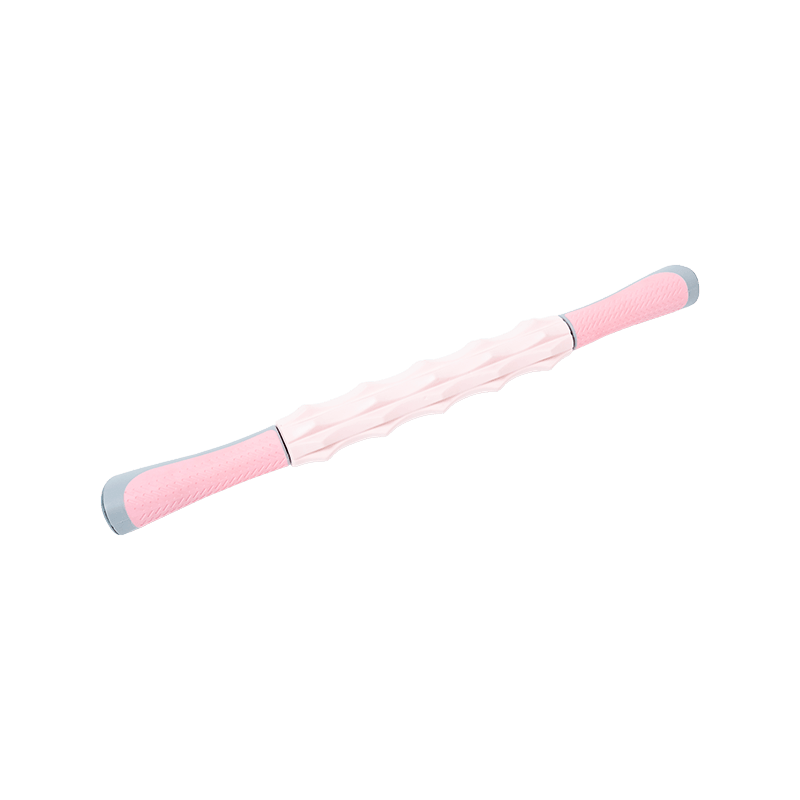
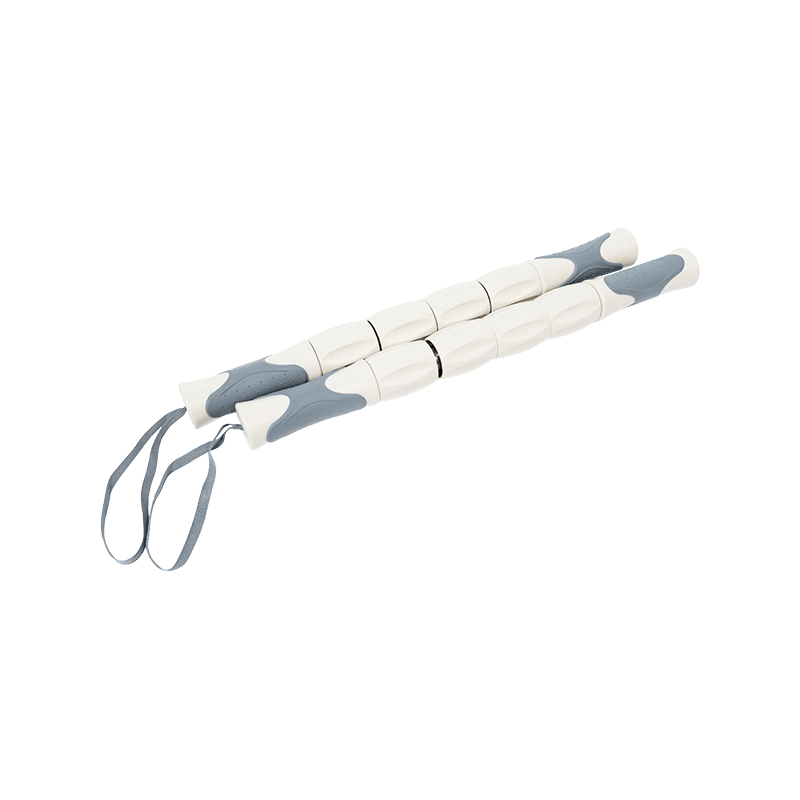
In the realm of athletic recovery and myofascial health, the Muscle Roller Massage Stick has emerged as a ubiquitous tool. For procurement specialists, fitness brands, and bulk buyers evaluating this category, understanding its biomechanical efficacy, material science, and application nuances is critical. This guide provides an engineer-level deep dive into the technology and utility of these devices, moving beyond surface-level benefits to examine the specific parameters that define quality and performance. We will explore how manufacturers, such as Suzhou Apex Sports Goods Co., Ltd.—a 3,000-square-meter facility established in 2015 in Zhangjiagang—approach the production of indoor fitness goods, ensuring that products meet the rigorous demands of international markets including North America, Japan, and Germany. Our analysis will focus on delivering the specific, in-depth information required for B2B decision-making.
Which Muscle Roller Massage Stick is Best for Runners?
For runners, the repetitive impact and concentric/eccentric loading of muscles like the gastrocnemius, soleus, quadriceps, and hamstrings necessitate a recovery tool that is both portable and capable of generating significant pressure. The optimal unit for this demographic is defined by specific engineering tolerances.
Key Features Runners Should Look For
When selecting a best muscle roller massage stick for runners, procurement must prioritize specifications that align with high-volume, post-run use. The device must efficiently target the kinetic chain of the lower body.
- Roller Texture and Density: Runners often require deep tissue stimulation. Sticks with ABS (Acrylonitrile Butadiene Styrene) rollers featuring convex points or ridges can penetrate the fascia surrounding large muscle groups. The density should be sufficient to avoid collapse under the weight of a quad or calf, typically requiring a Shore hardness rating on the higher end of the scale.
- Spindle Integrity: The core axle, often a reinforced steel rod, must have a high load-bearing capacity (tested to >100kg) to prevent bending during aggressive use on the posterior chain.
- Portability Metrics: Weight and form factor are critical. A unit should ideally weigh under 400g and have a compact design (e.g., 45cm in length) for easy insertion into a runner's kit bag.
Why Durability Matters for High-Intensity Use
Runners generate high torque and pressure. A stick intended for this market must undergo rigorous durability testing. Manufacturers like Suzhou Apex Sports Goods Co., Ltd. implement strict quality control (QC) protocols—from Incoming Quality Control (IQC) on raw materials like PP and ABS to Outgoing Quality Control (OQC)—to ensure that the massage sticks can withstand the repetitive, high-force demands of runners. This includes fatigue testing on the bearing mechanisms to ensure smooth rotation without seizing over time.
How to Use a Muscle Roller Massage Stick on Your Back Effectively?
Applying the Muscle Roller Massage Stick to the posterior chain, specifically the erector spinae and latissimus dorsi, requires an understanding of spinal biomechanics to avoid injury while maximizing myofascial release. This addresses the search intent behind how to use a muscle roller massage stick on back.
Step-by-Step Guide for Upper Back (Thoracic) Release
- Positioning: Stand with the stick held horizontally behind you. Grip the handles with palms facing posteriorly.
- Application: Bend at the knees slightly to provide a lifting motion. Roll the stick up and down the thoracic spine region, applying pressure to the muscles lateral to the vertebrae. The goal is to mobilize the soft tissue, not the vertebrae itself.
- Biomechanical Advantage: The long lever arm of the stick allows for significant mechanical advantage, enabling the user to apply substantial pressure to the paraspinal muscles without the shear forces associated with a foam roller.
Techniques for Lower Back (Lumbar) Caution and Care
Clinical guidance from sources like Asia University Hospital indicates that direct pressure on the lumbar spine (the area without rib support) can risk spinal subluxation [citation:3]. Therefore, the technique must adapt. Use the stick primarily on the quadratus lumborum and gluteal mass, avoiding direct contact with the spinous processes of the lumbar vertebrae. The pressure should be applied in a controlled, static compression rather than aggressive dynamic rolling over the bony prominences.
The Advantage of Curved vs. Straight Stick Designs for Back Access
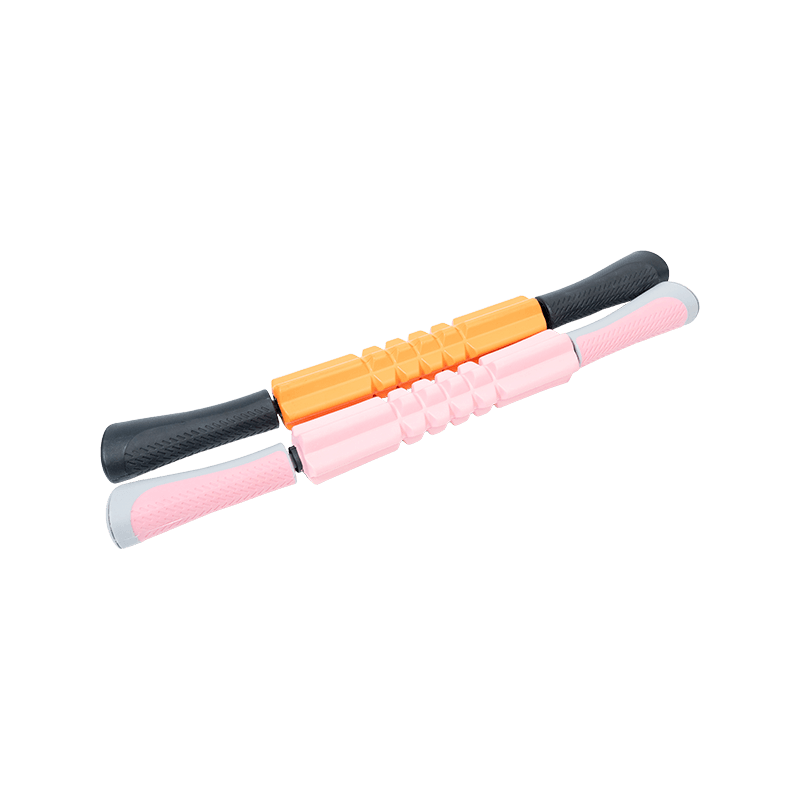
Ergonomics play a crucial role. An S-shaped or curved rod design, often developed through ODM (Original Design Manufacturing) services by factories like Suzhou Apex Sports Goods Co., Ltd., allows the handles to clear the torso, enabling the rollers to maintain better contact with the rhomboids and trapezius. This design innovation, born from specific client requirements, transforms a simple tool into a highly effective instrument for hard-to-reach areas.
Muscle Roller Massage Stick vs. Foam Roller: Which One Do You Need?
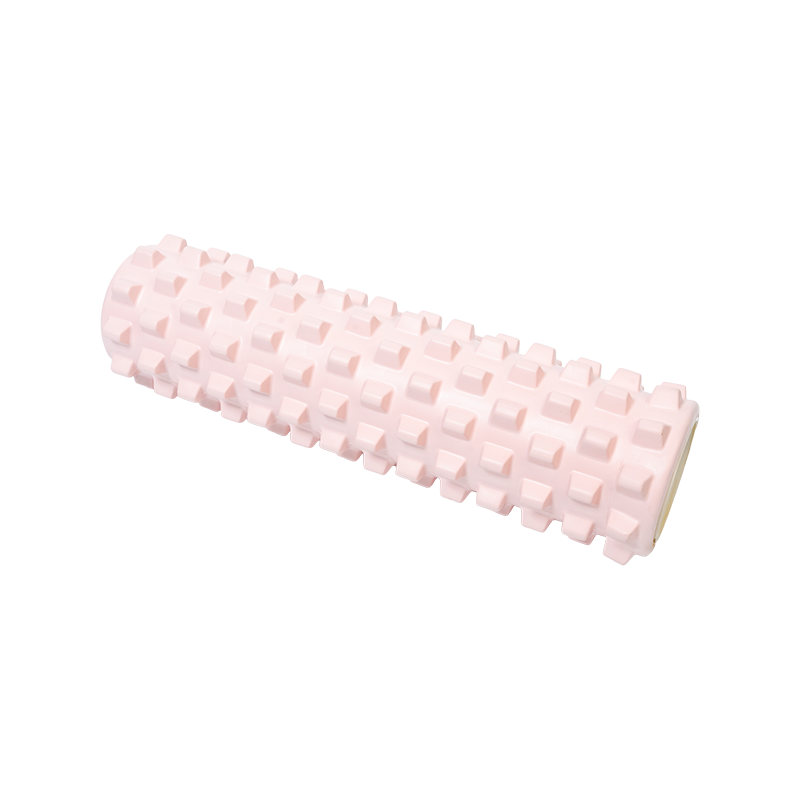
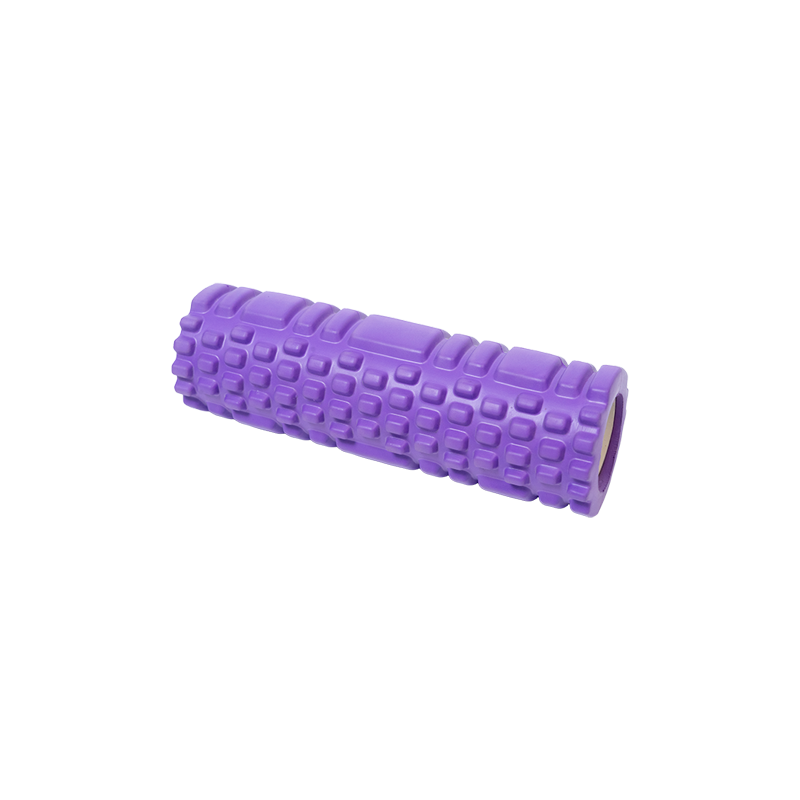
The debate of muscle roller massage stick vs foam roller is settled by examining the physics of pressure application and the physiological response. A 2017 study published in the Journal of Sport Rehabilitation reviewed evidence indicating that roller massagers (sticks) have strong support for increasing hamstring flexibility, while foam roller data showed limited statistical significance in some contexts [citation:2][citation:8].
| Feature | Muscle Roller Massage Stick | Foam Roller |
|---|---|---|
| Pressure Mechanics | User-applied force via lever arms; high pressure on a focused area (Pascal's principle). | Bodyweight-driven; pressure distributed across a larger surface area. |
| Target Specificity | Excellent for pinpointing trigger points in forearms, shins, and along the IT band. | Ideal for broad strokes on large groups like the entire quadriceps or back. |
| Portability | High. Typically <50cm, fits in a duffel. | Low. Often >30cm in length/diameter and rigid. |
| Vertebral Column Safety | Safer for self-administered back massage as it avoids hyperextension. | Can cause hyperextension or direct pressure on vertebrae if used improperly. |
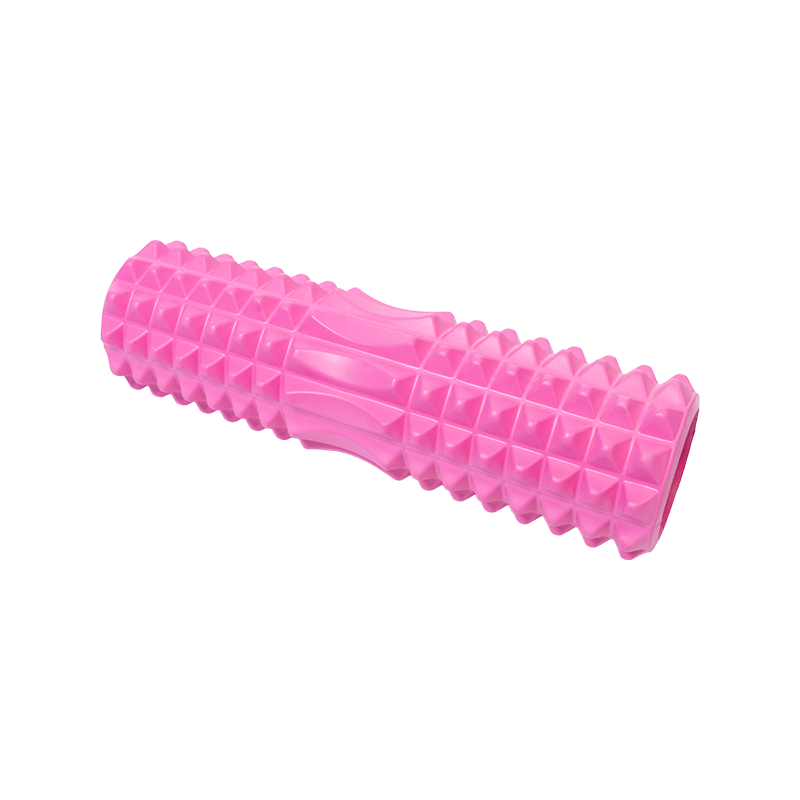
The choice depends on the portfolio of tools. A comprehensive recovery line, such as that offered by Suzhou Apex Sports Goods Co., Ltd., includes both sticks for precision work and foam rollers, yoga wheels, and fascia balls for broader applications, allowing the end-user to select the correct tool for the specific tissue state.
Can a Muscle Roller Massage Stick Help with Plantar Fasciitis?
Plantar fasciopathy involves micro-tears and degeneration in the plantar fascia. The query muscle roller massage stick for plantar fasciitis is clinically valid. Patents describe devices specifically designed to provide squeezing pressure to the foot's multiple surfaces [citation:10].
How Rolling the Arch Provides Relief
Applying pressure to the plantar fascia via a rolling stick induces mechanical strain that can disrupt fibrotic adhesions and stimulate mechanotransduction, promoting fibroblast activity and remodeling. The process also induces temporary hyperemia (increased blood flow) to the hypovascular tissue, aiding in metabolite clearance [citation:4].
Recommended Textures: Smooth vs. Firm Nodules for Foot Sensitivity
The texture selection is critical. For the plantar surface, which has a high density of mechanoreceptors, the choice is binary:
- Smooth Rollers: Best for acute, sensitive cases. Provides uniform compression without nociceptive (pain) input.
- Textured/Firm Nodules: Designed for chronic, established cases. The nodules act as acupressure spikes to deactivate trigger points in the abductor hallucis and flexor digitorum brevis [citation:4].
Integrating Foot Rolling into Your Daily Routine
For efficacy, the protocol matters. Use the stick while seated, applying moderate pressure from the calcaneus to the metatarsal heads for 2-3 minutes, multiple times per day. This frequency, combined with the right tool density, accelerates the resolution of morning pain—the classic symptom of plantar fasciitis.
What Makes a Muscle Roller Massage Stick Durable Enough for Deep Tissue Work?
For B2B clients, "durability" translates to lifecycle cost and brand reputation. Understanding the engineering behind a durable muscle roller massage stick for deep tissue is paramount. High-end manufacturing follows a process similar to the six-stage OEM roadmap: from commercial review to mass production [citation:6].
Material Science: The Difference Between ABS, PP, and EVA
- ABS (Acrylonitrile Butadiene Styrene): Offers high rigidity and impact resistance. Ideal for spiked or textured rollers designed for deep tissue. It maintains its geometry under load.
- PP (Polypropylene): Commonly used for handles. It provides a good balance of stiffness and chemical resistance to sweat and oils.
- EVA (Ethylene-Vinyl Acetate): A closed-cell foam. Used for smoother, softer rollers. It provides compression but may have a shorter lifespan under intense use compared to ABS.
Construction Integrity: Bearings, Shaft Strength, and Load Capacity
A durable stick is an assembly of precision components. The rollers must spin on low-friction bearings or bushings to prevent skin shear. The shaft is typically a reinforced steel rod to prevent bending. Testing protocols should include:
- Load Testing: Simulating 100kg+ of force to ensure the shaft does not yield.
- Cycle Testing: Automated rolling mechanisms that test for 500-1000 hours to validate bearing life and material fatigue [citation:6].
- Drop Testing: ISTA 1A/3A standards to ensure packaging and product survive global shipping.
The Role of Professional Manufacturing in Ensuring Longevity
Factories like Suzhou Apex Sports Goods Co., Ltd. employ a "customer-centered" approach that extends beyond simple assembly. Their 3,000-square-meter facility enables vertical integration of QC. By offering OEM & ODM services, they adapt designs based on client feedback, ensuring that products exported to demanding markets (North America, Japan, Germany) meet stringent CE, RoHS, and REACH standards. This commitment to engineering and compliance ensures that the massage stick performs reliably under deep tissue pressure for its intended lifespan.
FAQ
How often should I use a muscle roller massage stick?
For active individuals, daily use is safe and beneficial, particularly post-exercise. For treating specific myofascial restrictions, 1-2 sessions per day on the affected area, lasting 1-2 minutes per muscle group, is effective. Listen to tissue feedback; excessive pressure can lead to bruising or increased inflammation.
Can I use a massage stick on my neck?
Use extreme caution. The cervical spine is vulnerable. Avoid rolling directly on the cervical vertebrae. The stick is better suited for the upper trapezius and levator scapulae muscles at the base of the skull. Use light pressure and avoid the anterior neck. For acute neck pain, consult a physical therapist.
How do I clean my muscle roller massage stick?
For hygiene, especially in shared gym environments, clean regularly with a mild soap and water solution or a diluted disinfectant wipe. Avoid abrasive cleaners that can degrade the plastic or rubber components. Ensure the stick is dried thoroughly to prevent bacterial growth in bearing housings.
Is a vibrating massage stick better than a non-vibrating one?
Vibration adds a neurological component. It can reduce pain perception (gate control theory) and potentially enhance blood flow via vasodilation [citation:4]. However, for purely mechanical myofascial release and breaking up adhesions, a non-vibrating stick where the user controls the pressure is often equally, if not more, effective. The choice depends on the target user's preference for sensory input.
What is the average lifespan of a quality massage stick?
Under regular, non-commercial use, a high-quality massage stick constructed with a steel core and durable ABS rollers should last several years. The primary failure points are bearing wear (leading to sticky rotation) or foam degradation on softer models. Commercial gym environments may require more frequent replacement, typically every 1-2 years depending on usage volume.
References
- DeBruyne, D. M., Dewhurst, M. M., Fischer, K. M., Wojtanowski, M. S., & Durall, C. (2017). Self-Mobilization Using a Foam Roller Versus a Roller Massager: Which Is More Effective for Increasing Hamstrings Flexibility? Journal of Sport Rehabilitation, 26(1), 94–100. [citation:2][citation:8]
- Gaiam Restore Vibrating Foot Roller Product Details. Hy-Vee. [citation:4]
- Prosmart - Muscle Roller - Massage Stick Product Information. Amazon.sg. [citation:5]
- Wellman, A. (2024, February 9). The Best Muscle Rollers. OutdoorGearLab. [citation:7]
- Pubcompare. Myofascial Relaxation Protocol for Back Line Structures. [citation:9]
- Massaging device (U.S. Patent No. 10548809). Justia Patents. [citation:10]