


 English
 日本語
日本語 Español
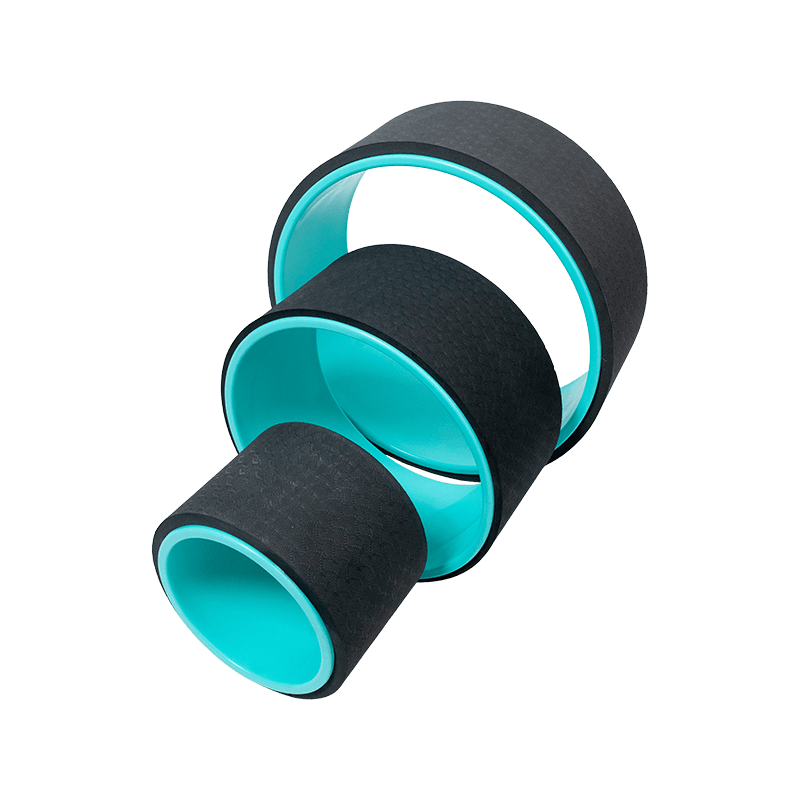
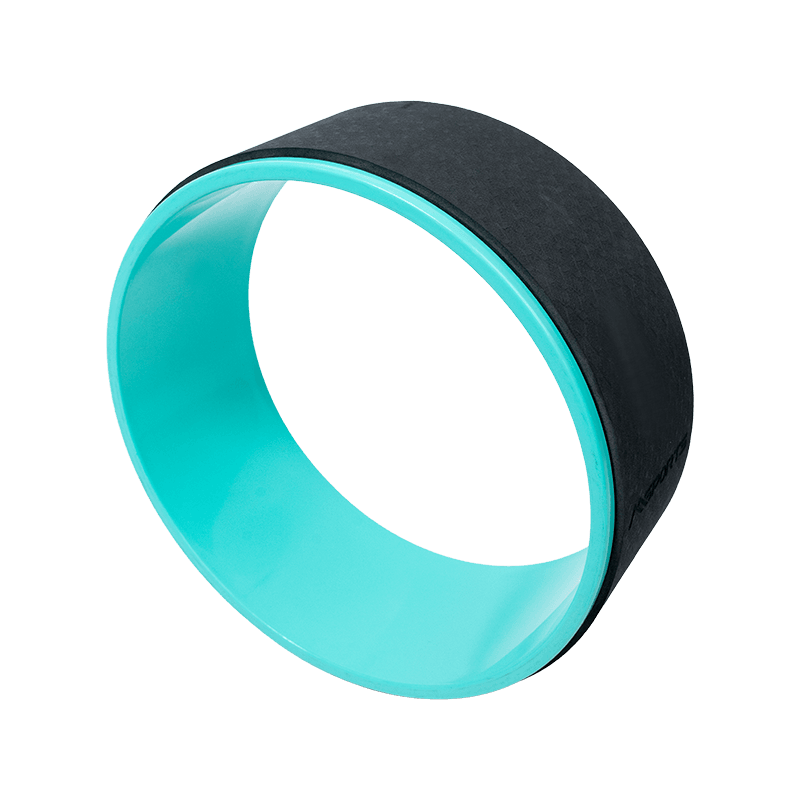
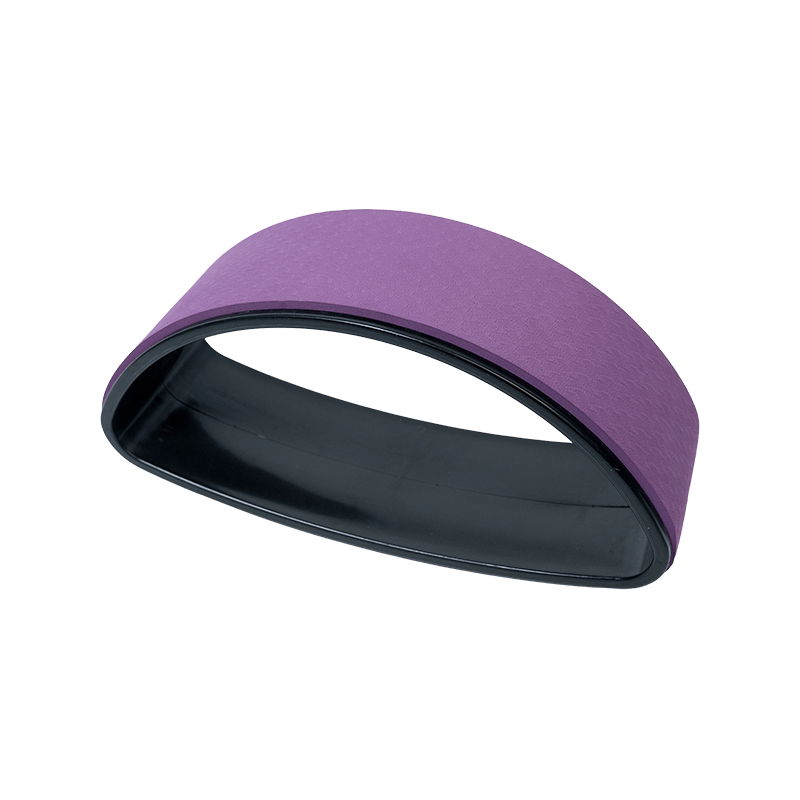
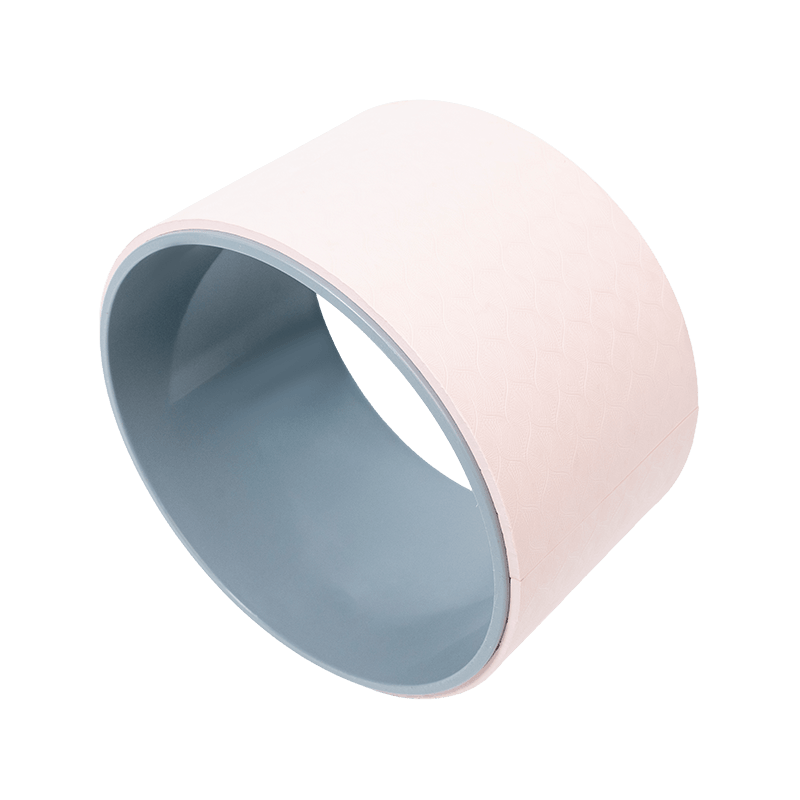
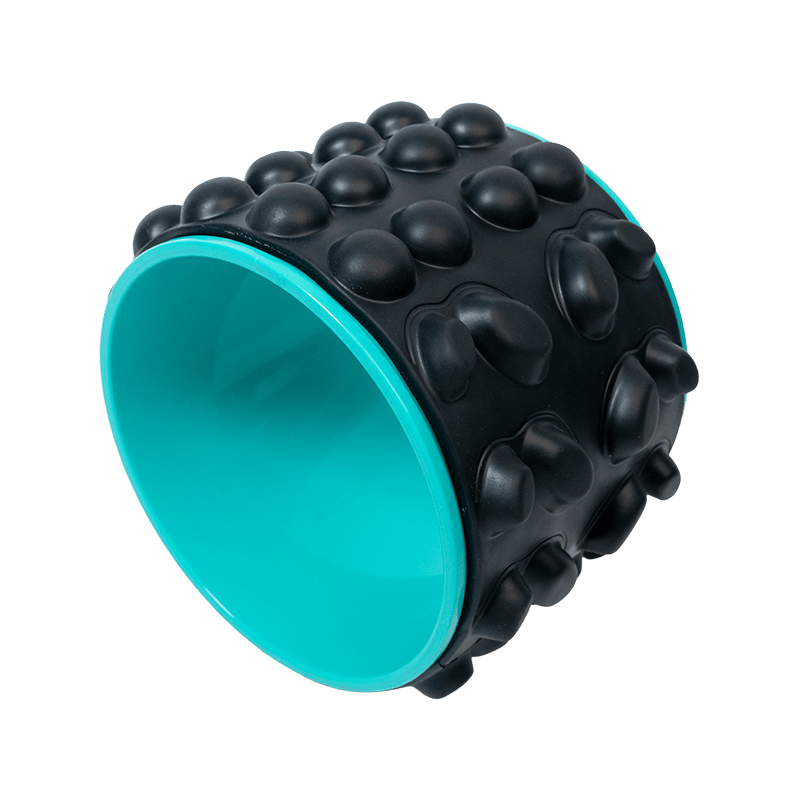
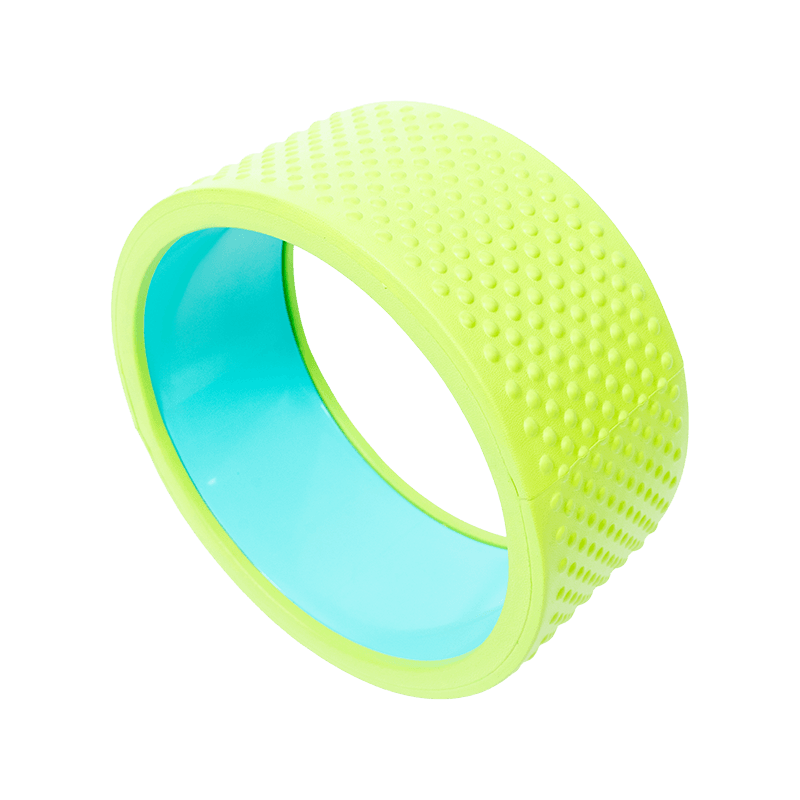
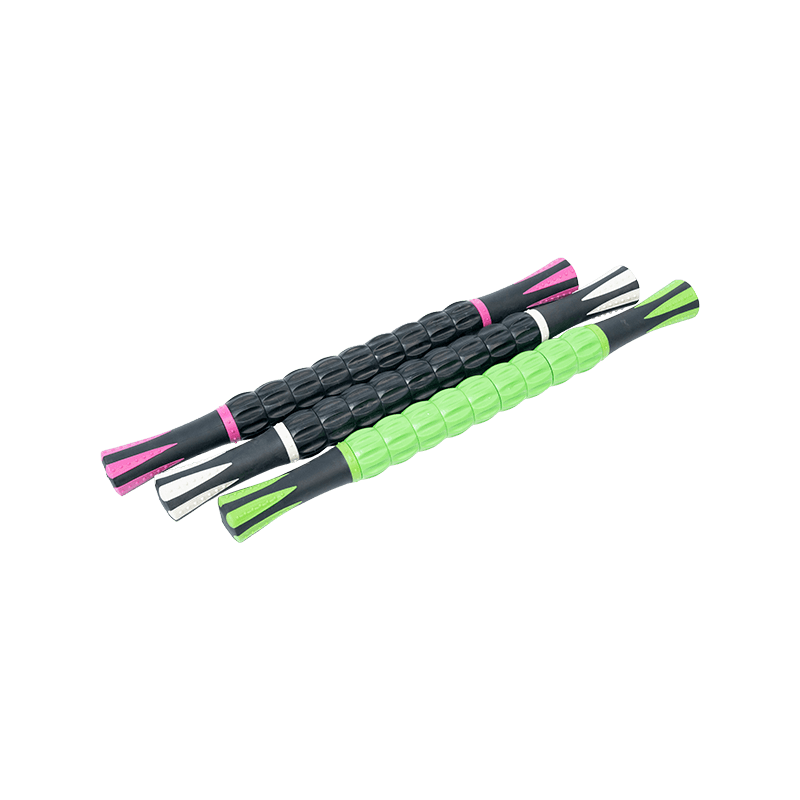
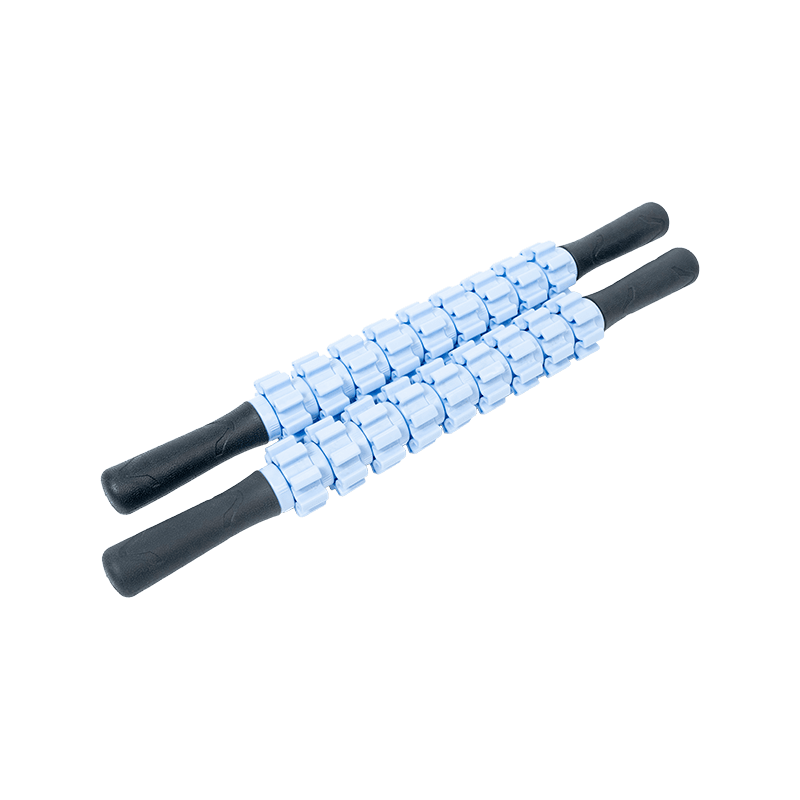
Hand Strength Training Equipment
Hand Strength Training Equipment encompasses a specialised category of devices engineered to develop grip force, finger flexion, thumb opposition, wrist stabilisation, and forearm muscular endurance. This product family includes adjustable hand grippers, finger extension bands, wrist rollers, pinch blocks, grip dynamometers, gyroscopic ball trainers, spring-loaded finger exercisers, and putty-based resistance media. Each device employs calibrated resistance mechanisms such as torsion springs, elastic polymers, pneumatic cylinders, or magnetic braking systems to provide measurable and progressive overload. The equipment is utilised across physical therapy clinics, occupational health settings, climbing gyms, sports training facilities, and industrial fitness programmes. Key design parameters include force range adjustability, ergonomic handle contours, surface texture for slip prevention, and durability testing for repetitive cyclic loading. Advanced digital variants feature load cells with real-time force display, wireless data transmission, and automated progression algorithms that adapt to user fatigue levels.
Force Profiling
Each gripper model is calibrated to provide resistance from 5 kg to 80 kg in 2.5 kg increments. The spring steel torsion bars are heat-treated to maintain consistent force output over 500,000 cycles. Digital variants include a piezoelectric force sensor with an accuracy of plus or minus 1 percent of full scale.
Ergonomic Design
Handle contours are shaped using anthropometric data from 2,000 subjects to accommodate hand widths from 7 cm to 11 cm. The textured grip surface features a diamond-knurled pattern that provides traction without causing skin abrasion during high-load holds.
Resistance Media
- Progressive torsion springs with colour-coded ratings
- Elastic polymer bands with variable thickness
- Pneumatic cylinders with adjustable air pressure
- Magnetic eddy current brakes for smooth resistance
- Therapeutic putty with graded consistency
Core Performance Attributes
- Adjustable resistance ranges that accommodate rehabilitation, general conditioning, and advanced strength training
- Independent finger flexion and extension modes for balanced development of agonist and antagonist muscle groups
- Integrated force measurement with peak hold and average force tracking across each training set
- Quick-release mechanisms that allow rapid resistance changes between exercises without tools
- Corrosion-resistant stainless steel components with nickel-plated finish for longevity in high-sweat environments
- Non-slip rubberised bases that stabilise the device during isometric holds and dynamic repetitions
- Bluetooth connectivity for synchronising training data with mobile applications and cloud storage
- Acoustic feedback signals that indicate proper grip engagement and release timing
Technical Specifications
| Resistance Range | 5 kg to 80 kg continuously adjustable or pin-selectable |
| Grip Span Adjustability | 5 cm to 9 cm in 5 mm increments |
| Force Measurement Accuracy | Plus or minus 1 percent of reading for digital models |
| Maximum Repetition Rate | 120 cycles per minute for endurance testing |
| Material Construction | Stainless steel springs, aluminium alloy handles, polyurethane padding |
| Power Source | USB-C rechargeable lithium battery for digital units |
| Wireless Protocol | Bluetooth 5.0 with 30 metre range |
| Certification | ISO 20957-1 and ASTM F2276 compliance |
Application Scenarios
- Post-fracture rehabilitation: controlled grip strengthening with force monitoring to prevent overloading
- Athletic performance enhancement for climbers, gymnasts, and judo athletes requiring high grip endurance
- Occupational therapy for individuals with carpal tunnel syndrome or trigger finger conditions
- Workplace ergonomics programmes for assembly line workers to reduce repetitive strain injuries
- Geriatric fitness classes using low-resistance putty and extension bands for daily functional grip
- Military personnel training for weapon handling and obstacle course grip endurance
- Musicians and instrumentalists requiring fine motor control and finger independence
Resistance Level Reference Chart
Safety Interlocks
- Overload protection clutch that disengages the resistance mechanism if force exceeds 85 kg
- Automatic pressure relief valve for pneumatic variants to prevent sudden resistance spikes
- Non-slip handle sleeves that provide 0.8 coefficient of friction against dry and sweaty skin
- Spring guide rails that maintain alignment and prevent lateral buckling of torsion bars
- Emergency release button that instantly reduces resistance to zero on digital units
- Battery level indicator that warns of low power before the braking system becomes unstable
Usage Prerequisites
- Clean, dry hands free from oils and lotions for optimal grip surface interaction
- Stable seating or standing position with elbow flexion at 90 degrees for standard testing protocols
- Ambient temperature between 15 and 30 degrees Celsius for consistent elastomer performance
- Sufficient lighting of at least 200 lux for accurate visual feedback on digital displays
- USB power source or wall adapter for charging digital units
- Mobile device or tablet for Bluetooth data synchronisation and analysis
Training Programme Integration
The system integrates with the HST Pro app, which provides adaptive training plans based on initial force assessment. Users complete a three-set testing protocol to establish baseline grip strength; the app then generates a 12-week programme with daily recommendations for resistance, sets, and repetitions. The app tracks fatigue indicators by monitoring force decline across consecutive repetitions and adjusts the following sessions load accordingly. Data from multiple users can be aggregated for team or clinic-level analysis, with export options for CSV and PDF reports.
Environmental Tolerance
- Operating temperature: 5 to 45 degrees Celsius with linear performance derating above 40 degrees
- Storage temperature: -10 to 55 degrees Celsius for non-operational periods
- Humidity tolerance: 20 to 85 percent non-condensing
- Ingress protection: IP 42 for digital variants against dust and dripping water
- Acoustic emissions: below 45 dB(A) during operation
- Drop resistance: 1.5 metres onto concrete for fully assembled units
Customisation Options
- Handle colours available in 12 RAL standard finishes with matte or gloss textures
- Custom laser-engraved force charts with user or clinic branding
- Spring rate customisation for specialised therapeutic protocols
- Ergonomic handle shapes including straight, ergonomic curve, and pistol-grip configurations
- Personalised starting resistance preset for multiple users on one device
Frequently Asked Questions
Operational Guidelines
- Check the spring tension or pneumatic pressure before each training session by performing a full-range squeeze without resistance
- Allow a 48-hour recovery period between high-intensity grip sessions to prevent tendon strain
- Store the device in its protective case when not in use to prevent dust accumulation on the adjustment mechanisms
- Replace elastic bands every 6 months or when visible cracking appears along the surface
- Perform a full function test of the emergency release mechanism weekly
- Keep the charging port cover securely closed to prevent moisture ingress
- Use only the manufacturer-specified lubricant on the guide rails to maintain consistent resistance