


 English
 日本語
日本語 Español
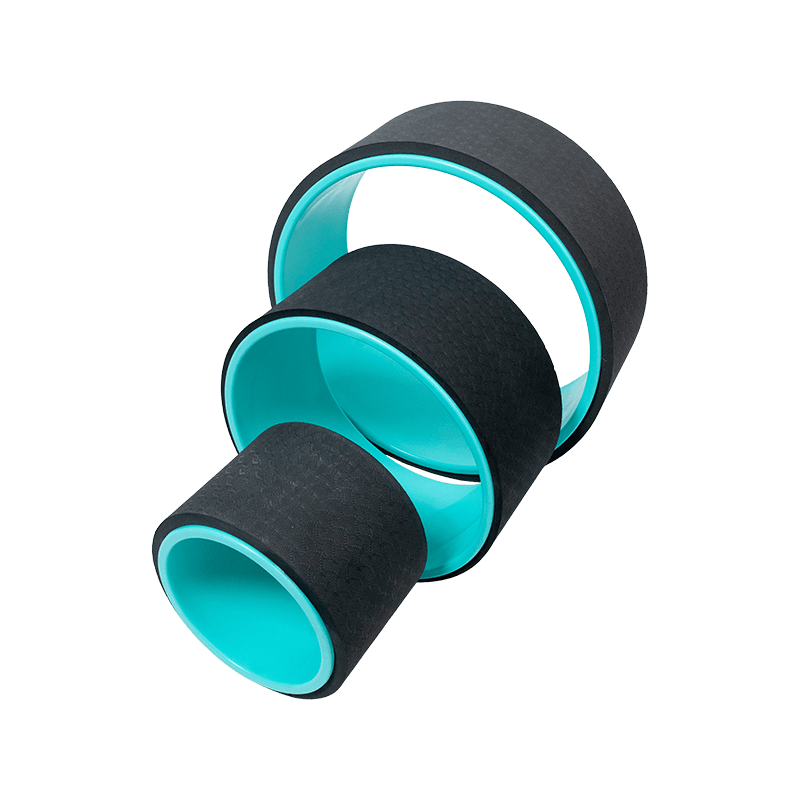
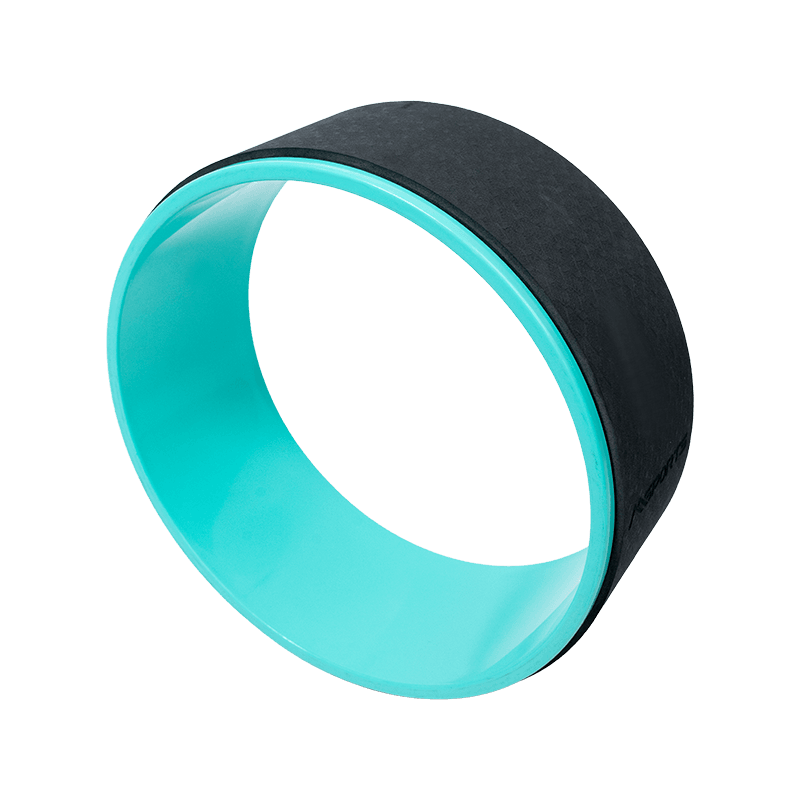
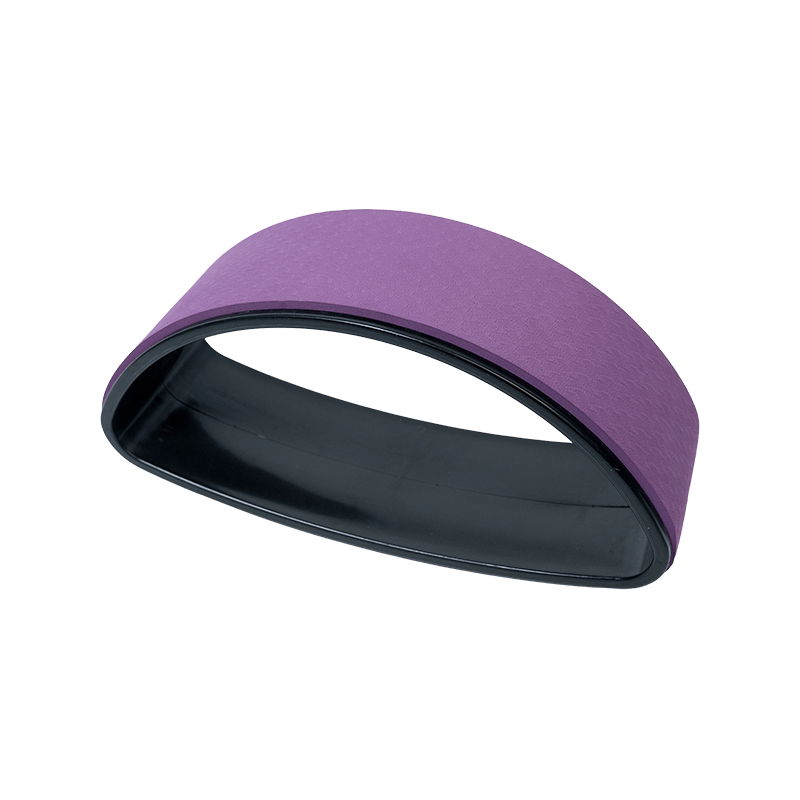
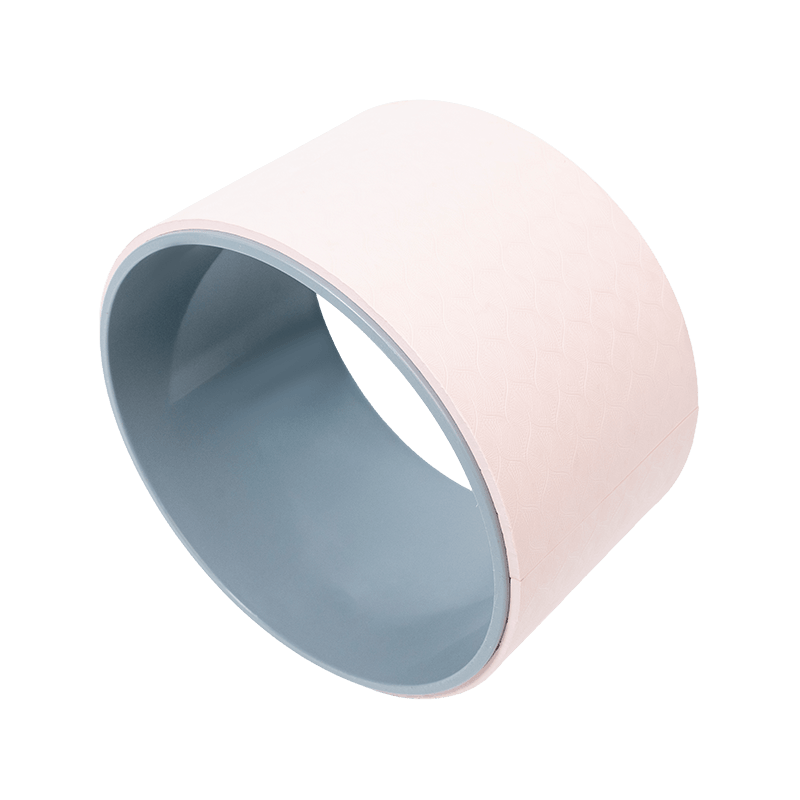
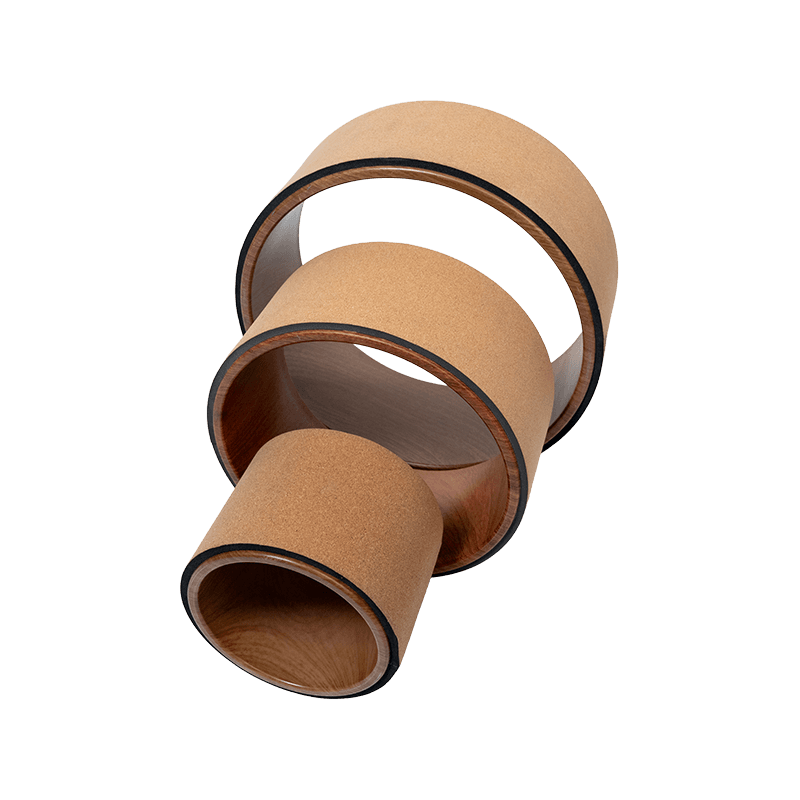
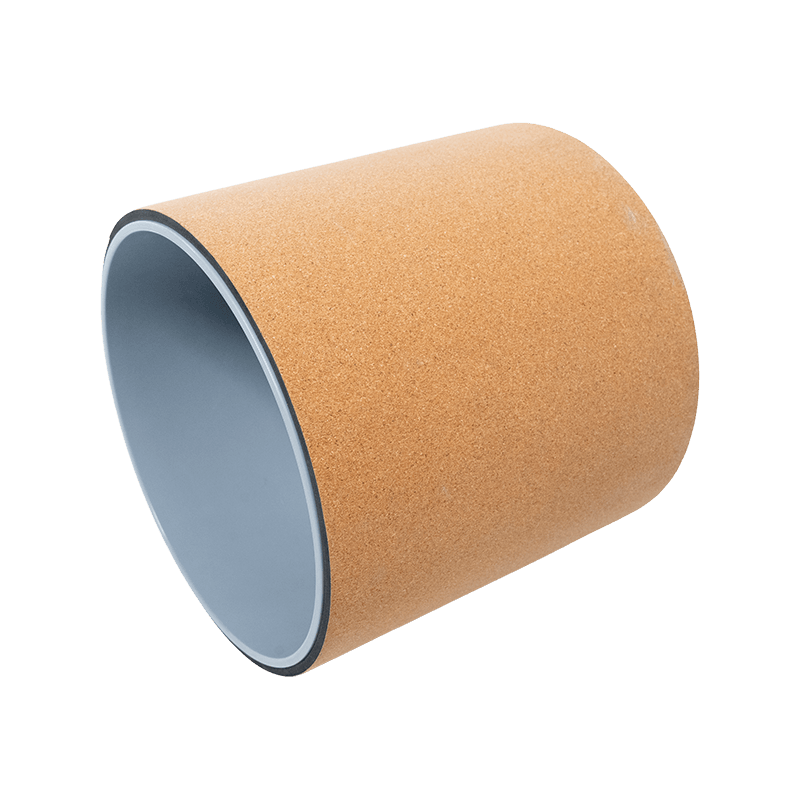
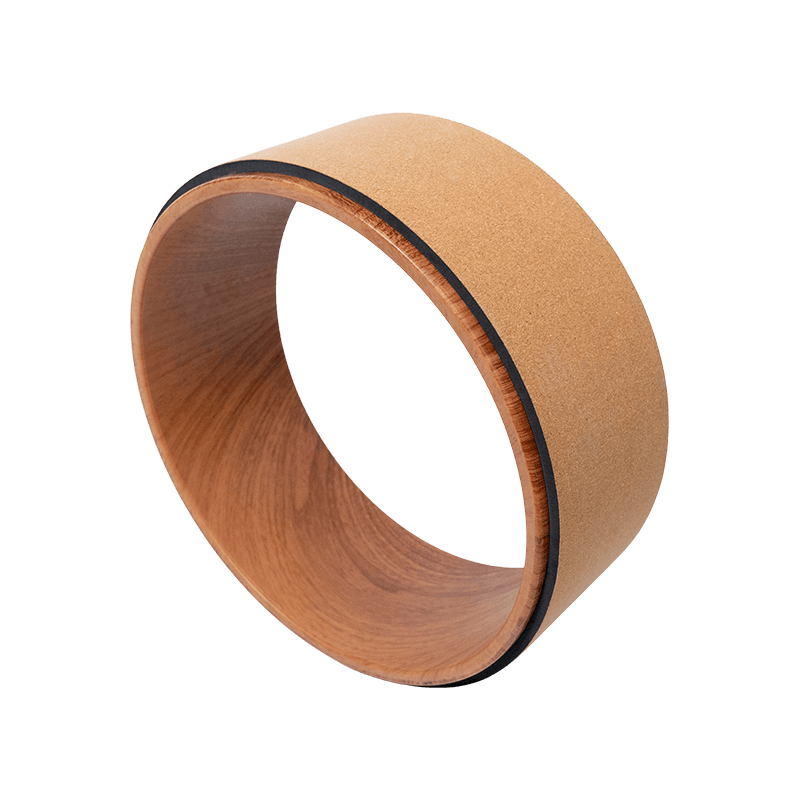
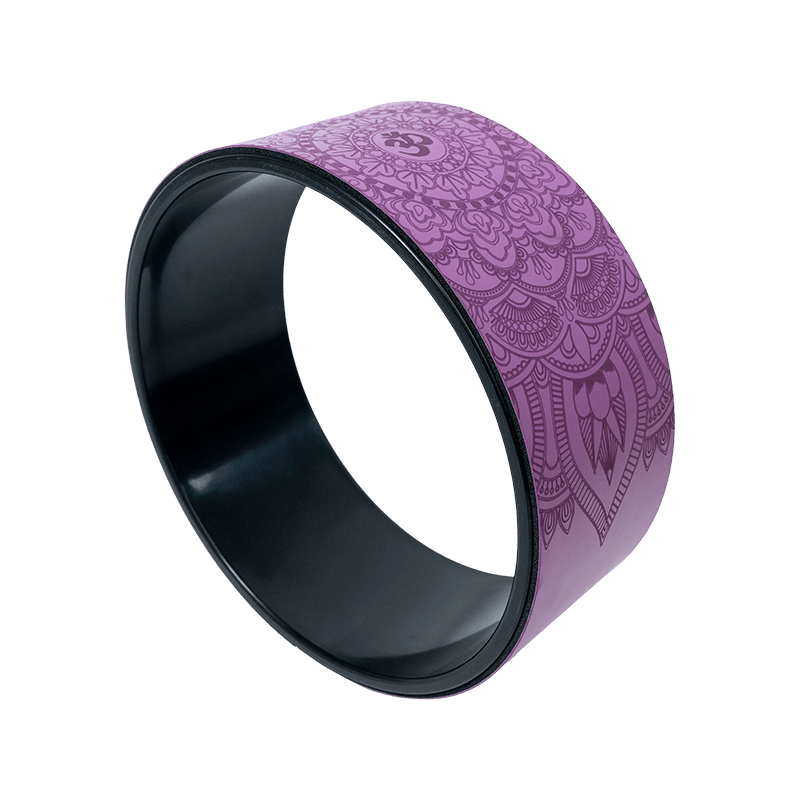
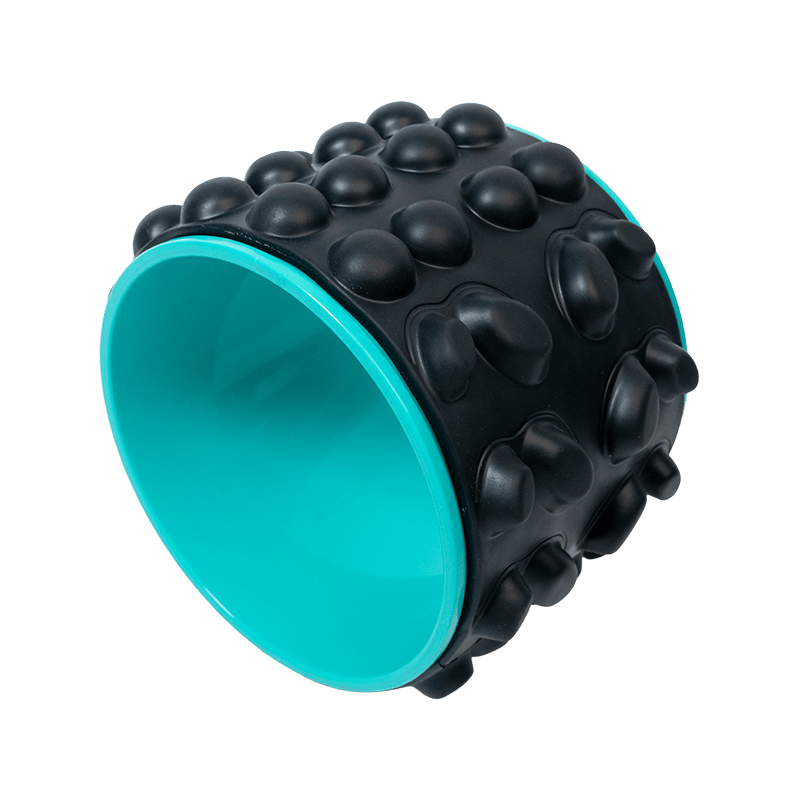
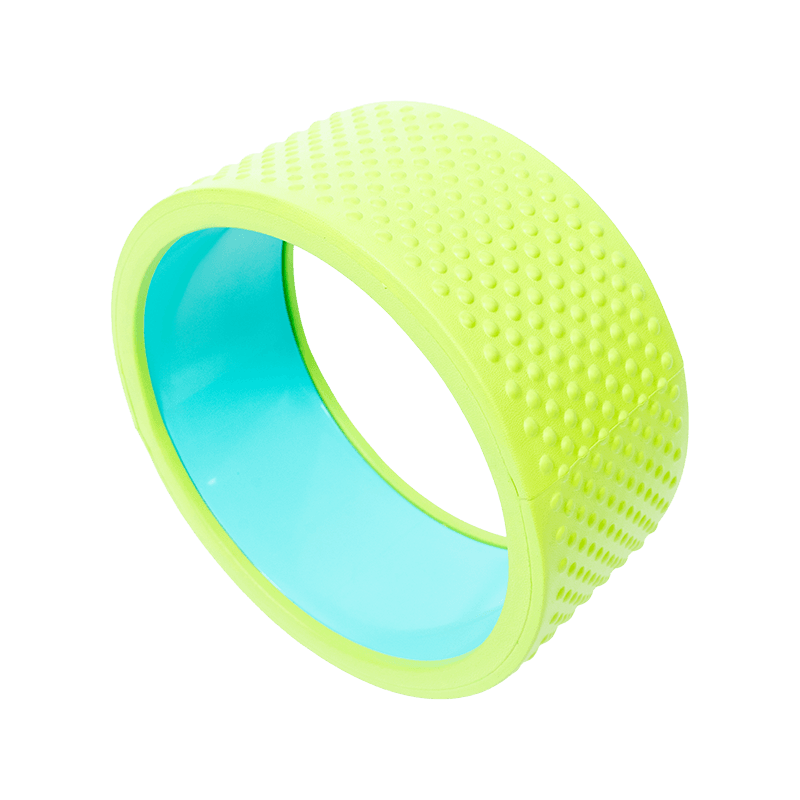
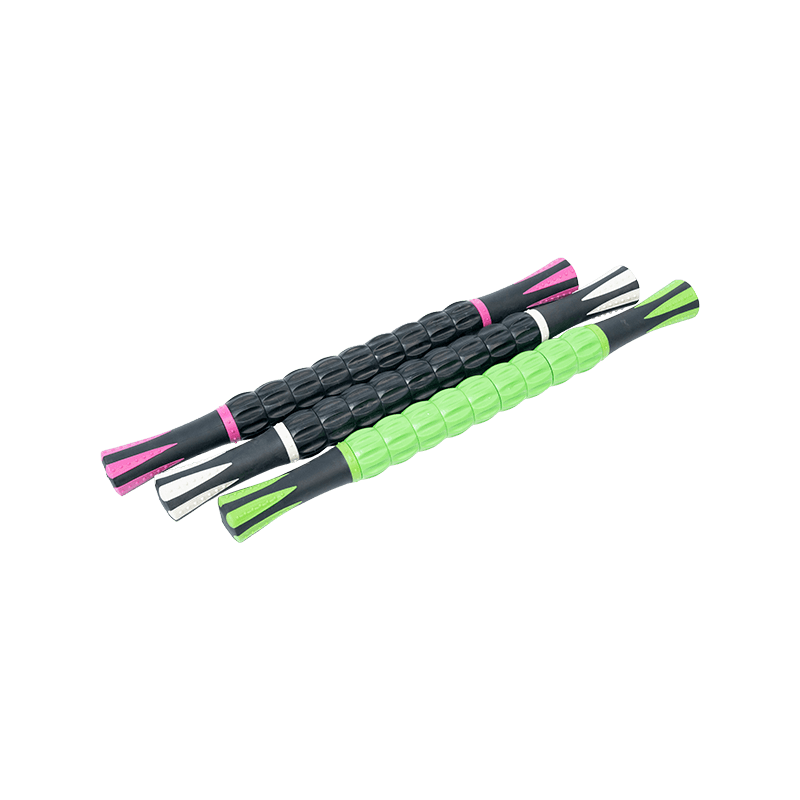
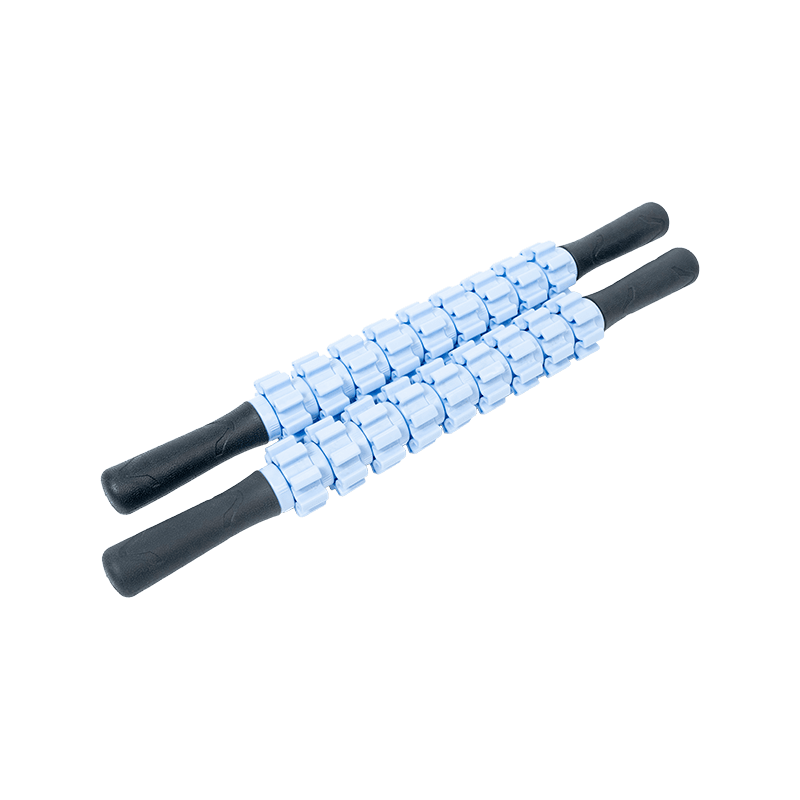
Stability Training Equipment
Stability training equipment encompasses a range of tools designed to challenge neuromuscular control, enhance proprioceptive feedback, and develop core stability under varying loads and surface conditions. This category includes balance boards, wobble boards, rocker boards, BOSU balls, inflatable discs, and instability pads. Each device introduces an unpredictable or reduced-base support surface, forcing the body to recruit deep stabilizing musculature, improve joint alignment awareness, and refine motor unit recruitment patterns. Used across physical therapy, athletic conditioning, and general fitness, stability equipment provides measurable improvements in postural control, fall prevention, and functional movement capacity. The equipment is calibrated to offer progressive difficulty, accommodating users from early rehabilitation to high-performance sport preparation. Its applications extend to injury risk reduction, balance retraining after musculoskeletal injury, and enhancement of dynamic movement efficiency.
Core Advantages
- Proprioceptive stimulation through multi-directional surface displacement
- Adjustable instability levels via inflation pressure or mechanical fulcrum changes
- Closed kinetic chain loading for functional joint stabilization
- Low-impact training modality suitable for weight-bearing restrictions
- Compact, portable design for clinical, gym, or home environments
Product Characteristics
| Surface Material | Non-slip textured PVC or high-density EVA foam |
| Load Capacity | 150 kg to 300 kg depending on model |
| Base Diameter | 40 cm to 75 cm (balance boards and BOSU variants) |
| Inflation Range | 0.5 to 1.2 bar for air-based devices |
| Movement Axis | Uniplanar, biplanar, or multiplanar (360-degree tilt) |
| Maintenance | Wipe-clean surface; periodic air pressure check for inflatables |
Application Scenarios
- Post-ankle sprain rehabilitation – restoring proprioception and gait symmetry
- Knee osteoarthritis management – improving quadriceps-hamstring co-contraction
- Pilates and yoga integration – enhancing spinal stabilization in dynamic postures
- Sports conditioning – preparing for multidirectional agility demands
- Geriatric balance training – reducing fall risk through controlled perturbation exposure
Frequently Asked Questions
Usage Precautions
- Always place equipment on a non-slip, level floor to avoid unexpected slipping
- Inspect inflation and structural integrity before each use – replace if surface shows wear or leaks
- Maintain a clear perimeter of at least 1 meter to prevent collision with fixed objects
- For acute injury or post-surgical patients, supervise all exercises with a trained professional
- Avoid use on carpeted surfaces that may restrict base movement and alter intended instability