

 English
 日本語
日本語 Español
What Is Foam Rolling and Why Practitioners Use It
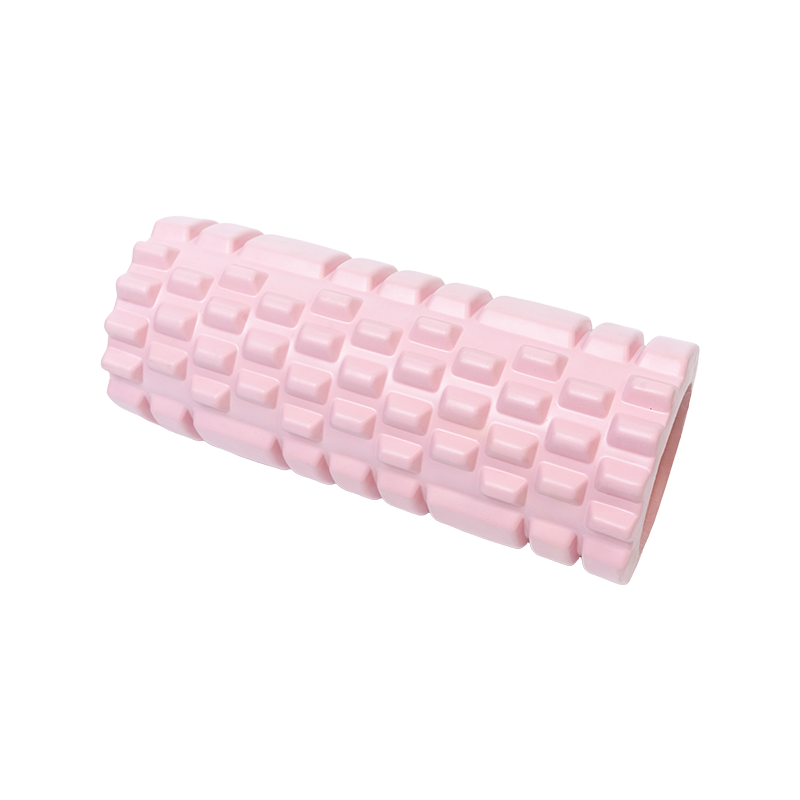
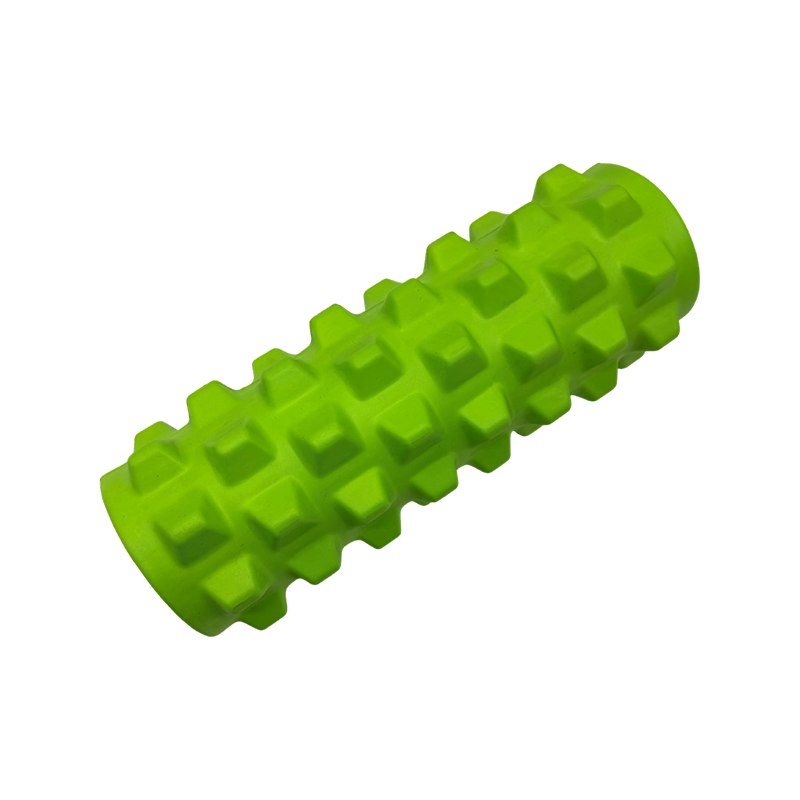
Foam rolling is a self-myofascial release (SMR) technique in which a cylindrical foam tool is used to apply sustained pressure to soft tissue — muscles, fascia, and connective tissue — to reduce tension, improve circulation, and restore range of motion. The practice originated in physical therapy and sports rehabilitation before migrating into mainstream fitness and yoga communities.
The mechanism works through two pathways. First, sustained mechanical pressure on the muscle temporarily reduces tone by stimulating Golgi tendon organs, the sensory receptors that signal the nervous system to release muscular contraction. Second, rolling increases localized blood flow and promotes fluid exchange in the fascia — the web of connective tissue that surrounds and connects every muscle group in the body.
A 2015 meta-analysis in the International Journal of Sports Physical Therapy found that foam rolling before exercise increased flexibility by an average of 4.3% without the strength reduction associated with static stretching, making it a preferred warm-up tool among yoga practitioners and athletes alike. Post-session rolling reduced delayed onset muscle soreness (DOMS) scores by up to 40% in controlled trials.
For yoga practitioners specifically, foam rolling addresses the chronic tension patterns that accumulate from desk work, repetitive movement, and asymmetrical daily posture — tension that limits depth and alignment in poses before a session even begins. Thoracic spine rolling, IT band work, and hip flexor release are among the most commonly integrated pre-yoga routines.
Yoga Props and Accessories: Building a Practice That Supports Every Body
Props are not training wheels — they are precision tools that allow practitioners of every level to access correct alignment, deepen stretches safely, and sustain poses longer without compensatory strain. The shift in how the yoga community talks about props, from optional aids to essential equipment, reflects a broader maturation in understanding what good practice actually looks like.
The core yoga prop toolkit includes:
- Yoga blocks — bring the floor closer to the practitioner, support the hands in standing forward folds, and provide height under the sitting bones in seated poses to tilt the pelvis forward and lengthen the spine
- Yoga straps — extend the reach of the arms in poses where flexibility limits contact, maintain active engagement in bound positions, and assist in developing hamstring length gradually and safely
- Bolsters — large cylindrical or rectangular cushions used in restorative yoga to support the body in passive, sustained opening postures without muscular effort
- Blankets — versatile props for joint padding, seated height, warmth in savasana, and shoulder support in inversions
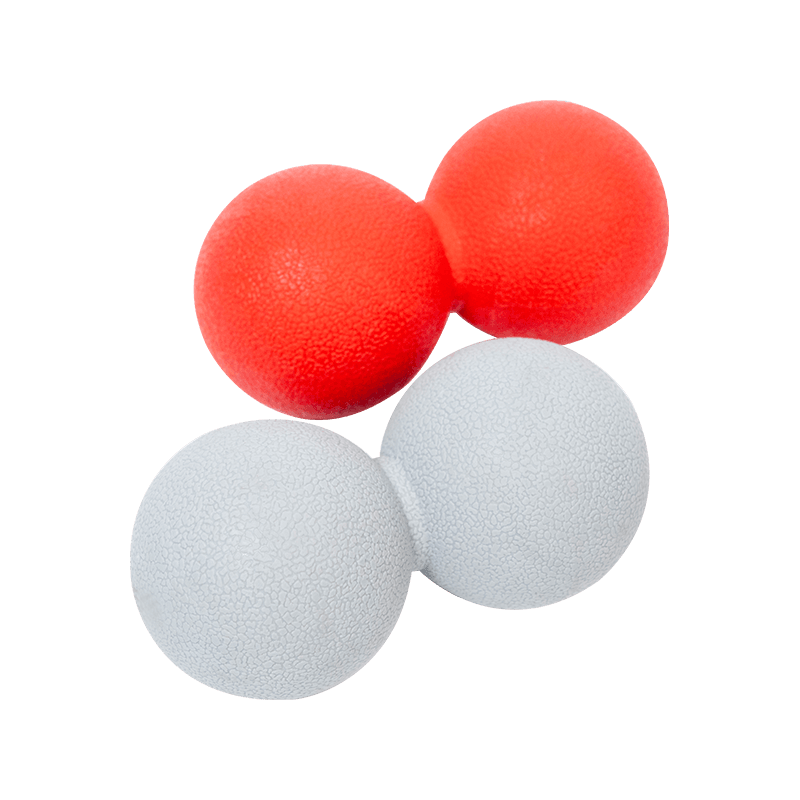
- Foam rollers and massage balls — pre-practice myofascial release tools that prepare tissue for deeper range of motion
- Wrist support devices — wedges, wraps, and gloves that protect the wrist joint in weight-bearing poses, discussed in detail below
The global yoga equipment and accessories market was valued at approximately $18.4 billion in 2023, with props and accessories growing faster than mats as practitioners move beyond beginner setups and invest in a complete practice environment. Travel-friendly, compact versions of traditionally bulky props — including mini blocks — are among the fastest-growing product categories within this segment.
Mini Yoga Blocks: When Compact Size Is the Right Choice
Standard yoga blocks measure approximately 9 × 6 × 4 inches and weigh around 350g in foam construction or up to 700g in cork. Mini yoga blocks — typically 7 × 3.5 × 2 inches — are roughly half the volume and weight, purpose-built for travel, smaller hands, and specific applications where the standard block is unnecessarily bulky.
Where Mini Blocks Excel
Mini blocks are particularly effective as forearm and wrist supports in low-load poses — child's pose, sphinx, supported bridge — where the standard block height creates awkward wrist extension. Their lower profile also makes them better suited to under-knee support in reclined twists and seated forward folds, where full-height blocks elevate the joint beyond a comfortable neutral angle.
For practitioners with smaller hands, the reduced surface area of a mini block provides a more secure grip in standing poses like half moon and revolved triangle, where block stability is critical. Studio owners have also adopted mini blocks as secondary props that don't crowd the storage area — one standard shelf can hold twice the number of mini blocks compared to full-size equivalents.
Material Considerations
Mini yoga blocks are available in three primary materials, each with a different performance profile:
- EVA foam — lightweight, moisture-resistant, and gentle on joints; the most common material and the best all-around choice for general use and travel
- Cork — denser and firmer than foam, providing more stable support under bodyweight in standing poses; naturally antimicrobial and sustainably sourced; heavier than foam but preferred by practitioners who dislike the slight compression of EVA
- Bamboo or wood — the most rigid option, offering a solid platform in weight-bearing applications; less forgiving on bony prominences and better suited to experienced practitioners than beginners
When to Choose Full-Size Instead
Mini blocks are not universally superior to standard blocks. In poses requiring significant height — supported fish, restorative heart opener, seated forward fold with significant hamstring restriction — the additional elevation of a full-size block is necessary and cannot be replicated by stacking two mini blocks without sacrificing stability. Most experienced practitioners maintain both sizes in their home practice kit, using mini blocks for targeted joint support and full-size for structural height.
Best Wrist Support for Yoga: Protecting the Most Loaded Joint in Practice
Wrist pain is among the most common complaints reported by yoga practitioners, particularly those who practice styles with significant weight-bearing demands — vinyasa, power yoga, ashtanga, and arm balance work. The wrist joint is not designed for prolonged weight-bearing in full extension (the 90° angle of downward dog and plank), and without proper preparation and support, cumulative stress to the carpal ligaments and wrist flexor tendons is inevitable.
A survey of 1,336 yoga practitioners published in the International Journal of Yoga Therapy found that 18.3% reported wrist injuries, making it the third most frequently injured body area after the lower back and shoulders. The majority of wrist injuries in yoga are overuse rather than acute trauma — meaning they develop gradually and are largely preventable with the right support strategy.
Wrist Wedges (Yoga Wedge Props)
Wrist wedges are the most widely recommended support for practitioners with chronic wrist discomfort. By elevating the heel of the hand 15–25°, wedges reduce the degree of wrist extension required in poses like downward dog, plank, and upward dog — bringing the joint closer to its neutral, pain-free range. High-density EVA foam wedges (approximately 15mm at the thick edge) offer the best combination of grip, cushioning, and durability. Cork wedges provide a firmer platform preferred by practitioners who find foam wedges too compressible under bodyweight.
Wrist Wraps and Compression Braces
For practitioners returning from a wrist injury or managing hypermobility, wrist wraps provide proprioceptive feedback and mild compressive support without significantly restricting movement. Neoprene wraps with adjustable Velcro closures are the most practical format for yoga — they can be applied quickly, adjusted mid-session, and removed for poses where wrist restriction would be counterproductive. Rigid splint-style braces are generally too restrictive for active yoga practice and are better suited to rest-day recovery.
Yoga Gloves with Grip Pads
Fingerless yoga gloves with silicone grip pads on the palm serve a dual function: they increase traction on the mat surface (reducing the slipping that causes practitioners to load the wrist in corrective micro-movements) and provide a thin layer of padding over the carpal bones. They are particularly useful on synthetic mat surfaces that become slick with perspiration. The primary limitation is reduced tactile feedback compared to bare-hand practice — a consideration for practitioners who rely on ground feel for balance cues.
| Support Type | Best For | Extension Reduction | Movement Restriction | Typical Price |
|---|---|---|---|---|
| Wrist wedge (EVA foam) | Chronic wrist pain, all levels | 15–25° | None | $12–$25 |
| Wrist wedge (cork) | Firmer support preference | 15–25° | None | $18–$35 |
| Compression wrap | Injury recovery, hypermobility | 0° (support only) | Mild | $10–$30 |
| Yoga gloves (grip pad) | Grip issues, light padding | 0° (padding only) | Minimal | $15–$40 |
Supporting Wrist Health Beyond Props
Props address load management but not underlying weakness. Strengthening the wrist flexors and extensors through dedicated conditioning work — wrist circles, fingertip push-ups, and eccentric wrist curls — builds the joint capacity that makes weight-bearing poses sustainable long-term. Most yoga-related wrist injuries are preventable with a combination of appropriate props during practice and two to three minutes of targeted wrist conditioning daily.