

 English
 日本語
日本語 Español
What Is a TPE Yoga Wheel and Why Is It Different?
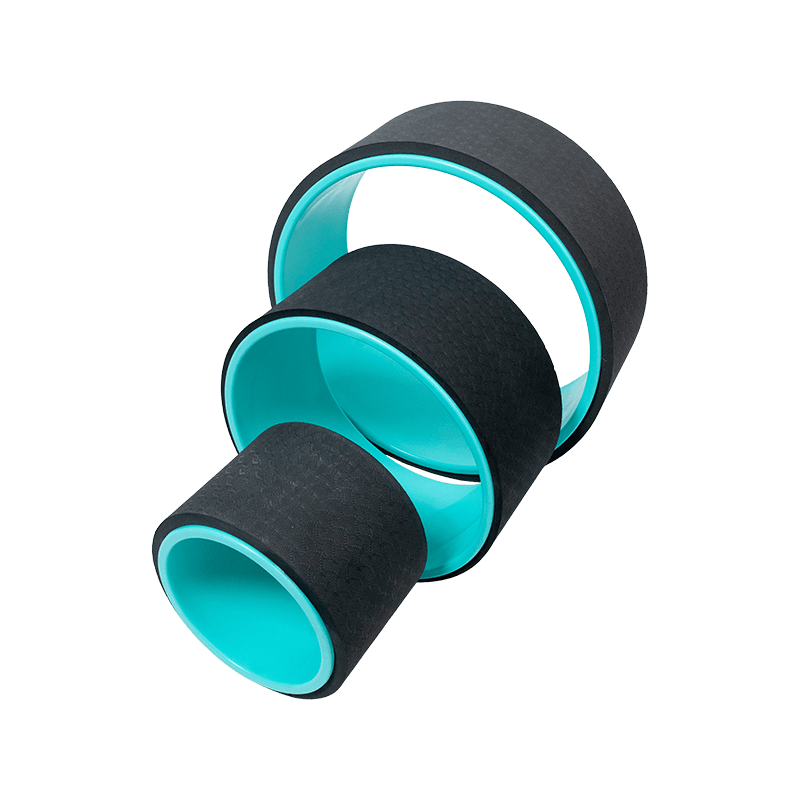
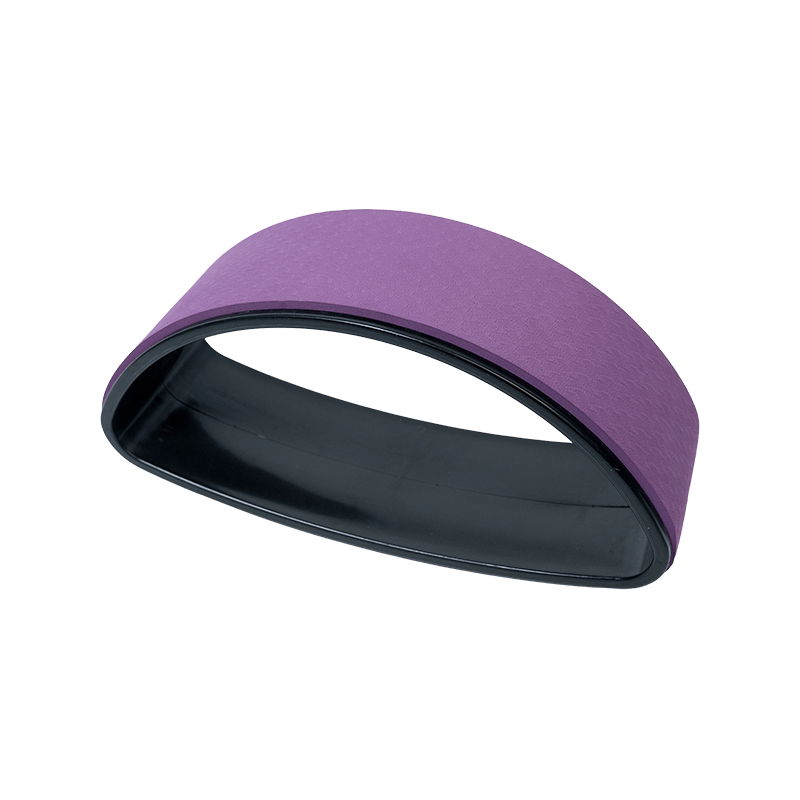
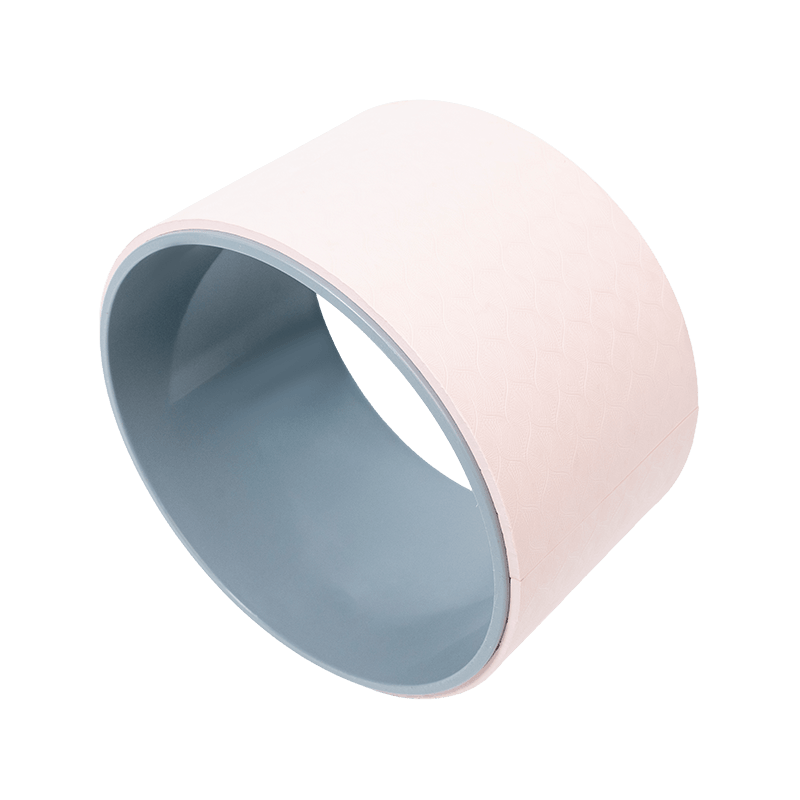
A yoga wheel is a hollow, circular prop typically 30–33 cm in diameter used to support the spine, open the chest, and deepen stretches in yoga practice. It functions as a portable arch that the body can drape over, roll along, or press against, making it equally useful for beginners learning backbends and advanced practitioners refining inversions.
A TPE yoga wheel is one built with a thermoplastic elastomer outer layer over a rigid ABS or PP core. TPE—thermoplastic elastomer—is a synthetic rubber compound that combines the flexibility of vulcanized rubber with the processability of plastic. Unlike PVC or PU coverings, TPE contains no phthalates or heavy-metal stabilizers and can be fully recycled at end of life. That combination of skin-safe chemistry, grippy texture, and environmental credentials has made the TPE yoga wheel one of the most requested formats among yoga studios, wellness retailers, and private label brands over the past several years.
Core Benefits of Using a TPE Yoga Wheel in Practice
The yoga wheel's fundamental advantage is its ability to offer graduated spinal support. Rather than dropping immediately into a full backbend—a movement that demands significant thoracic mobility—a practitioner can rest the wheel under the mid-back and allow gravity to slowly open the chest and vertebrae over time. This progressive approach reduces injury risk while accelerating flexibility gains compared to unassisted stretching.
The TPE surface layer adds specific performance advantages on top of that baseline utility:
- Natural grip without stickiness — The micro-textured TPE surface holds against bare skin and activewear fabric without the tacky pull that PU leather develops when warm. This matters most in standing balance poses where the foot or hand makes contact with the wheel.
- Cushioned contact — TPE has a Shore A hardness typically in the 50–70 range, softer than a hard PU shell. This cushioning reduces pressure on the vertebrae during spinal rolling and on the wrists and ankles during weight-bearing poses.
- Odor-neutral from day one — New PVC or PU yoga wheels frequently off-gas a noticeable chemical smell. TPE is inherently low-odor, which is appreciated in enclosed studio environments.
- Easy maintenance — TPE resists absorption of sweat and cleaning agents, making it straightforward to wipe down between sessions without the surface degrading as quickly as cork can in humid conditions.
Beyond flexibility work, the wheel serves as a balance challenge. Placing one foot on the top of the wheel during Warrior III or a single-leg squat recruits stabilizer muscles along the ankle, knee, and hip that flat-floor practice does not fully engage.
TPE vs. PU vs. Cork Yoga Wheel: How the Materials Compare
Three outer-layer materials dominate the yoga wheel market. Each has a distinct profile of strengths and trade-offs that makes it more suitable for certain users and use cases.
| Property | TPE Yoga Wheel | PU Yoga Wheel | Cork Yoga Wheel |
|---|---|---|---|
| Surface Grip | Good; improves slightly when warm | Good when dry; sticky when very warm | Excellent; grip increases with moisture |
| Cushioning Feel | Soft to medium | Firm | Medium; less forgiving than TPE |
| Eco-Friendliness | High; recyclable, no harmful plasticizers | Moderate; not easily recycled | High; natural, biodegradable material |
| Durability | High; resists cracking and peeling | High when new; surface can peel over time | Moderate; can chip at edges with heavy use |
| Odor | Low; near odor-neutral out of packaging | Moderate chemical smell when new | Mild natural cork scent |
| Maintenance | Wipe clean; non-porous surface | Wipe clean; avoid abrasive cleaners | Avoid soaking; air-dry after wet use |
For practitioners prioritizing environmental credentials alongside everyday comfort, the TPE yoga wheel and the cork yoga wheel both make a strong case. The meaningful difference is feel: TPE is the softer, quieter option for spinal massage work, while cork's firmer surface suits users who prefer more defined proprioceptive feedback through the wheel.
Is a TPE Yoga Wheel Necessary for Your Practice?
No yoga prop is strictly necessary—the practice itself requires only a body and a flat surface. That said, a yoga wheel removes barriers that keep many people from progressing into poses they would otherwise avoid entirely. The question worth asking is not whether a wheel is necessary, but whether the progress it enables justifies adding it to your toolkit.
The TPE yoga wheel tends to be especially valuable in three specific situations:
- Tight thoracic spine from desk work — Prolonged sitting compresses the mid-back into a fixed kyphotic curve. Rolling slowly along the length of a TPE wheel targets each thoracic segment in a way that no static stretch fully replicates.
- Learning backbends safely — Wheel-assisted Urdhva Dhanurasana (Wheel Pose) and Camel variations let practitioners find the spinal extension shape with support before attempting it freestanding. This builds both mobility and confidence simultaneously.
- Post-workout recovery — Using the wheel as a myofascial release tool—rolling it slowly under the thoracic spine, hamstrings, or hip flexors—provides targeted relief that a foam roller cannot access due to its width.
Practitioners who already have excellent spinal mobility and are not drawn to backbend-focused work may find the wheel adds less to their practice. For everyone else—particularly anyone spending significant time at a desk or looking to advance their backbend repertoire—a TPE yoga wheel offers a measurable return on a relatively modest investment.
How to Choose the Right TPE Yoga Wheel
Not all TPE yoga wheels are built to the same standard. Several specifications determine whether a wheel will hold up to regular use and provide the support it promises:
- Core material — A high-density ABS plastic core is the benchmark for structural rigidity. Some budget wheels use hollow polypropylene that flexes under body weight, reducing both stability and longevity. Look for a stated weight capacity of at least 150 kg as a proxy for core quality.
- TPE layer thickness — A TPE coating of 10–15 mm provides enough cushion to protect the spine without being so soft that the wheel compresses unevenly under load. Thinner coatings of 5 mm or less feel closer to a hard shell.
- Diameter and width — The standard 33 cm diameter suits most adult body proportions. A 13–15 cm width provides a stable rolling track; narrower wheels under 10 cm tip more easily and suit narrower torso work only.
- Safety certifications — For wheels intended for retail sale in Europe or North America, look for REACH compliance (confirming the TPE is free from restricted substances) and SGS or similar third-party test reports.
- Surface texture — A lightly embossed or ribbed TPE surface improves grip and provides mild massage stimulation. A completely smooth TPE surface, while easier to print custom patterns on, offers slightly less traction.
Getting Started: Simple TPE Yoga Wheel Exercises for All Levels
The following exercises work across experience levels and demonstrate the range of applications a single TPE yoga wheel covers:
- Supported Thoracic Roll — Sit on the floor with the wheel behind you. Lean back so the wheel rests under the mid-back. Slowly roll up and down the spine from the base of the shoulder blades to the upper thoracic region, pausing where tension is greatest. Two to three minutes of this alone makes a measurable difference in how the next session begins.
- Wheel-Assisted Camel Pose — Kneel upright with the wheel between the feet and shins. Place hands on the wheel and gradually walk them down toward the floor, allowing the chest to open and the spine to extend. The wheel rolls backward as needed, preventing any sudden uncontrolled drop into the backbend.
- Half Pigeon Hip Opener — From a low lunge, slide the wheel under the front shin and rest the thigh on top. Breathe into the hip flexor and piriformis for 60–90 seconds per side. The rounded wheel surface distributes body weight more evenly than the floor does in a standard Pigeon.
- Balance Challenge Plank — Place both hands on top of the wheel and hold a plank position. The wheel's tendency to roll sideways activates stabilizers in the wrists, shoulders, and core that a static plank on the floor does not fully recruit.
Whether used as a daily warm-up tool, a targeted recovery device, or a training prop for advanced asanas, the TPE yoga wheel earns its place among the most versatile single props in a modern yoga kit. Its combination of eco-friendly material, comfortable grip, and structural durability makes it a practical choice for practitioners and studios alike.