

 English
 日本語
日本語 Español
Introduction
Yoga has been practiced for thousands of years, and with its growing popularity in the modern world, new tools and accessories are constantly being introduced to enhance the practice. One such tool that has gained significant attention is the TPE yoga wheel. Originally designed as a stretching aid, the yoga wheel has become a versatile piece of equipment, helping practitioners with everything from improving flexibility to alleviating back pain and even supporting core strength.
What is a TPE Yoga Wheel?
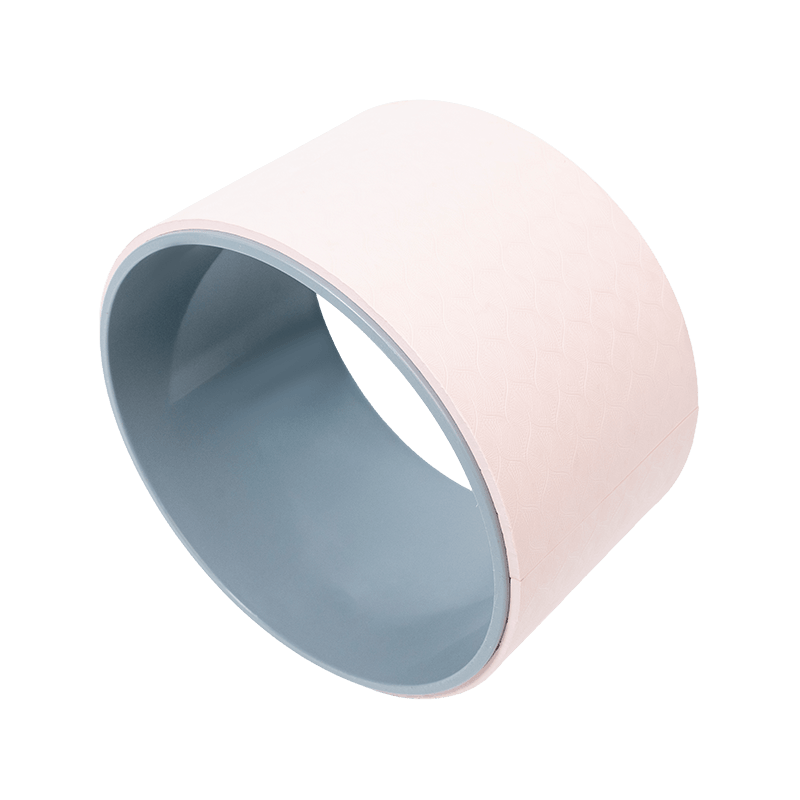
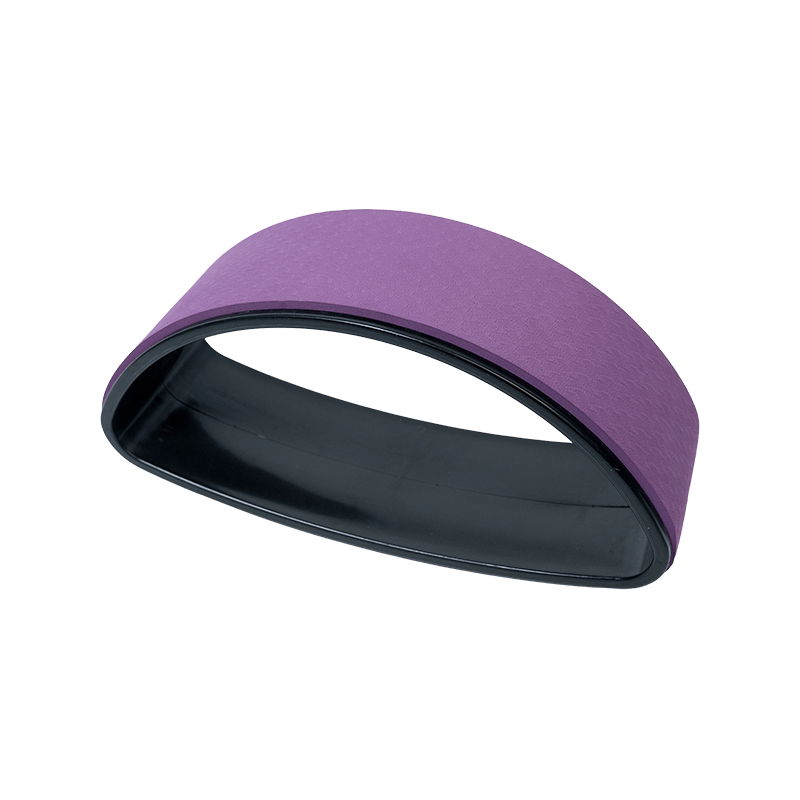
A TPE yoga wheel is a circular piece of equipment that is commonly used for stretching, balance, and core strengthening exercises in yoga. It is typically made from thermoplastic elastomer (TPE), a material known for its durability, flexibility, and eco-friendliness. TPE yoga wheels come in various sizes and designs, but they all share one thing in common: they provide support and resistance to help deepen stretches, improve flexibility, and strengthen the body.
The TPE yoga wheel is used in a variety of yoga poses, from backbends to spinal stretches, and it’s designed to provide both support and a challenge to the practitioner. It can also be used to release tension in the body, particularly in areas like the spine, shoulders, and hips. Compared to traditional yoga props like blocks or straps, the yoga wheel offers dynamic support that is perfect for yogis looking to enhance their practice and improve mobility.
How TPE Yoga Wheel Differs from PVC Yoga Wheel
TPE, or thermoplastic elastomer, is an eco-friendly material that is often used as an alternative to PVC (polyvinyl chloride), a more commonly used plastic material in other types of yoga wheels. While PVC wheels are inexpensive and durable, they can be less flexible and may wear out more quickly compared to TPE wheels. TPE is also non-toxic and biodegradable, making it a more sustainable option for those looking to practice yoga with environmentally conscious products.
The main difference between TPE yoga wheel and PVC Yoga Wheel lies in the material properties. TPE wheels tend to offer better flexibility and a more comfortable user experience, particularly for those who are new to yoga. PVC wheels, on the other hand, may be more rigid, which can make them suitable for practitioners who need a firmer surface for their stretching.
Benefits of TPE Yoga Wheel
TPE yoga wheels are designed to provide numerous benefits for yoga practitioners. Some of the main advantages include:
- Improved Flexibility: Using the yoga wheel in stretching poses can help increase flexibility, particularly in the spine, hips, and shoulders.
- Core Strengthening: Many core exercises can be performed using a yoga wheel, which helps target and engage muscles in the abdominal and lower back area.
- Spinal Health: The yoga wheel can be used for spinal decompression and alignment, which can relieve tension and help correct posture.
- Back Pain Relief: For those suffering from chronic back pain, a TPE yoga wheel can be a helpful tool to perform gentle spinal stretches and massage techniques to relieve discomfort.
Health Benefits of TPE Yoga Wheel
Back Pain Relief with TPE Yoga Wheel
One of the most compelling reasons people turn to the TPE yoga wheel is its ability to alleviate back pain. Back pain is one of the most common complaints among adults, and yoga is often recommended as a way to both prevent and relieve discomfort. A TPE yoga wheel can assist in this by offering deep stretching that targets the spine, helping to decompress it and reduce tension that often leads to pain.
By using the wheel to perform gentle backbends and stretches, practitioners can open up the chest and shoulders, which are common areas where tension builds up. For those with tightness or discomfort in the lower back, using the yoga wheel to roll along the spine can help release built-up pressure and promote better spinal health.
Many yoga practitioners find that regular use of the wheel not only relieves pain but also improves flexibility in the spine and enhances overall posture. This makes it an excellent tool for those who sit for long periods of time, as it can help counteract the effects of prolonged sitting on the back.
Promoting Spine Alignment and Health
Proper spine alignment is essential for overall health and well-being. The TPE yoga wheel is an excellent tool for improving spine alignment because it encourages practitioners to open their chest, align their back, and strengthen the muscles that support the spine. By using the yoga wheel for spinal stretches, you can enhance the natural curvature of the spine, preventing misalignments that could lead to pain or discomfort.
For people who spend long hours working at a desk or who experience tension from poor posture, the yoga wheel offers an easy way to address spinal misalignments. Regular practice can help realign the spine and release tension from the neck and back.
Flexibility Enhancement with TPE Yoga Wheel
Another significant benefit of the TPE yoga wheel is its ability to help increase flexibility. Many yoga poses involve deep stretching, particularly in the back, hips, and shoulders. The wheel assists in these stretches by providing additional support and allowing for deeper movements.
By placing the wheel under your back or legs during a stretch, you can gently guide your body into a deeper range of motion. For instance, backbends like the wheel pose can be supported by the yoga wheel, helping you deepen the stretch and hold the pose for longer without straining the muscles.
TPE Yoga Wheel Design and Material Analysis
The Advantages of TPE Material
TPE (thermoplastic elastomer) is a versatile material that combines the best features of both rubber and plastic. It is flexible, durable, and resistant to wear and tear, making it an ideal material for a TPE yoga wheel. The main benefits of TPE include its non-toxic nature, eco-friendly properties, and excellent durability, which makes it a safe choice for consumers concerned about the environmental impact of plastic products.
TPE is also known for its ability to retain its shape and functionality over time. Unlike PVC, which can degrade and lose its flexibility with extended use, TPE maintains its resilience, ensuring that your yoga wheel remains effective and comfortable for a long period.
How the Design Affects Performance
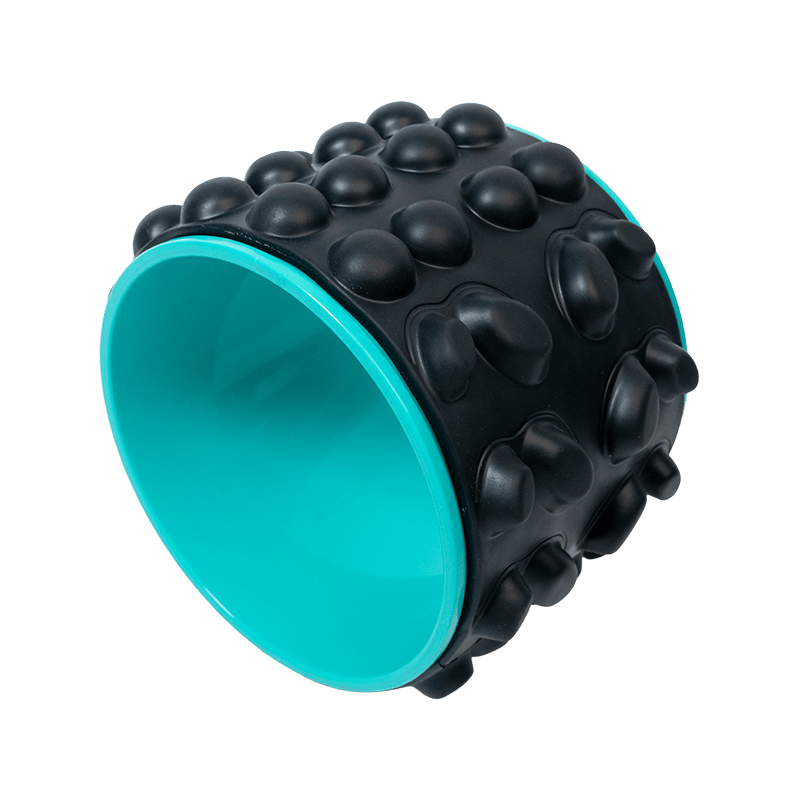
The design of the TPE yoga wheel also plays a critical role in its performance. Most TPE yoga wheels are designed with a comfortable, padded surface to provide support during various yoga poses. The outer surface is often covered with a non-slip material that ensures stability, preventing the wheel from moving unexpectedly during exercises.
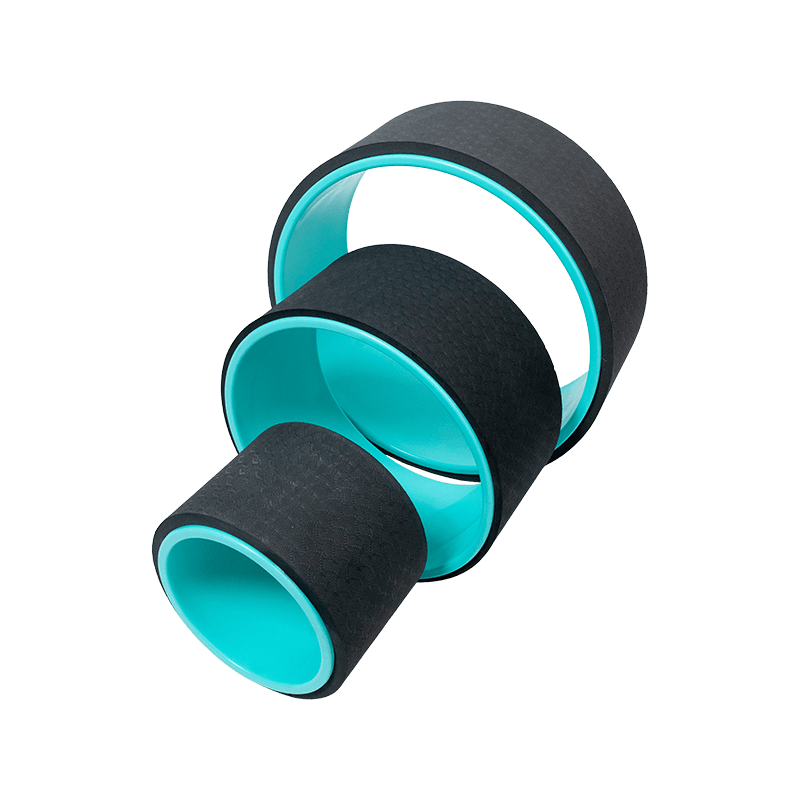
The size and thickness of the wheel vary, with most yoga wheels having a diameter of 12 to 13 inches. Thicker wheels offer more support and comfort, making them ideal for beginners or those with more rigid bodies. Thinner wheels provide a more challenging experience and are typically used by advanced practitioners to deepen their stretches.
| Feature/Attribute | TPE Yoga Wheel | PVC Yoga Wheel | Other Material Yoga Wheels |
|---|---|---|---|
| Material | Eco-friendly TPE, durable, non-toxic, and recyclable | PVC, less flexible, can degrade over time | EVA, rubber, and other materials, each with unique properties |
| Comfort | High elasticity, soft and supportive for long use | Rigid, less comfortable for long stretches | Varies, but typically firmer compared to TPE |
| Weight | Light, easy to carry and transport | Heavier, can feel more substantial | Varies by material (EVA and rubber tend to be heavier) |
| Stability and Grip | Textured, non-slip surface, provides good grip | Less grip, may slip during use | Varies based on the outer surface texture |
| Eco-friendliness | Highly eco-friendly, 100% recyclable | Low environmental impact, not recyclable | Depends on the material used (some are eco-friendly) |
| Durability | Excellent long-lasting, retains shape and function | Can lose flexibility and degrade with prolonged use | Durability varies by material, some can wear out faster |
| Suitability | Ideal for beginners, intermediates, and advanced yogis | Suitable for yogis who prefer firmer support | Best suited for advanced users or those who want a challenge |
Choosing the Right TPE Yoga Wheel for Your Practice
How to Choose the Best TPE Yoga Wheel
When selecting a TPE yoga wheel, there are several factors you should consider to ensure you choose the best option for your individual needs and practice. The ideal yoga wheel will provide you with the right level of support, comfort, and challenge. Here’s what to consider:
-
Size of the Wheel
The size of the yoga wheel is crucial in determining the type of practice it’s best suited for. Most yoga wheels are between 12 and 13 inches in diameter, but the size can vary slightly depending on the brand and model. Larger wheels tend to offer more stability and support, making them ideal for beginners or those focusing on backbends and spinal health. Smaller wheels, typically used by more experienced practitioners, can provide a greater challenge for core and flexibility training. -
Thickness and Firmness
The thickness of the yoga wheel will determine its firmness and level of comfort. A thicker yoga wheel provides more cushion and is often more forgiving on the spine and body, offering a gentle stretch. However, thinner wheels can be better for deepening stretches and engaging your core more effectively, which is useful for more advanced practitioners. -
Material and Grip
The TPE yoga wheel should have a textured surface to ensure proper grip and prevent slipping. While TPE itself provides a high degree of flexibility and durability, the outer material (such as foam or textured rubber) should offer a comfortable yet non-slip surface. This is especially important for practitioners who plan to use the wheel in poses where stability and balance are essential. -
Durability and Weight
A durable yoga wheel made from high-quality TPE material will last longer and maintain its shape, even with regular use. You should also consider the weight of the wheel. Lighter yoga wheels are easier to carry and transport, while heavier wheels might provide more stability for certain exercises. Ensure that the wheel you choose is lightweight enough for you to handle easily, but not so light that it loses its supportiveness. -
Eco-Friendly Certification
One of the main benefits of TPE yoga wheels is their eco-friendly properties. When choosing a wheel, make sure to check if the manufacturer provides information about the sustainability of the product. Look for certifications such as BPA-free and non-toxic, especially if you’re concerned about the environmental impact of the product.
Choosing the Right Wheel for Specific Needs
- For Back Pain Relief: A thicker, larger wheel with ample cushioning is ideal for individuals using the wheel for back pain relief and spinal decompression.
- For Core Strength and Flexibility: A smaller, firmer wheel will challenge your muscles more, making it suitable for core-strengthening exercises and deeper flexibility work.
- For Beginners: Opt for a softer, larger TPE yoga wheel that provides extra support, ensuring a safer and more comfortable experience.
Advanced Techniques for Using the TPE Yoga Wheel
While the TPE yoga wheel can be used by beginners for basic stretching and backbends, it’s also a versatile tool for more advanced yoga practitioners. Once you’ve mastered the basics, the wheel can be incorporated into more challenging exercises that engage the core, improve balance, and deepen flexibility. Let’s explore some advanced techniques and poses you can try with the yoga wheel.
Deep Spinal Stretches
Advanced practitioners often use the yoga wheel to enhance spinal flexibility and decompress the vertebrae. Here’s a technique for a deep backbend with the wheel:
- Place the yoga wheel behind your back while lying down.
- Gently arch your back, allowing your spine to roll over the wheel.
- Keep your feet firmly planted on the ground, ensuring your body stays stable as you allow the wheel to support your back.
- Hold the pose for 30 seconds to 1 minute, breathing deeply to open up the chest and stretch the back.
This advanced backbend improves spinal health and can relieve tension accumulated from sitting or standing for long periods. The TPE yoga wheel allows for a deeper stretch without straining the muscles.
Core Strengthening Poses
The TPE yoga wheel is also a fantastic tool for engaging the core muscles. Here’s how you can use it to perform core-strengthening exercises:
- Plank Pose with Yoga Wheel: Start in a high plank position with your hands on the yoga wheel. Roll the wheel forward as you engage your core, bringing your body into a more intense plank position. Hold for 30 seconds and roll back to starting position.
- Leg Lifts with Yoga Wheel: Lie flat on your back and place the yoga wheel under your calves. Slowly lift your legs off the ground, using the wheel to add resistance. This will engage the lower abdominal muscles and improve core strength.
These exercises help strengthen the abdominal muscles, improve balance, and add variety to your workout.
Balance and Stability Training
One of the more advanced applications of the yoga wheel is using it to challenge your balance. By performing balance poses with the wheel under your hands or feet, you engage stabilizing muscles and improve overall coordination. Try holding a Warrior III pose with one foot on the yoga wheel, or try doing a plank with your feet on the wheel.
TPE Yoga Wheel Maintenance and Care
To ensure your TPE yoga wheel lasts for years to come, it’s essential to properly maintain and care for it. The durable nature of TPE makes it a long-lasting material, but regular maintenance will help keep your wheel in optimal condition.
Cleaning Your TPE Yoga Wheel
- Wipe Down After Each Use: After each practice, use a damp cloth to wipe off any sweat or dirt that may have accumulated on the wheel. This will prevent the build-up of bacteria and ensure that the wheel remains clean and hygienic.
- Deep Cleaning: For a more thorough clean, use a mixture of mild soap and water. Wipe the surface with a soft sponge and allow the wheel to air dry. Avoid using harsh chemicals or abrasive cleaning tools, as this could damage the material.
Storage Tips
To prolong the life of your yoga wheel, store it in a cool, dry place away from direct sunlight. Excessive heat can cause the TPE material to degrade over time. Also, try not to drop or subject the wheel to sudden impacts, as this may damage its structural integrity.
Common Issues and Troubleshooting
- Slippery Surface: If you find the surface of your TPE yoga wheel becoming slippery, try wiping it down with a mixture of water and baking soda to restore the texture and grip.
- Cracks or Deformation: If the wheel begins to show signs of wear, such as cracking or deforming, it may be time to replace it. Ensure you choose a high-quality brand to avoid premature damage.
Conclusion: Unlocking the Full Potential of Your TPE Yoga Wheel
The TPE yoga wheel is more than just a prop for backbends—it’s a versatile tool that enhances every aspect of your yoga practice. Whether you’re using it for flexibility, core strengthening, or back pain relief, a TPE yoga wheel can help you deepen your stretches, improve spinal health, and develop a stronger core.
By understanding how to choose the right yoga wheel, incorporating it into your practice, and properly maintaining it, you can ensure that your TPE yoga wheel becomes an indispensable part of your yoga routine for years to come.
FAQ
1. What is the difference between TPE and PVC yoga wheels?
TPE yoga wheels are made from an eco-friendly, durable material that is non-toxic, while PVC wheels are typically cheaper but less flexible and environmentally friendly.
2. How do I use the TPE Yoga Wheel for back pain relief?
You can use the TPE yoga wheel for gentle spinal stretches, backbends, and decompression techniques to alleviate tension and improve spinal alignment.
3. Can beginners use the TPE Yoga Wheel?
Yes, the TPE yoga wheel is suitable for beginners, especially when choosing a larger, softer wheel for extra support during stretching.
4. How do I clean and maintain my TPE Yoga Wheel?
Regularly wipe down the wheel with a damp cloth and perform deep cleaning with mild soap and water as needed. Store it in a dry, cool place.
5. Can the TPE Yoga Wheel help improve core strength?
Absolutely! The TPE yoga wheel is excellent for core-strengthening exercises, such as plank variations and leg lifts, which engage the abdominal muscles.