

 English
 日本語
 Español

A standard 61 x 173 cm yoga mat in 6 mm foamed TPE weighs about 1.1 kg. The same footprint in PVC starts above 2 kg, and natural rubber lands heavier still. That gap explains why thermoplastic elastomer yoga mats now dominate the entry and mid-range market, and it frames the questions buyers actually ask: is the material safe, does grip survive a sweaty class, and how do you spot a well-made mat before you commit to an order?
We look at the material from the factory floor. Our plant in Zhangjiagang, Suzhou Apex Sports Goods Co., Ltd., molds TPE into yoga wheels, foam rollers, massage balls and resistance bands for buyers across North America, Europe, Japan and Korea. We do not produce mats ourselves, but the compounds, foaming process and safety reports behind a TPE yoga mat belong to the same material family we run every day. This guide covers what matters from that side of the bench: what TPE is, where it beats PVC and rubber, where it honestly fails, and how to vet a mat and its supplier.
What Is a Thermoplastic Elastomer (TPE) Yoga Mat?
A TPE yoga mat is a mat built from thermoplastic elastomer, a polymer family that stretches and cushions like rubber but melts and re-forms like plastic. That one property explains how the sheet is foamed, why production offcuts can be re-ground and reused, and why a new TPE mat smells like almost nothing.
Definition Thermoplastic elastomer (TPE) is a polymer blend that behaves like vulcanized rubber at room temperature but softens and can be re-molded when heated, because its phases are physically mixed rather than chemically cross-linked.
In production the resin is foamed into a closed-cell sheet, and most TPE mats are built as two laminated layers: a softer, tackier top for hands and knees, and a firmer base texture for floor grip. Closed-cell means the pores are sealed, so sweat sits on top instead of soaking in. Quality formulations contain no PVC, no latex, no phthalates and no heavy metals such as lead.
- Closed-cell foamed construction, so liquids never absorb into the core
- Two-layer lamination with different textures on the practice side and the floor side
- A formulation free of PVC, latex, phthalates and heavy metals
- Soft-grade hardness tuned for joint cushioning without bottoming out
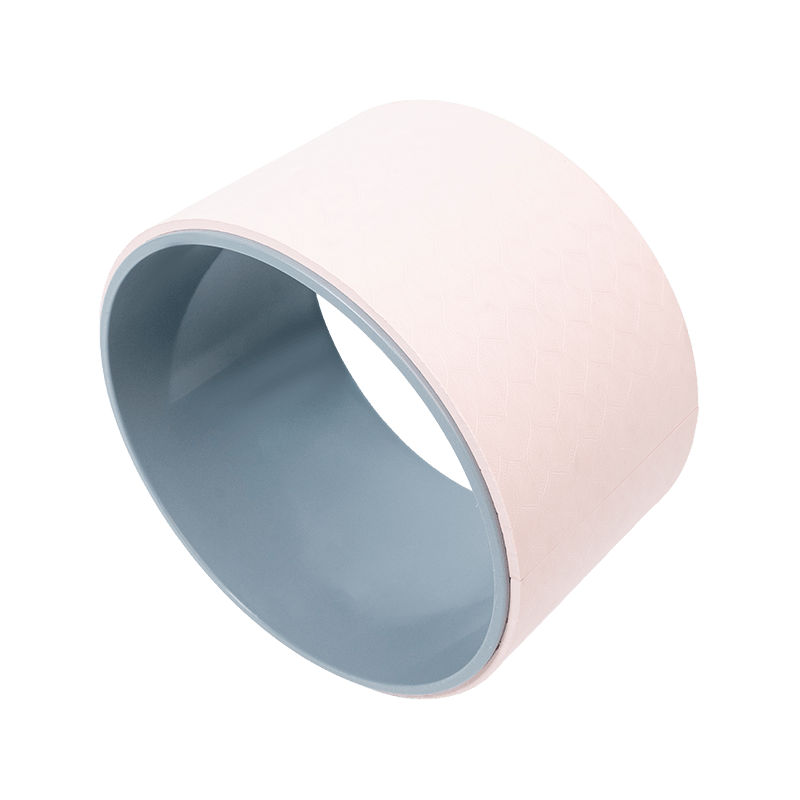
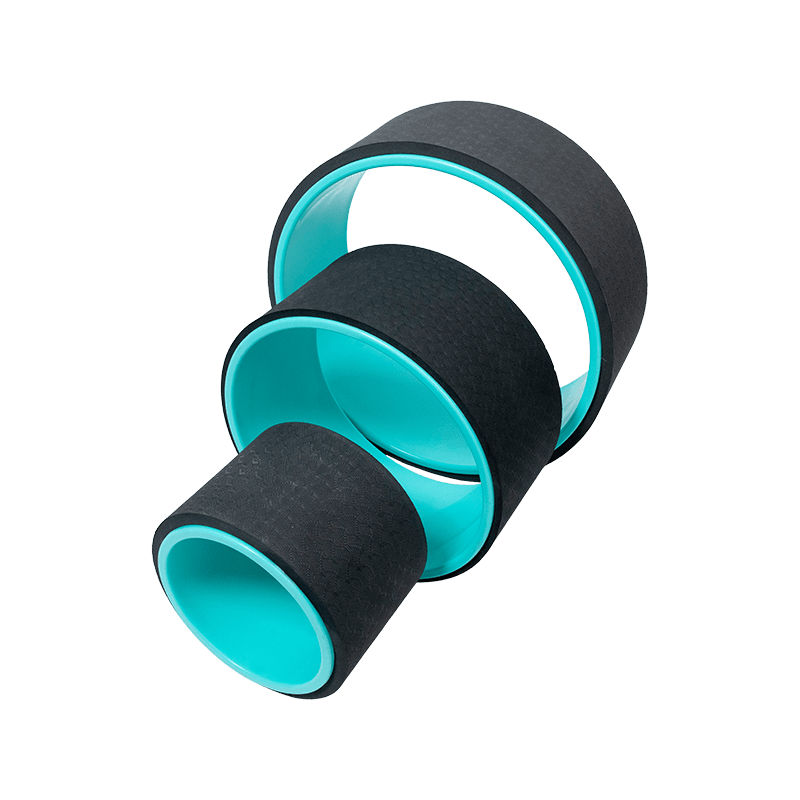
The same compound scales across product types through hardness grades. A firmer grade gives a back-bending wheel its shape, which is why the surface of a well-made wheel feels related to a good mat. We break those grades down in our TPE yoga wheel material guide.
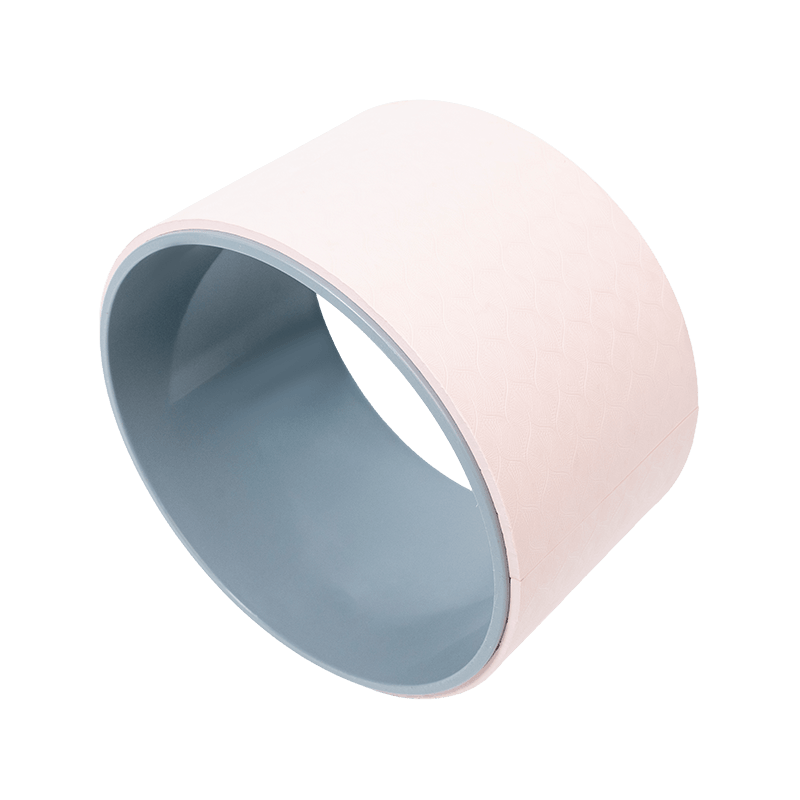 TPE Standard Back Stretch Yoga WheelThis yoga wheel is an ideal choice for both studio and home practices. Featuring a PP core and a TPE eco-friendly outer layer, the 1600-gram balanced design ensures bo...View Product →
TPE vs PVC vs Natural Rubber: The Comparison Buyers Actually Need
For most home and studio users, TPE wins on weight, odor and material safety, natural rubber wins on wet grip, and PVC wins only on sticker price. The table condenses the details that decide purchases, and the chart shows the weight story at a glance.
| Property | TPE | PVC | Natural rubber |
| Typical 6 mm mat weight, 61 x 173 cm | 1.0 to 1.2 kg | 2.0 to 2.4 kg | 2.3 to 2.8 kg at 4 to 5 mm |
| Grip when dry | Good | Good | Excellent |
| Grip when wet or sweaty | Drops sharply | Drops sharply | Holds up best |
| Hot yoga suitability | Poor | Poor to fair | Good |
| Unboxed odor | Minimal | Noticeable | Distinct rubber smell |
| PVC-free and latex-free | Yes | No | Latex risk for some users |
| Production scrap | Re-meltable and reusable | Downcycled at best | Difficult to reprocess |
Typical mat weight by material, standard 61 x 173 cm size
Where TPE Yoga Mats Fall Short: Wet Grip, Heat and Durability
TPE is the wrong material for hot yoga and heavy sweating, and no cleaning routine fully fixes it. The sealed pores that keep the mat hygienic also leave the surface smooth: when sweat forms a film on closed-cell TPE, grip drops sharply. Natural rubber, with its more open porous texture, stays secure in the same conditions.
Heat is the second limit. TPE softens as it warms, and a mat left in a closed car on a summer afternoon, where cabin air can pass 70 degrees Celsius, can take a permanent curl from the roll. Durability is the third: TPE abrades sooner than rubber or dense PVC, so expect visible wear where toes drag through transitions. Plan on 12 to 24 months of daily practice before the top layer looks tired.
- Light enough to carry to class every day
- Free of PVC, latex and phthalates
- Closed-cell surface wipes clean and dries fast
- Low odor straight out of the box
- Wet grip drops once sweat builds up
- Poor match for hot room practice
- Top layer abrades sooner than rubber
- Budget two-layer mats can delaminate at the edges
How to Evaluate a TPE Yoga Mat and Its Supplier Before You Order
Judge the mat on measurable specs and the supplier on documents. Product photos hide the two failures that actually matter in TPE: inconsistent foam density and weak lamination between layers.
Pairing a TPE Mat with Accessories from the Same Material Family
A TPE mat behaves best inside a kit built from matched TPE grades, because hardness, tack and temperature behavior stay consistent across your props. One polymer covering massage, support and resistance work is exactly why the hardness range matters.
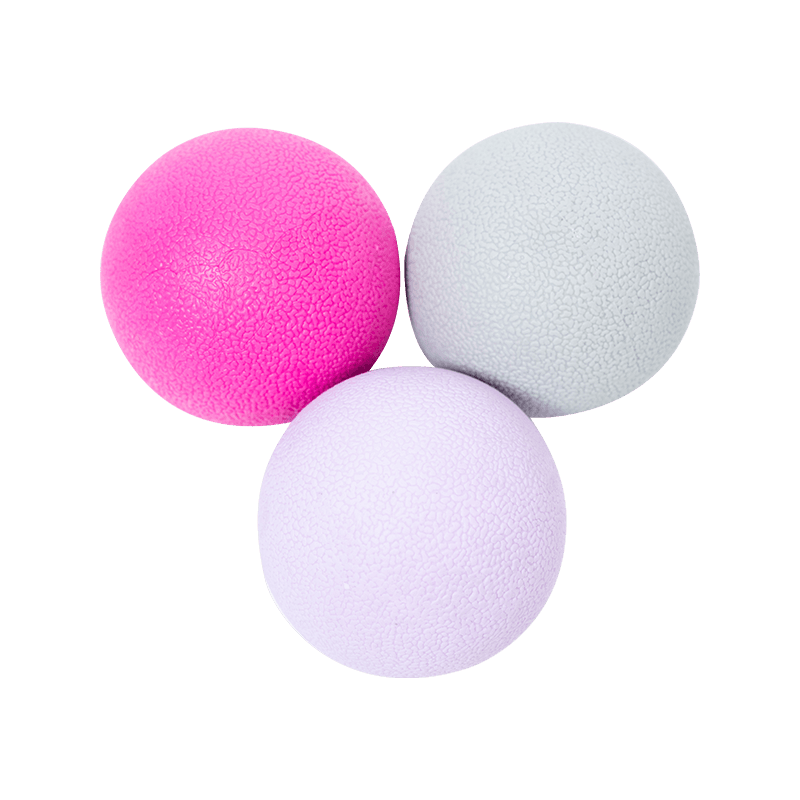
At the soft end, gel-like grades give a massage ball its slow, yielding press for plantar fascia work and shoulder release.
 TPE Standard Round Fascia Massage BallAs a classic fascia release tool, the 62 mm diameter ball conforms to the palm’s grip mechanics, allowing precise pressure on localized pain points such as the soles, ...View Product →
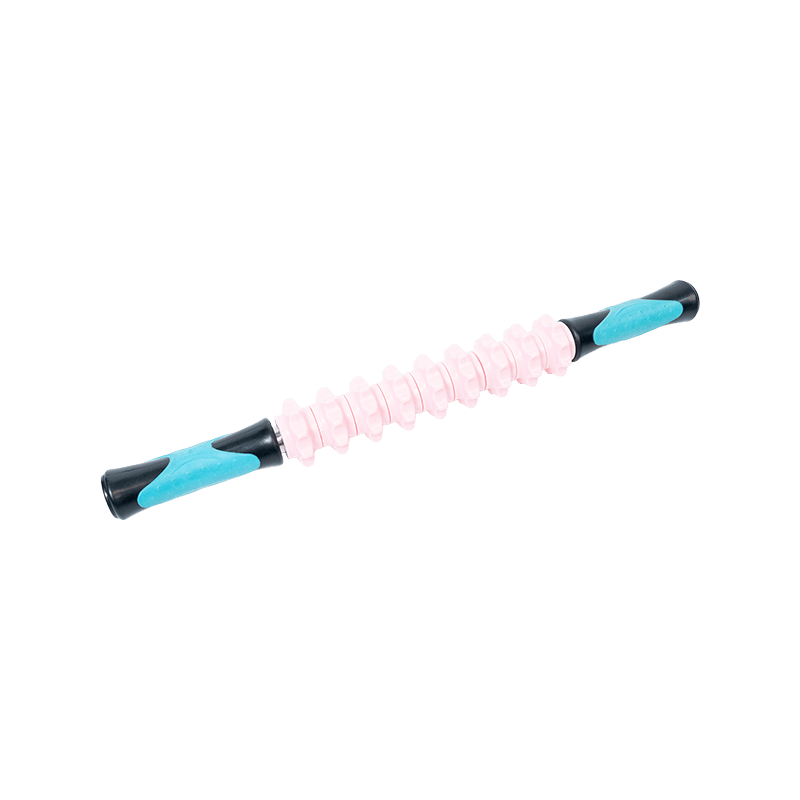
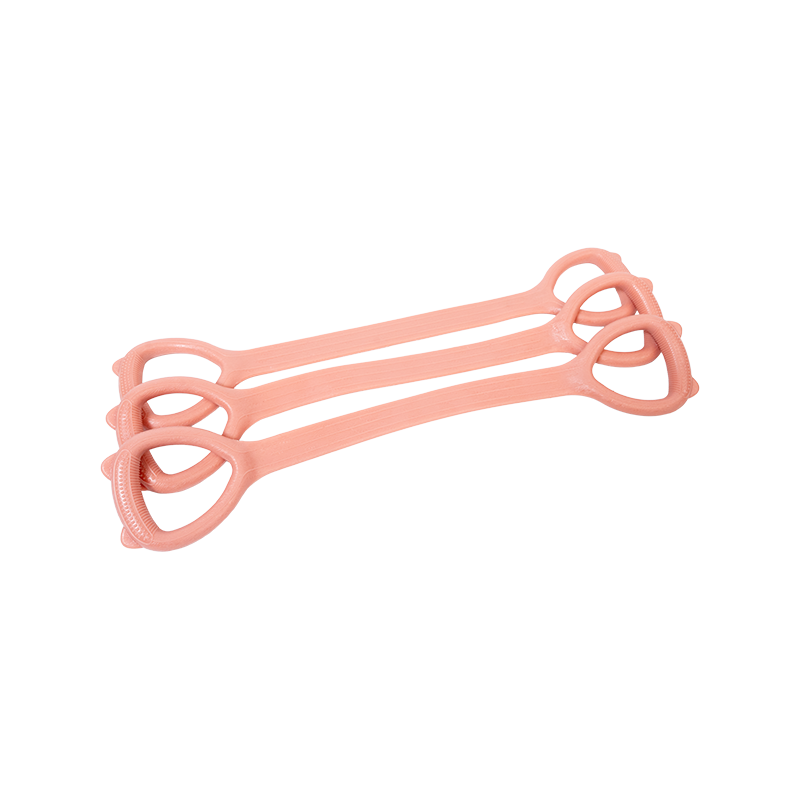
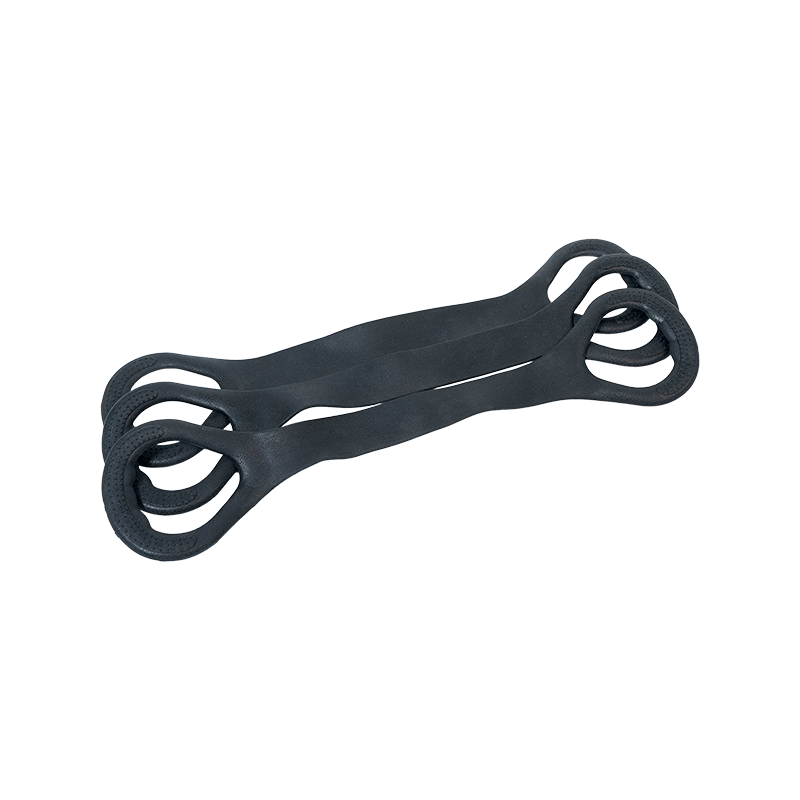
At the firm end, high-recovery grades hold a resistance band's snap and a wheel's shape under body weight. Matching props from one supplier also means one set of safety reports instead of three. Browse our muscle release tools to see soft and firm TPE grades side by side.
 TPE Strong Figure-8 Training BandThe figure-8 training band is molded from high-elastic TPE and designed to be ultra-lightweight while providing excellent tensile strength and rebound. Its ergonomic d...View Product →
Cleaning and Care in Four Steps
TPE mats need mild soap, water and shade, and nothing more aggressive than that.
- Wipe the surface with a soft cloth, warm water and a drop of mild soap after sweaty sessions.
- Skip alcohol, bleach and solvent wipes, which dry and craze the sealed surface.
- Air dry flat or draped in shade, since months of direct sun harden the top layer.
- Roll with the practice side facing out and store away from heat so the sheet keeps its flat memory.
TPE Yoga Mat FAQ: Straight Answers Before You Buy
Is a thermoplastic elastomer yoga mat safe for daily practice?
Quality TPE mats are formulated without PVC, latex, phthalates or added lead and cadmium, and the closed-cell surface off-gasses very little, so there is no lingering chemical smell. Confirm it with a third-party test report that names the exact model you are buying.
Why does my TPE yoga mat get slippery when I sweat?
The closed-cell surface is sealed, so sweat forms a thin lubricating film instead of soaking in. Place a cotton towel over the mat for hot or sweaty sessions, keep your palms dry, or choose natural rubber if heated rooms are your main practice.
How long does a TPE yoga mat last?
Plan on 12 to 24 months of daily practice before the top layer looks worn. Cushioning and dry grip hold up well across that span; surface abrasion at the toe drag marks is usually what retires the mat first.
Is TPE really more eco-friendly than PVC?
Yes, in two concrete ways. The formulation avoids PVC and its plasticizer chemistry, and production scrap is thermoplastic, so offcuts can be re-ground and reused rather than landfilled. TPE is not biodegradable, so recyclability rather than compostability is the honest claim.