

 English
 日本語
 Español

A sample box lands on a buyer's desk: a soft massage ball stamped with recycling code 3, a thermoplastic elastomer (TPE) yoga wheel, and a foam roller with a rigid plastic core. The first question in the review meeting is always the same: is PVC safe? It deserves a precise answer, because polyvinyl chloride is one of the highest-volume plastics on earth and sits inside everything from water pipes to gym accessories. This guide splits the problem into the parts that matter: which PVC formulations raise concern, which regulations set the limits, and how buyers can verify safety claims before an order is placed.
Is PVC Safe? The Answer Depends on the Formula, Not the Resin
For adult fitness and wellness products, PVC that passes recognized content and migration tests is generally regarded as safe, while the documented risks cluster in cheap, untested, flexible formulations. Treating PVC as one single material is the most common evaluation mistake, because the resin is only the starting point.
Polyvinyl chloride (PVC) is a thermoplastic polymer produced by polymerizing vinyl chloride monomer. Pure PVC resin is rigid and chemically stable; flexible PVC exists only because manufacturers blend in plasticizers, stabilizers, and other additives, and it is that additive package which defines the safety profile of a finished product.
The two branches behave differently. Rigid PVC, often labeled unplasticized PVC (uPVC), carries almost no plasticizer and is the material of certified water pipes and hard structural cores. Flexible PVC appears wherever a product must squish or grip, such as massage ball shells and soft handles. Vinyl chloride monomer itself is classified by the International Agency for Research on Cancer as a Group 1 human carcinogen based on occupational exposure, which is why residual monomer in finished goods is regulated to trace levels; properly processed resin leaves only minute residues.
Where PVC Shows Up in Fitness and Wellness Equipment
In training gear, PVC appears in two very different roles, rigid load-bearing cores and soft grippy covers, and each role carries a different exposure profile.
- Structural cores and inner tubes that sit beneath a softer skin material
- Soft shells and covers on massage balls and grip tools
- Handle sleeves, jump rope grips, and anti-slip pads
- Protective packaging films and blow-molded fittings
The material is inexpensive, takes color well, and molds easily, which keeps it a default choice for budget product lines. The chart below shows why PVC is hard to avoid: only polyethylene and polypropylene are produced at higher volumes worldwide.
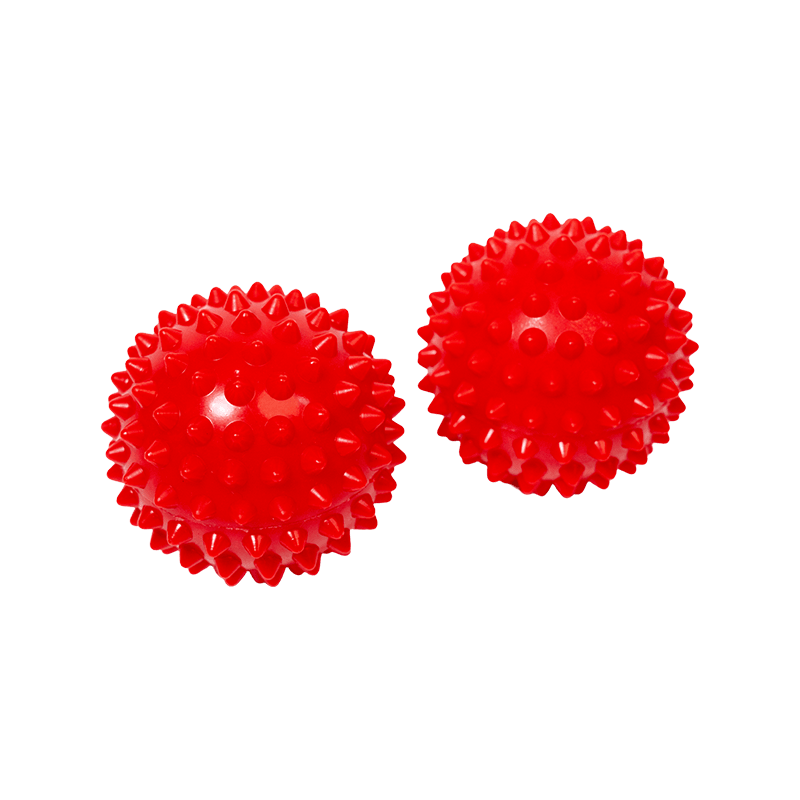
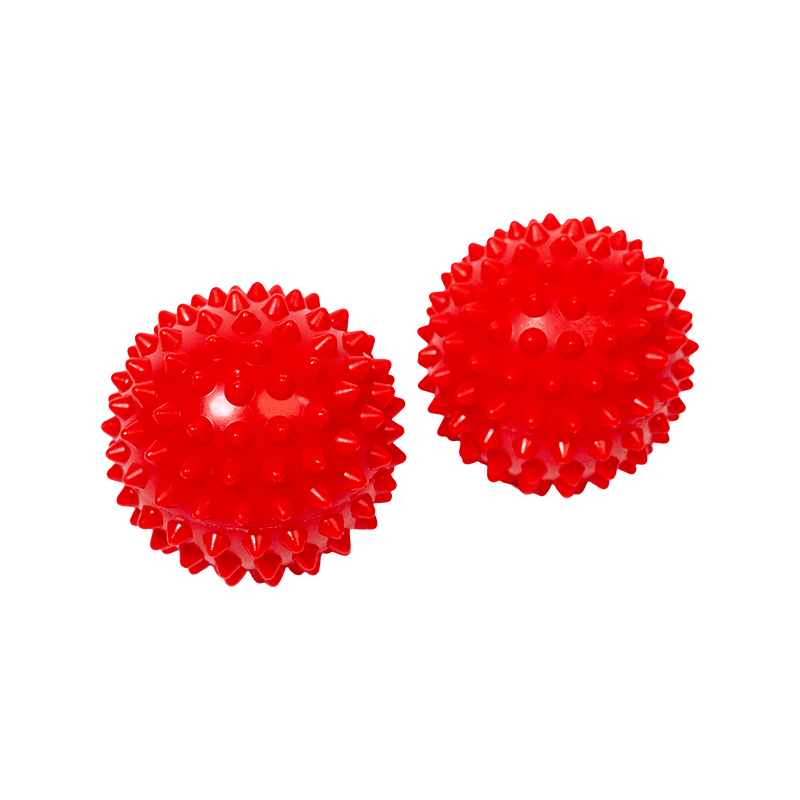 PVC Soothing Massage BallThe evenly distributed rounded nodules on the PVC massage ball provide gentle, widespread surface stimulation during rolling, promoting local blood circulation and lym...View Product →
A compliant soft PVC ball built for adult use is a different risk object from an uncertified children's teether, and the difference lives in paperwork, not in the feel of the material.
What Makes Flexible PVC Risky: Phthalates, Lead, and Migration
The health concerns attached to PVC products trace almost entirely to additives: phthalate plasticizers flagged as endocrine disruptors, and legacy stabilizers built on lead or cadmium. Phthalates keep flexible PVC bendy, and several of them are suspected endocrine disruptors, which is why regulators moved to hard concentration limits instead of advisory labels. Older stabilizer chemistry used lead and cadmium salts; reputable compounders switched to calcium-zinc systems years ago, but gray-market material still surfaces in low-cost supply chains.
Migration rises with heat, sunlight, long contact time, and fatty contact, so a sticky, shiny, or discolored surface on an old soft PVC item is a visible signal that additives are leaving the polymer matrix.
Limits refer to the US Consumer Product Safety Improvement Act as enforced by the Consumer Product Safety Commission (CPSC) since 2018, and to Annex XVII entry 51 of the EU Registration, Evaluation, Authorisation and Restriction of Chemicals (REACH) regulation, applicable to plasticised articles since July 2020.
Is PVC Safe for Skin Contact? Rigid Cores vs Soft Covers
Brief, dry skin contact with a compliant flexible PVC product is low risk for healthy adults; concern scales up with mouthing, children, long contact times, and unknown formulations. A rigid core wrapped in foam barely touches skin at all, so its chemistry matters less than its mechanical quality. A soft shell held for twenty minutes a day deserves the documentation described in the next section. Sweat is mostly water and a weak extraction solvent, but friction heat nudges migration upward, so wiping gear down after sessions is cheap insurance.
Generally lower concern
- Rigid cores and fittings fully enclosed under a softer skin
- Adult tools shipped with third-party test reports
- Short, dry hand contact during training
Verify before you buy
- Anything a child may chew or mouth
- Strong chemical smell straight out of the box
- Sticky or discolored surfaces on older items
- Suppliers who cannot name the stabilizer system
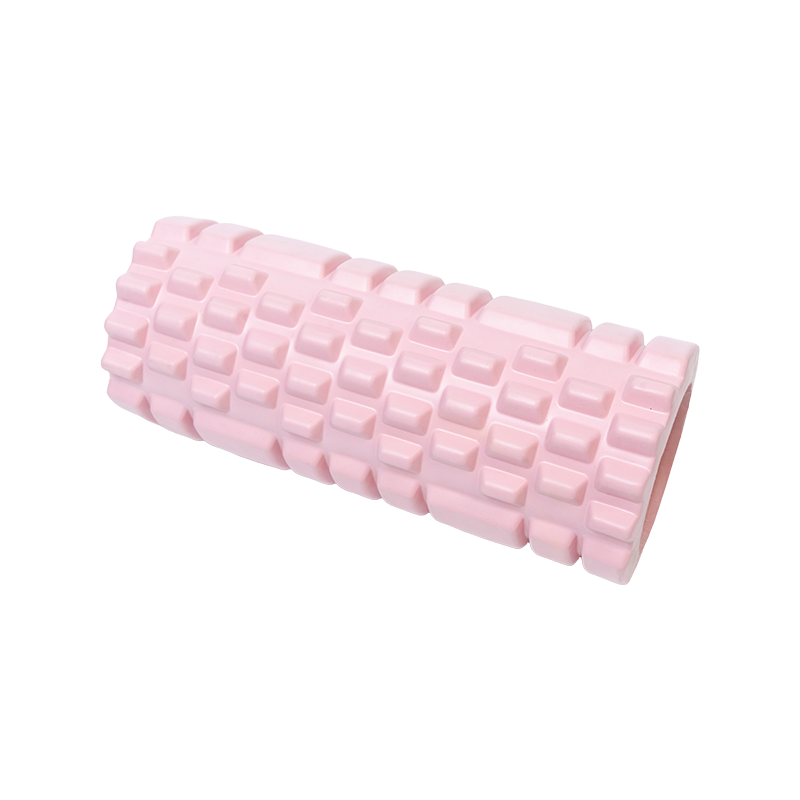
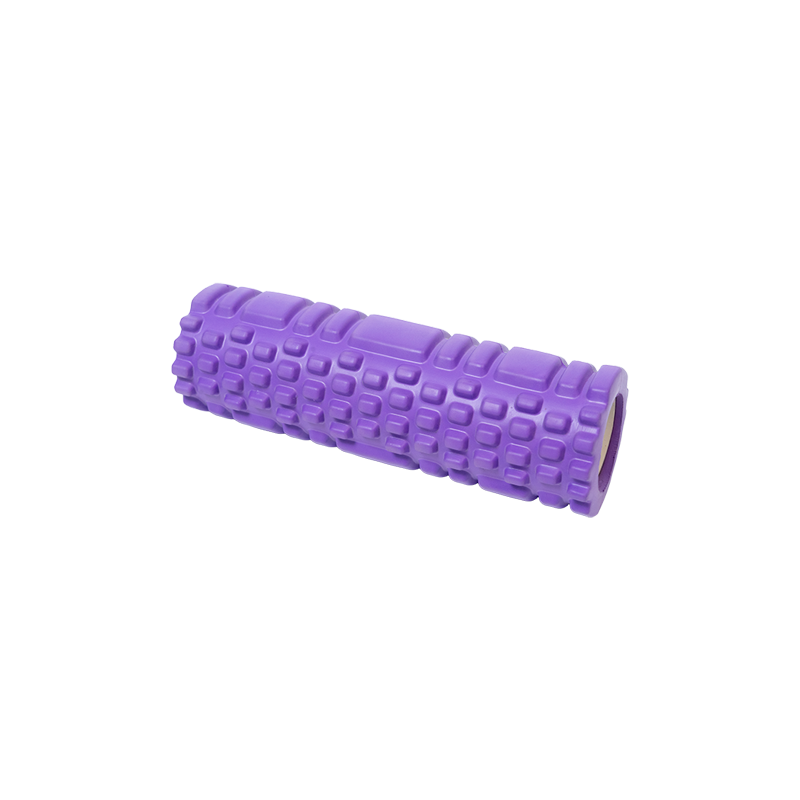
Layered construction sidesteps the question entirely. This roller pairs a rigid polypropylene core with a textured EVA skin, so the soft layer that meets the user contains no PVC at all.
 Crescent Flat Balance Foam Roller - 14x33cm (EVA Texture/PP Inner Tube)This innovative design alternates continuous massage points with unique crescent-shaped smooth areas. The smooth areas aren’t functional voids but act as intelligent "...View Product →
How to Verify a Supplier's PVC Safety Claims Before Ordering
Treat phrases like eco-friendly or non-toxic as claims, not evidence, and demand documents tied to the exact SKU and colorway you are buying. The four steps below turn that principle into a repeatable purchasing routine.
Map the rules for your destination market
The CPSIA governs US children's products, REACH entry 51 governs plasticised articles in the EU, and California Proposition 65 drives warning requirements.
Request third-party reports on the exact material
Labs such as SGS, Intertek, and TUV test named SKUs. Pigments can carry heavy metals, so reports must cover the colorway, not just the base compound.
Check scope, dates, and match
A usable report covers phthalates plus lead and cadmium, was issued within roughly 12 months, and names the compound on your purchase order.
Retain samples and re-test per batch
Keep a sealed sample from every production run for ongoing OEM programs, because compound substitutions happen quietly.
Material decisions reshape whole product lines. For a worked example of how one substitution changes feel, cost, and compliance, see our TPE yoga wheel material guide.
PVC vs TPE vs EVA: What Changes When You Switch Materials
Moving from flexible PVC to TPE removes the plasticizer question altogether, at the price of higher raw material cost and tighter processing windows. The table below condenses the trade-offs that matter to buyers of massage balls, yoga wheels, and similar accessories.
| Property | Flexible PVC | TPE | EVA |
| How softness is achieved | Liquid plasticizers blended into the resin | Softness engineered into the polymer blend | Foamed structure from blowing agents |
| Plasticizer migration risk | Present if formulation is non-compliant | Essentially none | Essentially none |
| Typical feel | Dense, slick to tacky | Soft, skin-like rebound | Light and cushioned |
| Regulatory scrutiny | Highest of the three | Moderate | Low |
| Relative material cost | Lowest | Highest | Mid-range |
| Best fit | Budget lines and rigid cores | Premium balls and wheels | Rollers and padded surfaces |
For buyers who want the plasticizer question closed at the specification stage, a TPE fascia ball is the direct substitute in the same size class.
 TPE Standard Round Fascia Massage BallAs a classic fascia release tool, the 62 mm diameter ball conforms to the palm’s grip mechanics, allowing precise pressure on localized pain points such as the soles, ...View Product →
Recovery programs built around larger tools face the same material questions, and the fascia rolling products range shows the mainstream alternatives in one place.
Frequently Asked Questions About PVC Safety
Is PVC safe in drinking water pipes?
Certified rigid PVC pipe has about 70 years of documented service in municipal water systems and is approved under standards such as NSF/ANSI 61, with industry groups reporting more than one million miles of PVC water mains installed in North America. Specify certified products and follow solvent-weld curing instructions.
Is PVC safe for babies and children?
Apply the strictest standard here. Flexible PVC that a child can mouth should carry documented compliance with CPSIA phthalate limits in the US and with EN 71 and REACH in Europe. No reports means no order.
Does PVC contain BPA?
No. BPA is a building block of polycarbonate plastic and epoxy resins, not of PVC. The additives flagged in PVC are phthalate plasticizers and heavy-metal stabilizers, so a BPA-free label on a PVC product says nothing about its plasticizer package.
How can I tell if a product contains PVC?
Look for recycling code 3 or the letter V inside the chasing arrows symbol, request the material specification sheet, and use touch as a rough screen: flexible PVC feels dense and slightly tacky with a faint chemical smell, while TPE rebounds faster and feels warmer to the hand.