

 English
 日本語
日本語 Español
Yoga Wheel Buying Guide: How to Choose, Use, and Care for Yours
A yoga wheel opens up stretches and backbends that are hard to reach safely on your own, offering support through the deepest part of a pose while building flexibility and control over time. This guide covers how to pick the right size, use it safely for common problem areas, and keep it in good condition.
How to Choose a Yoga Wheel
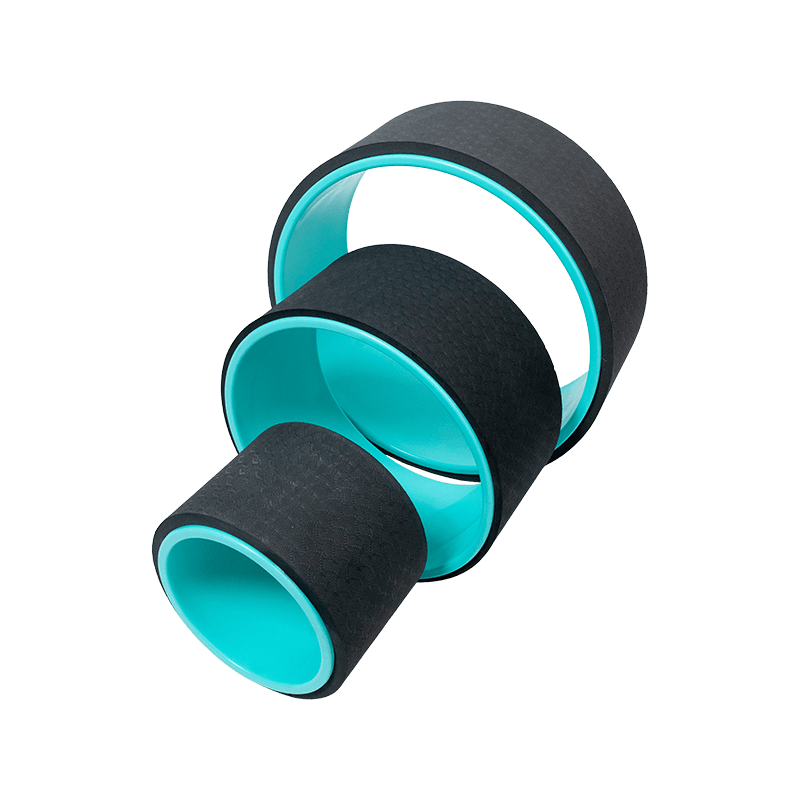
Choosing a yoga wheel comes down to three factors: diameter, padding, and weight capacity. Diameter determines how deep a stretch the wheel allows — smaller wheels create a deeper backbend, while larger wheels offer a gentler curve better suited to beginners.
Yoga Wheel Size Guide
| Diameter | Stretch Depth | Best For |
|---|---|---|
| 6"-9" | Deep, intense curve | Experienced practitioners with established flexibility |
| 10" | Moderate, balanced curve | Most users, general stretching and stability work |
| 12"-13" | Gentle, shallow curve | Beginners and those easing into backbends |
Yoga wheel diameter and how it affects stretch depth and suitability.
Padding thickness also matters for comfort against the spine — thicker padding suits longer holds and sensitive backs, while firmer padding gives more stability for balance work. Weight capacity should comfortably exceed your body weight, since the wheel supports significant load during backbends.
Yoga Wheel for Beginners
Starting Point
If you're new to using a yoga wheel, start with a larger diameter (12"-13") and keep sessions short. Begin seated with the wheel supporting your lower or mid back before progressing to full backbends, and always keep a wall or soft surface nearby until you're confident with balance and control.
How to Use a Yoga Wheel
Most yoga wheel exercises follow the same basic principle: let the wheel support your body weight while you roll into and out of a stretch slowly, rather than dropping into the deepest position immediately. Common starting points include:
- Seated backbend: sit in front of the wheel, walk your hands back over it while it supports your spine.
- Standing balance: place a foot or hand on the wheel to build core and ankle stability.
- Assisted stretch: use the wheel under the hips, shoulders, or feet to deepen a seated or supine stretch.
Yoga Wheel Exercises for Back Pain and Beyond
Back & Spine Stretch
Rolling the spine slowly over the wheel helps release tension along the length of the back.
Lower Back Pain
Gentle support under the lumbar area can ease tightness from prolonged sitting.
Upper Back & Shoulder
Positioning the wheel between the shoulder blades opens the chest and upper spine.
Hip Flexor Stretch
Using the wheel under the hips in a lunge position deepens the hip flexor release.
Yoga wheel for lower back pain and yoga wheel for upper back pain routines both rely on the same principle — using the wheel's curve to gently extend the spine rather than forcing a stretch — but the placement of the wheel changes depending on which area needs the most support.
Yoga Wheel for Flexibility, Posture, and Balance Training
Consistent use of a yoga wheel for flexibility work gradually increases range of motion in the spine, shoulders, and hips, since the wheel provides just enough support to hold a stretch longer than most people can unassisted. For posture improvement, backbend work over the wheel counteracts the forward-rounded position common from desk work, while standing or seated balance drills on the wheel build the core stability that supports better posture throughout the day.
Sample Yoga Wheel Stretching Routine
Common Yoga Wheel Mistakes
What to Avoid
- Rushing into deep backbends before building enough spinal flexibility and core control.
- Using the wrong diameter for your current flexibility level, especially starting too small.
- Skipping a warm-up before attempting deeper stretches over the wheel.
- Practicing on an unstable or slippery surface without a mat underneath the wheel.
- Ignoring pain signals — mild stretch sensation is normal, sharp pain is not.
How to Clean and Store a Yoga Wheel
Most yoga wheels can be wiped down with a damp cloth and mild soap after use, since sweat and oils can gradually break down the padding and grip surface over time. Avoid submerging the wheel or using harsh solvents, which can degrade the foam padding or outer coating. For storage, keep the wheel away from direct heat or sunlight, which can cause the material to warp or crack, and store it flat or upright in a cool, dry space rather than compressed under other equipment.