

 English
 日本語
日本語 Español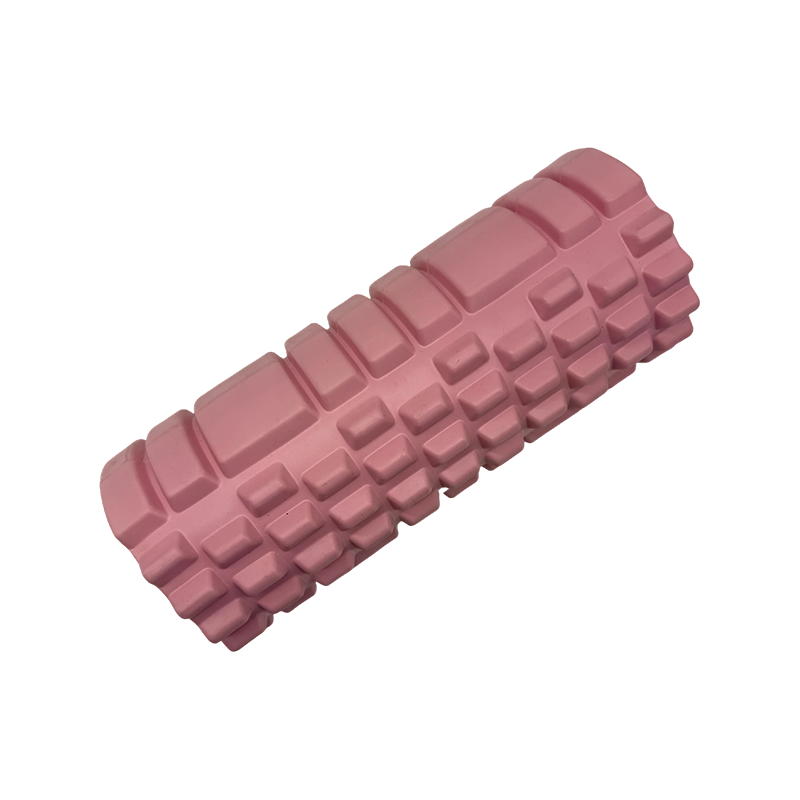
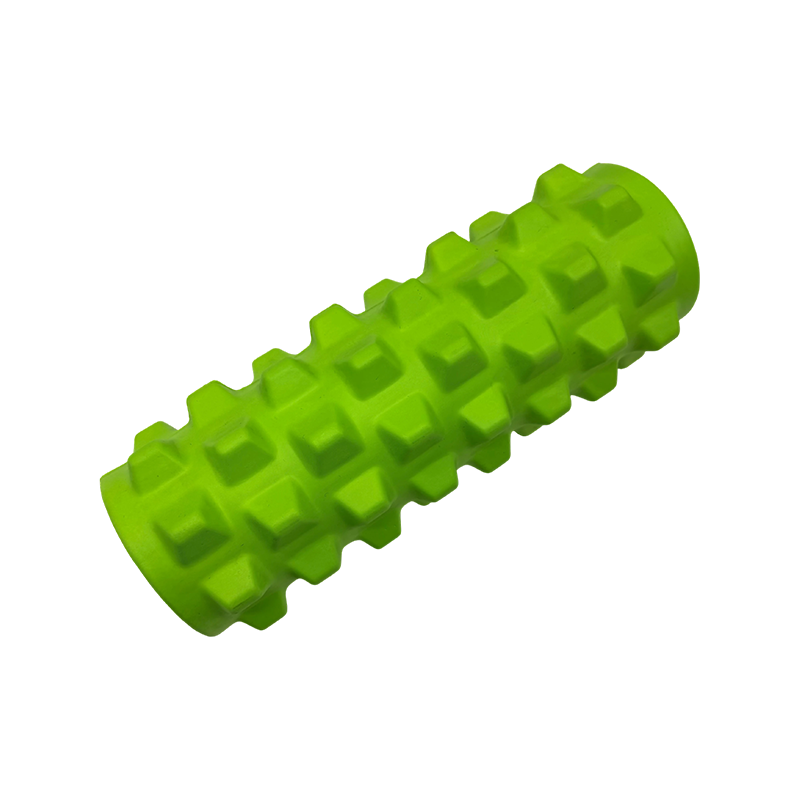
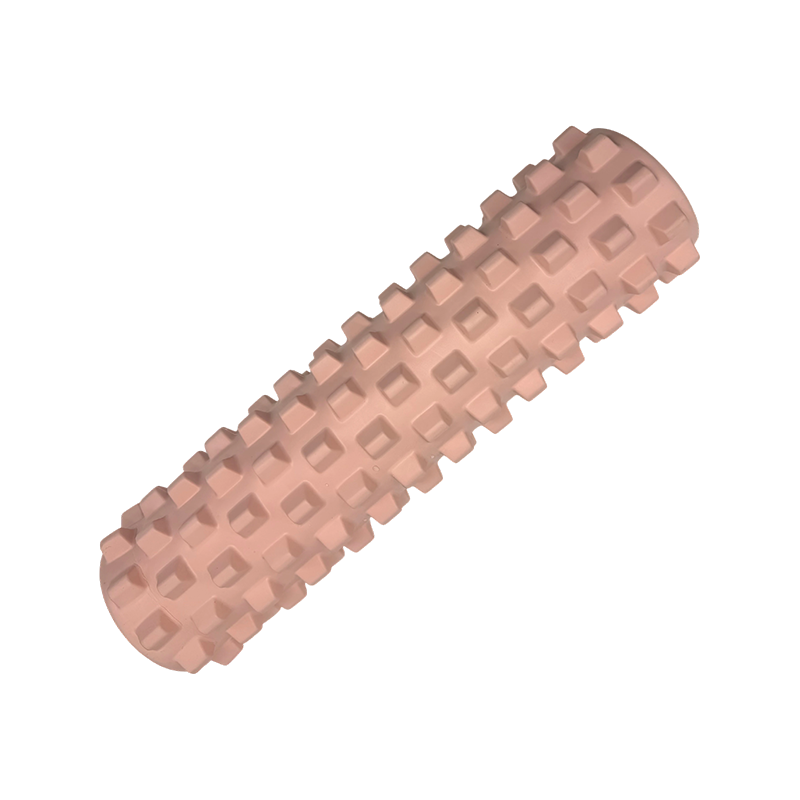
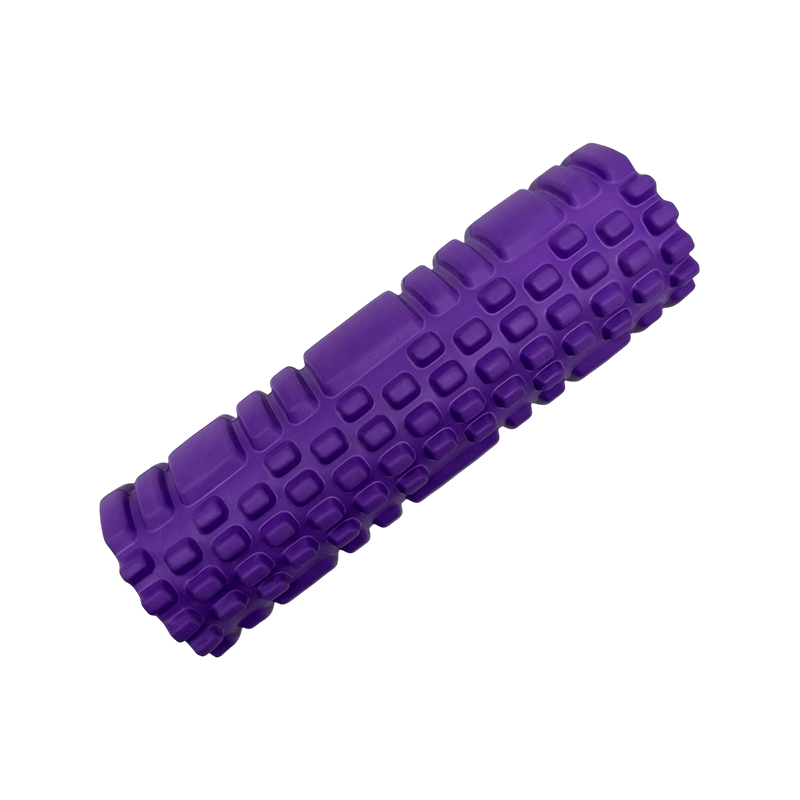
Suzhou Apex Sports Goods Co., Ltd. is China Custom Fitness Yoga Column Foam Roller Manufacturers and OEM/ODM Muscle Massage Foam Roller Factory, established in June 2015, with a factory covering an area of 3,000 square meters, located in the beautiful riverside city - Zhangjiagang. Our company mainly produces indoor fitness sports goods and yoga products. Our main products include yoga wheels, yoga rings, massage sticks, fascia balls, leg clamping massagers, etc. Besides developing standard products, we also offer OEM & ODM services, customizing LOGOs and packaging according to customers' requirements. We provide different products and designs based on the needs of different customers. We have a professional sales team to handle customers' demands. Our products are exported to many countries, such as North America, Japan, South Korea, Germany, Vietnam, etc. and have gained recognition from many customers. Our vision is to become one of the competitive suppliers in China. We are customer-centered, which is why most customers choose us. We offer Exercise Foam Roller for sale.

Custom Fitness Yoga Foam Roller Manufacturers
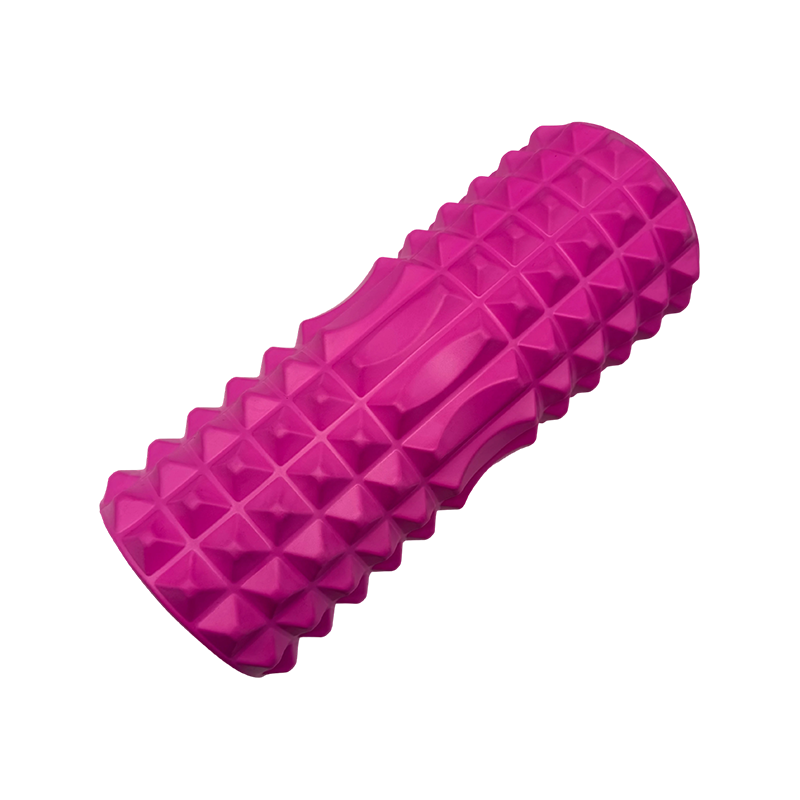
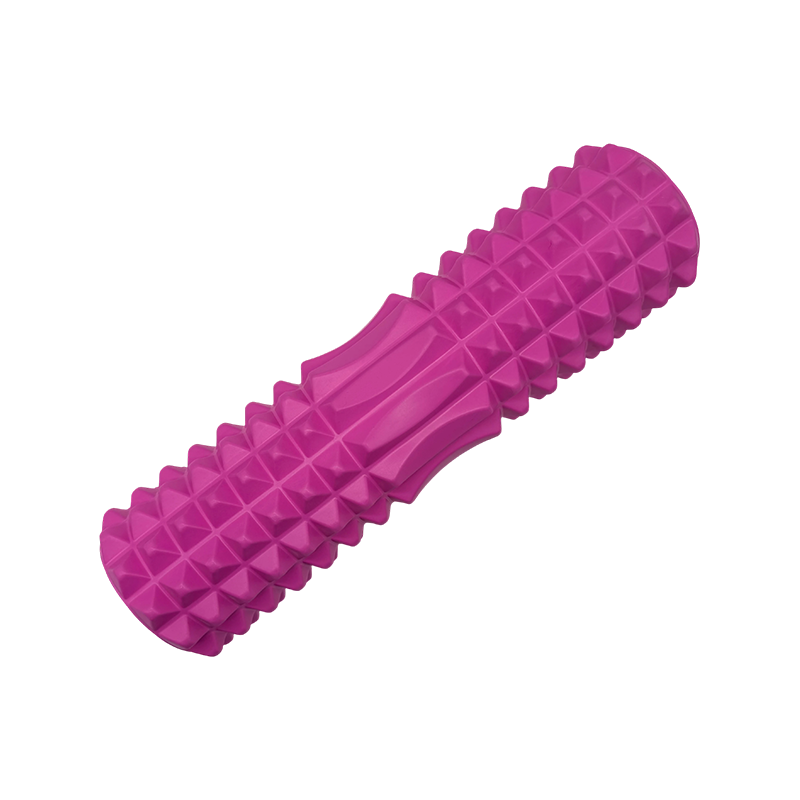
This series of yoga foam rollers is designed for scientific and effective myofascial release and exercise recovery. The product line comprehensively covers different needs, from daily relief to professional deep tissue work: the crescent-shaped flat balance roller and the standard textured roller provide a safe and gentle touch for beginners and daily maintenance; the extended crescent roller allows for efficient relaxation over larger areas; the high-intensity spiked roller targets deep tissue and stubborn muscle soreness, providing powerful stimulation; and there are also portable mini spiked rollers and travel-sized versions, ensuring precise therapy and mobile wellness are always accessible. The entire series features innovative textured surfaces and lightweight construction, dedicated to providing precise, convenient, and proactive recovery solutions through differentiated design for sports enthusiasts, rehabilitation users, and everyone pursuing a healthy lifestyle.
About Us
Suzhou Apex Sports Goods Co., Ltd.
News
-
Introduction Yoga has been practiced for thousands of years, and with its growing popularity in the modern world, new tools and accessories are constantly being introduced to enhance the practice. One...
READ MORE -
In modern yoga practice, Cork Yoga Wheel has become an increasingly popular support tool. It not only improves flexibility and core strength but also helps yoga enthusiasts safely perform various chal...
READ MORE -
In the realm of athletic recovery and myofascial health, the Muscle Roller Massage Stick has emerged as a ubiquitous tool. For procurement specialists, fitness brands, and bulk buyers evaluating this ...
READ MORE -
Core sliding discs are used by placing them under your hands or feet on a smooth surface, then performing controlled movements that engage your core, glutes, and stabilizer muscles. They are lightwei...
READ MORE -
Suzhou Apex Sports Goods Co., Ltd. recently announced a comprehensive upgrade of its core OEM (Original Equipment Manufacturing) and ODM (Original Design Manufacturing) services. This enhancement co...
READ MORE -
As global health consciousness reaches an all-time high, home fitness has solidified into a lasting lifestyle. Suzhou Apex Sports Goods Co., Ltd. has keenly captured this market trend and, leveraging ...
READ MORE -
Since its establishment in June 2015, Suzhou Apex Sports Goods Co., Ltd. has steadily marched through eight successful years. Based in the beautiful riverside city of Zhangjiagang, with a modern facto...
READ MORE
Message Feedback
Fitness Yoga Foam Roller Industry knowledge
How can a fitness yoga foam roller enhance your workout routine and contribute to muscle recovery?
What is a Fitness Yoga Foam Roller?
A fitness yoga foam roller, commonly known as an exercise foam roller or muscle massage foam roller, is a cylindrical tool used to aid in self-myofascial release (SMR). It is primarily used to relieve muscle tightness, soreness, and trigger points. These rollers are widely used by athletes, fitness enthusiasts, yoga practitioners, and rehabilitation professionals due to their effectiveness in improving flexibility, mobility, and overall performance.
Fitness foam rollers are typically made from foam, which offers a balance of firmness and softness, providing a comfortable yet effective way to massage the muscles. They vary in size, density, and texture, making it essential to choose one that suits your fitness goals, body type, and level of experience.
Types of Fitness Foam Rollers
The foam roller market offers a variety of products tailored for specific needs. Below are some of the most common types of foam rollers:
-
Standard Foam Rollers
These are the most commonly used foam rollers in fitness and yoga. They have a smooth surface and offer moderate pressure. They are ideal for beginners and those looking for a general muscle relaxation tool. -
Yoga Column Foam Rollers
Specifically designed for yoga practices, these foam rollers provide support for various yoga postures and stretches. They are often thinner and longer than standard foam rollers and are perfect for practitioners seeking a deeper stretch and balance. -
Muscle Massage Foam Rollers
These foam rollers are designed with textured surfaces, such as bumps or ridges, to provide a more targeted massage. They are effective at working through knots and muscle tension, making them ideal for post-workout recovery or therapeutic massage. -
High-Density Foam Rollers
These offer firm pressure and are often used by experienced users or athletes. They help with deep tissue release and are great for targeting larger muscle groups, such as the quads, hamstrings, and calves. -
Vibrating Foam Rollers
Equipped with a motor, these foam rollers vibrate to help loosen muscles faster and provide a more intense massage. They are typically used by advanced users who require a higher level of muscle release.
Benefits of Using Fitness Foam Rollers
Whether you’re recovering from a workout, relieving stress, or enhancing your yoga practice, foam rollers offer numerous benefits. Here are some of the key advantages of using a fitness foam roller:
-
Enhanced Flexibility and Mobility
Regular use of a foam roller helps to improve flexibility by releasing muscle tightness and promoting the smooth movement of joints. It allows muscles to stretch more effectively, which can lead to better range of motion and reduced risk of injury during workouts. -
Muscle Recovery and Pain Relief
Foam rolling promotes blood circulation and helps eliminate lactic acid buildup in muscles, reducing muscle soreness and speeding up recovery. This makes foam rolling an essential post-workout tool for athletes and fitness enthusiasts alike. -
Reduced Muscle Tension and Stress
Using a foam roller can alleviate muscle tension caused by prolonged sitting or strenuous exercise. The pressure applied during foam rolling stimulates the release of endorphins, which are natural pain relievers and mood enhancers. -
Improved Posture
By targeting tight areas such as the lower back and shoulders, foam rollers can help improve posture. Regular foam rolling helps correct imbalances in the body, leading to a more aligned and balanced posture. -
Self-Treatment for Injuries
Foam rollers are commonly used in rehabilitation to treat injuries and prevent recurring muscle strains. They are effective in managing conditions such as IT band syndrome, plantar fasciitis, and lower back pain.
Comparing Different Materials and Textures of Foam Rollers
When choosing a foam roller, it is important to consider the material, density, and texture to ensure it meets your needs. Below is a comparison of the various foam roller materials and their features:
| Material | Firmness | Texture | Best For |
|---|---|---|---|
| EVA Foam | Soft to Moderate | Smooth or slightly textured | Beginners and general use |
| High-Density Foam | Firm | Smooth or ridged | Experienced users, deep tissue release |
| Plastic Core | Very Firm | Smooth or textured | Advanced users, deep muscle work |
| Thermoplastic Elastomer | Soft to Moderate | Smooth with a slightly soft texture | Gentle muscle relief, yoga practices |
How to Use a Fitness Foam Roller
Proper technique is crucial when using a foam roller to ensure maximum benefit and avoid injury. Follow these steps for a safe and effective foam rolling session:
Target Muscle Groups
Focus on the major muscle groups such as the calves, hamstrings, quads, back, and glutes. Start by positioning the foam roller under the targeted muscle and slowly roll back and forth.
Apply Pressure Gradually
When using a high-density foam roller, begin with light pressure and gradually increase it. Focus on areas that feel tense or sore, but avoid rolling directly over bones or joints.
Roll for 30-60 Seconds per Area
Spend about 30-60 seconds on each muscle group, rolling slowly and pausing for a few seconds on tight spots. This will help break up muscle adhesions and promote blood flow.
Incorporate into Warm-Up and Cool-Down
Use the foam roller as part of your warm-up to prepare your muscles for exercise and post-workout to aid in muscle recovery.
FAQ
-
What is the best type of foam roller for beginners?
For beginners, a standard foam roller or a yoga column foam roller with a moderate level of firmness is ideal. These provide sufficient pressure without being too intense. -
How often should I use a fitness foam roller?
It’s recommended to use a foam roller 3-5 times per week, especially after intense workouts or physical activities. For muscle recovery, using it daily can help. -
Can a foam roller help with back pain?
Yes, foam rolling can help alleviate back pain by targeting the muscles around the spine and releasing tension in the back. Be cautious and avoid rolling directly on the spine. -
Are vibrating foam rollers more effective than regular ones?
Vibrating foam rollers are more effective at providing deeper muscle relief and reducing soreness due to their additional vibrating mechanism. However, they are better suited for advanced users or those seeking a more intense massage.
Conclusion
Fitness yoga foam rollers are an essential tool for muscle recovery, flexibility, and overall wellness. Whether you’re a fitness enthusiast, yoga practitioner, or athlete, integrating foam rolling into your routine can significantly improve performance, reduce muscle soreness, and enhance relaxation. If you’re looking for high-quality foam rollers, Suzhou Apex Sports Goods Co., Ltd. offers a range of products tailored to meet the needs of different customers. We provide professional OEM & ODM services, ensuring you get the perfect foam roller for your fitness goals.
-
Become one of the competitive suppliers in China. We are customer-centric, which is why most customers choose us.
-
Contact Us
Email:[email protected] Tel:+86-19942081163 Add:Room B1804, Building A, Huijin Business Center, Yangshe Town, Zhangjiagang City, Suzhou City, Jiangsu Province -
Quick Links
Products About Us Service News Contact Us -
Products
Fitness Yoga Foam Roller Yoga Back Roller Wheel Circle Pilates Ring Muscle Roller Massage Stick Yoga Fascia Massage Ball Fitness Core Slider Pilates Stretch Ring Fitness Resistance Band Twist Hand Exerciser Bar Yoga Hand Exercise Ball Foot Yoga Massage Acupressure Board -
Mobile
Copyright © Suzhou Apex Sports Goods Co., Ltd. All Rights Reserved.Custom
Exercise Foam Roller Factory
