


 English
 日本語
日本語 Español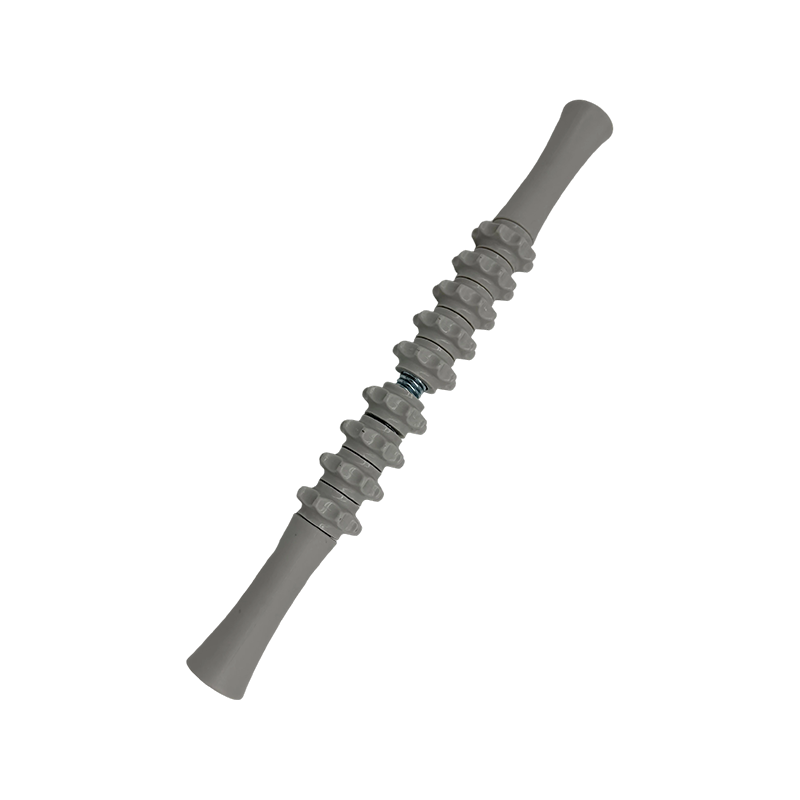
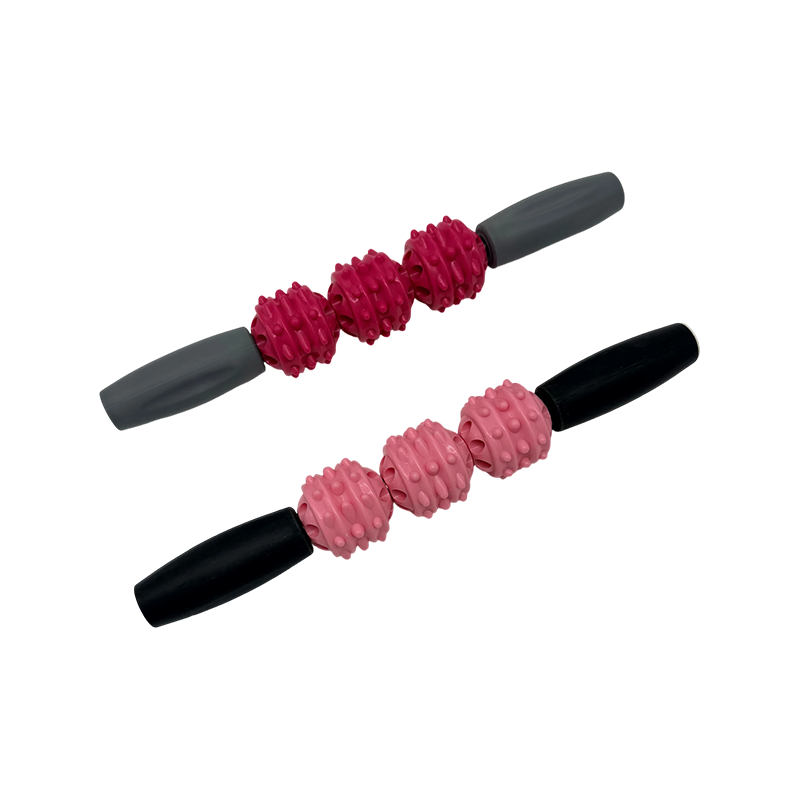
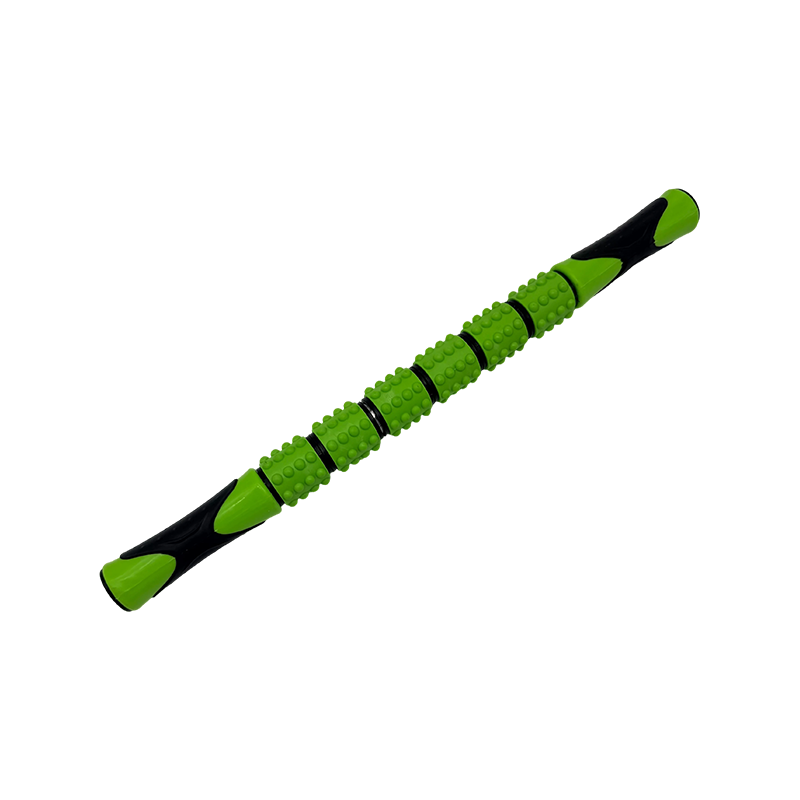
Suzhou Apex Sports Goods Co., Ltd. is China Custom PP Bead Fascia Roller Stick Manufacturers and OEM/ODM PP Bead Fascia Roller Stick Factory, established in June 2015, with a factory covering an area of 3,000 square meters, located in the beautiful riverside city - Zhangjiagang. Our company mainly produces indoor fitness sports goods and yoga products. Our main products include yoga wheels, yoga rings, massage sticks, fascia balls, leg clamping massagers, etc. Besides developing standard products, we also offer OEM & ODM services, customizing LOGOs and packaging according to customers' requirements. We provide different products and designs based on the needs of different customers. We have a professional sales team to handle customers' demands. Our products are exported to many countries, such as North America, Japan, South Korea, Germany, Vietnam, etc. and have gained recognition from many customers. Our vision is to become one of the competitive suppliers in China. We are customer-centered, which is why most customers choose us. We offer PP Bead Fascia Roller Stick for sale.

PP Bead Fascia Roller Stick
Custom PP Bead Fascia Roller Stick Manufacturers
About Us
Suzhou Apex Sports Goods Co., Ltd.
News
-
Introduction Yoga has been practiced for thousands of years, and with its growing popularity in the modern world, new tools and accessories are constantly being introduced to enhance the practice. One...
READ MORE -
In modern yoga practice, Cork Yoga Wheel has become an increasingly popular support tool. It not only improves flexibility and core strength but also helps yoga enthusiasts safely perform various chal...
READ MORE -
In the realm of athletic recovery and myofascial health, the Muscle Roller Massage Stick has emerged as a ubiquitous tool. For procurement specialists, fitness brands, and bulk buyers evaluating this ...
READ MORE -
Core sliding discs are used by placing them under your hands or feet on a smooth surface, then performing controlled movements that engage your core, glutes, and stabilizer muscles. They are lightwei...
READ MORE -
Suzhou Apex Sports Goods Co., Ltd. recently announced a comprehensive upgrade of its core OEM (Original Equipment Manufacturing) and ODM (Original Design Manufacturing) services. This enhancement co...
READ MORE -
As global health consciousness reaches an all-time high, home fitness has solidified into a lasting lifestyle. Suzhou Apex Sports Goods Co., Ltd. has keenly captured this market trend and, leveraging ...
READ MORE -
Since its establishment in June 2015, Suzhou Apex Sports Goods Co., Ltd. has steadily marched through eight successful years. Based in the beautiful riverside city of Zhangjiagang, with a modern facto...
READ MORE
Message Feedback
PP Bead Fascia Roller Stick Industry knowledge
PP Bead Fascia Roller Stick: Complete Industry Knowledge Guide
The PP Bead Fascia Roller Stick represents a significant advancement in self-myofascial release tools, combining polypropylene engineering with ergonomic bead design for effective muscle recovery. This comprehensive guide explores manufacturing standards, material science, and procurement considerations from industry specialists.
Manufacturing Excellence at Suzhou Apex Sports Goods Co., Ltd.
Suzhou Apex Sports Goods Co., Ltd. was established in June 2015, with a factory covering an area of 3,000 square meters, located in the beautiful riverside city of Zhangjiagang. Our company mainly produces indoor fitness sports goods and yoga products. Our main products include yoga wheels, yoga rings, massage sticks, fascia balls, leg clamping massagers, etc. Besides developing standard products, we also offer OEM and ODM services, customizing LOGOs and packaging according to customers' requirements. We provide different products and designs based on the needs of different customers. We have a professional sales team to handle customers' demands. Our products are exported to many countries, such as North America, Japan, South Korea, Germany, Vietnam, etc. and have gained recognition from many customers. Our vision is to become one of the competitive suppliers in China. We are customer-centered, which is why most customers choose us.
Material Science and Engineering Specifications
Polypropylene (PP) selection for fascia roller sticks involves balancing mechanical properties, manufacturing processability, and user safety requirements. The material specification directly impacts product durability, tactile feedback, and environmental sustainability.
PP Material Properties for Fitness Equipment
Polypropylene homopolymer (PP-H) offers superior rigidity for massage bead applications, while copolymer grades (PP-C) provide enhanced impact resistance for drop-prone environments. The bead surface hardness must achieve Shore D 65-75 to deliver effective fascial manipulation without tissue damage.
| Property | PP Homopolymer | PP Copolymer | EVA Alternative | Silicone Alternative |
| Density (g/cm³) | 0.90-0.91 | 0.89-0.91 | 0.92-0.96 | 1.10-1.50 |
| Shore Hardness (D scale) | 70-75 | 60-70 | 35-55 | 20-40 |
| Tensile Strength (MPa) | 35-40 | 25-35 | 10-20 | 5-10 |
| Flexural Modulus (MPa) | 1,500-1,800 | 1,000-1,400 | 200-600 | 10-50 |
| Heat Deflection Temperature (°C) | 100-110 | 90-105 | 50-70 | 150-300 |
| Chemical Resistance | Excellent | Excellent | Good | Excellent |
| Recyclability | High (Resin Code 5) | High (Resin Code 5) | Moderate | Low |
| Relative Cost | 1.0x (baseline) | 1.1x | 1.3x | 3.0-5.0x |
Bead Geometry and Biomechanical Design
The fascia roller bead configuration determines therapeutic efficacy. Spherical beads with 12-18mm diameter provide point-specific pressure, while elliptical beads (18mm major axis, 12mm minor axis) distribute force across broader tissue areas. Bead spacing of 25-35mm center-to-center accommodates muscle group variations and prevents pinching.
- Bead Diameter: 12mm for targeted trigger point therapy, 18mm for general muscle warming
- Bead Surface Texture: Smooth finish (Ra 0.8-1.6 μm) for sensitive skin, micro-textured (Ra 3.2-6.3 μm) for enhanced grip
- Core Rod Material: Glass-filled PP or aluminum alloy (6061-T6) for structural integrity
- Overall Length: 450-550mm for full back coverage, 300-350mm for portable travel designs
Production Processes and Quality Control
Manufacturing PP Bead Fascia Roller Sticks requires precision injection molding and assembly protocols. Suzhou Apex Sports Goods Co., Ltd. maintains comprehensive quality management throughout the production workflow.
Injection Molding Parameters
Bead components utilize multi-cavity molds (8-16 cavities) with hot runner systems for consistent part quality. Process control ensures dimensional stability across production batches.
| Process Parameter | Specification | Tolerance | Quality Check |
| Melt Temperature | 200-230°C | ±5°C | Infrared pyrometer |
| Mold Temperature | 40-60°C | ±3°C | Thermocouple verification |
| Injection Pressure | 60-100 MPa | ±5 MPa | Pressure transducer |
| Cooling Time | 15-25 seconds | ±2 seconds | Cycle timer |
| Bead Diameter | Design ±0.3mm | ±0.1mm | Digital caliper (n=5) |
| Surface Roughness | Ra 0.8-3.2 μm | ±0.4 μm | Profilometer |
Assembly and Testing Protocols
Core rod insertion employs ultrasonic welding (20kHz, 0.5-1.5s weld time) or interference fit with food-grade silicone adhesive. Finished products undergo:
- Dimensional Verification: CMM inspection of critical assembly interfaces
- Load Testing: Static compression to 150% rated user weight (typically 150kg test load)
- Fatigue Testing: 10,000 cycle flexural test simulating 5-year usage
- Chemical Migration: FDA 21 CFR 177.1520 compliance for skin contact applications
Global Market Applications and Export Standards
The PP Bead Fascia Roller Stick serves diverse international markets with varying regulatory requirements. North American markets emphasize CPSIA compliance, while European exports require REACH registration and CE marking for mechanical safety.
Regional Compliance Matrix
| Market Region | Primary Standards | Testing Requirements | Documentation |
| North America | CPSIA, ASTM F963 | Phthalate testing, mechanical safety | General Certificate of Conformity |
| European Union | REACH, EN 71-1 | SVHC screening, mechanical properties | CE Declaration, Technical File |
| Japan | Food Sanitation Law | Heavy metals, chemical migration | Import notification, test reports |
| South Korea | KC Mark, CPSIA alignment | Safety certification, quality audit | KC certificate, factory registration |
| Germany | LFGB, GS Mark optional | Food contact migration, durability | LFGB compliance statement |
Customization and OEM/ODM Services
Suzhou Apex Sports Goods Co., Ltd. provides comprehensive customization capabilities for PP Bead Fascia Roller Sticks, supporting brand differentiation and market-specific positioning.
Customization Options
- Color Matching: Pantone color system implementation with UV stabilizers for fade resistance
- Logo Integration: Pad printing (up to 4 colors), laser engraving, or molded-in relief
- Packaging Design: Custom insert cards, retail hang tags, multilingual instruction manuals
- Bead Configuration: Adjustable bead spacing, removable bead modules for intensity variation
- Accessory Bundling: Coordinated sets with fascia balls, resistance bands, or carrying cases
Minimum Order Quantities and Lead Times
| Customization Level | MOQ (units) | Sample Lead Time | Production Lead Time |
| Standard Product, Logo Only | 500 | 7-10 days | 25-30 days |
| Custom Color, Standard Bead | 1,000 | 10-14 days | 30-35 days |
| Modified Bead Geometry | 2,000 | 21-28 days (tooling) | 45-60 days |
| Complete Custom Design | 3,000 | 35-45 days (tooling) | 60-75 days |
FAQ
What makes PP material superior to EVA or silicone for fascia roller sticks?
Polypropylene offers optimal stiffness-to-weight ratio for effective myofascial release. EVA formulations lack the structural rigidity necessary for deep tissue manipulation, compressing excessively under 20-30N applied force. Silicone provides excellent grip characteristics but exhibits excessive elasticity (Shore A 20-40 vs. PP Shore D 70-75), limiting therapeutic pressure transmission. PP maintains dimensional stability across 0-60°C operating temperatures, whereas EVA softens above 40°C. Cost efficiency favors PP at 1.0x baseline versus 1.3x for EVA and 3.0-5.0x for silicone. Suzhou Apex Sports Goods Co., Ltd. selects PP homopolymer for standard applications and copolymer grades for impact-critical export markets.
How do I verify the quality of PP bead fascia roller sticks from overseas manufacturers?
Quality verification requires multi-layer assessment. Request material certifications confirming virgin PP resin (not recycled content) with FDA or REACH compliance documentation. Demand production facility audits or third-party inspection reports (SGS, Bureau Veritas). Physical samples should undergo Shore hardness testing (target D 70±5), dimensional inspection (bead diameter ±0.3mm), and load testing to 150% rated capacity. Review quality control documentation including incoming material inspection, in-process dimensional checks, and final random sampling per AQL 2.5. Suzhou Apex Sports Goods Co., Ltd. provides complete traceability documentation and welcomes third-party factory audits for verification.
What is the typical lifespan of a PP bead fascia roller stick under regular use?
Engineering lifespan for PP Bead Fascia Roller Sticks exceeds 5 years under normal residential use (3-4 sessions weekly, 15-minute duration). Commercial gym environments with 20+ daily users reduce lifespan to 2-3 years due to accelerated bead wear. UV exposure degrades PP surface properties; indoor storage extends service life significantly. Bead surface roughness increase from Ra 1.6 μm to Ra 6.3 μm indicates replacement need. Core rod fatigue occurs after approximately 50,000 flexural cycles. Our fatigue testing protocol simulates 10,000 cycles (equivalent to 5-year residential use) with zero structural degradation as qualification standard.
Can PP bead fascia roller sticks be customized for specific physiotherapy applications?
Medical-grade customization requires enhanced quality protocols. Bead diameter modification (8mm for hand therapy, 25mm for deep back tissue) addresses specific anatomical requirements. Dual-density constructions combine rigid PP beads with TPU cushioning for sensitive populations. Antimicrobial additive incorporation (0.5-1.0% zinc pyrithione or silver ion) supports clinical hygiene requirements. Color coding by density (soft/medium/firm) assists therapist prescription. Suzhou Apex Sports Goods Co., Ltd. develops custom configurations for physiotherapy chains and rehabilitation equipment distributors, supporting CE marking for medical device classification when required.
What environmental and sustainability credentials apply to PP bead fascia roller sticks?
Polypropylene carries Resin Identification Code 5, widely recyclable through municipal streams in North America, Europe, and Japan. Virgin PP production generates 1.5 kg CO₂-equivalent per kg material, significantly lower than silicone (9.0 kg) or TPU (4.5 kg). Post-industrial scrap from manufacturing reprocesses at 95% efficiency within our facility. Bio-based PP from renewable feedstocks (Braskem I'm green) offers identical mechanical properties with carbon-negative credentials, available at 15-20% cost premium. Packaging optimization reduces virgin cardboard by 40% through recycled content and right-sized design. Suzhou Apex Sports Goods Co., Ltd. maintains ISO 14001 environmental management system certification and provides carbon footprint documentation for sustainability-focused clients.
-
Become one of the competitive suppliers in China. We are customer-centric, which is why most customers choose us.
-
Contact Us
Email:[email protected] Tel:+86-19942081163 Add:Room B1804, Building A, Huijin Business Center, Yangshe Town, Zhangjiagang City, Suzhou City, Jiangsu Province -
Quick Links
Products About Us Service News Contact Us -
Products
Fitness Yoga Foam Roller Yoga Back Roller Wheel Circle Pilates Ring Muscle Roller Massage Stick Yoga Fascia Massage Ball Fitness Core Slider Pilates Stretch Ring Fitness Resistance Band Twist Hand Exerciser Bar Yoga Hand Exercise Ball Foot Yoga Massage Acupressure Board -
Mobile
Copyright © Suzhou Apex Sports Goods Co., Ltd. All Rights Reserved.Custom
PP Bead Fascia Roller Stick Factory
