


 English
 日本語
日本語 Español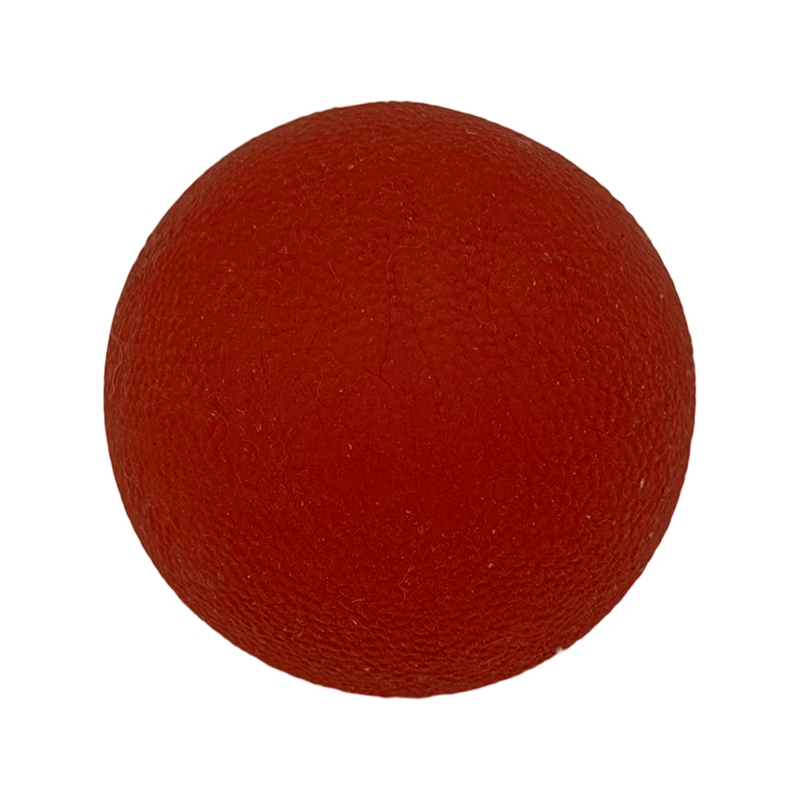
Suzhou Apex Sports Goods Co., Ltd. is China Custom Yoga Hand Exercise Ball Manufacturers and OEM/ODM Hand Therapy Exercise Ball Factory, established in June 2015, with a factory covering an area of 3,000 square meters, located in the beautiful riverside city - Zhangjiagang. Our company mainly produces indoor fitness sports goods and yoga products. Our main products include yoga wheels, yoga rings, massage sticks, fascia balls, leg clamping massagers, etc. Besides developing standard products, we also offer OEM & ODM services, customizing LOGOs and packaging according to customers' requirements. We provide different products and designs based on the needs of different customers. We have a professional sales team to handle customers' demands. Our products are exported to many countries, such as North America, Japan, South Korea, Germany, Vietnam, etc. and have gained recognition from many customers. Our vision is to become one of the competitive suppliers in China. We are customer-centered, which is why most customers choose us. We offer Silicone Hand Gripping Ball for sale.

Custom Yoga Hand Exercise Ball Manufacturers
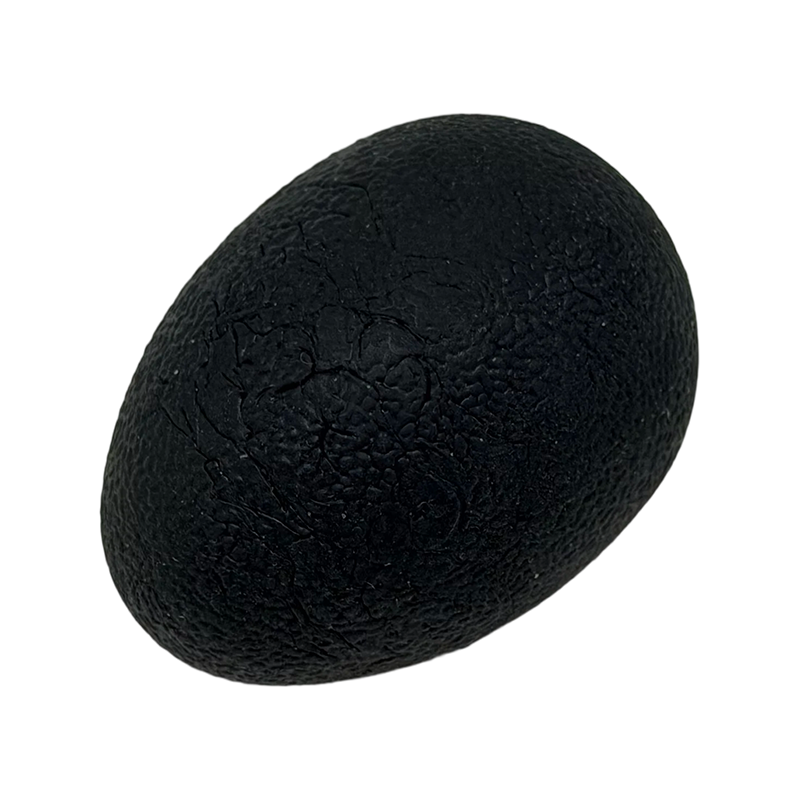
A yoga grip ball is a small device designed for hand function training and mind-body relaxation. It is typically made of high-elasticity TPR material, offering excellent shape recovery and a gentle, comfortable touch. Through actions such as gripping and squeezing, this type of product provides controlled resistance, effectively strengthening the muscles of the palm, fingers, and forearm while improving grip strength, finger joint flexibility, and overall hand coordination.
In yoga and rehabilitation training, grip balls are not only used for targeted hand exercises but can also be paired with breathing practices to achieve coordinated physical and mental relaxation. Its ergonomic shape makes gripping more natural and comfortable, and the surface often features anti-slip textures or bionic patterns to ensure stability and safety during use. The compact and portable design makes it suitable for various settings such as office breaks, home workouts, and professional training. It can help relieve common modern discomforts like “mouse hand” and also serve as an aid for meditation focus, making it an intelligent training companion that supports both hand health and overall mind-body balance.
About Us
Suzhou Apex Sports Goods Co., Ltd.
News
-
Introduction Yoga has been practiced for thousands of years, and with its growing popularity in the modern world, new tools and accessories are constantly being introduced to enhance the practice. One...
READ MORE -
In modern yoga practice, Cork Yoga Wheel has become an increasingly popular support tool. It not only improves flexibility and core strength but also helps yoga enthusiasts safely perform various chal...
READ MORE -
In the realm of athletic recovery and myofascial health, the Muscle Roller Massage Stick has emerged as a ubiquitous tool. For procurement specialists, fitness brands, and bulk buyers evaluating this ...
READ MORE -
Core sliding discs are used by placing them under your hands or feet on a smooth surface, then performing controlled movements that engage your core, glutes, and stabilizer muscles. They are lightwei...
READ MORE -
Suzhou Apex Sports Goods Co., Ltd. recently announced a comprehensive upgrade of its core OEM (Original Equipment Manufacturing) and ODM (Original Design Manufacturing) services. This enhancement co...
READ MORE -
As global health consciousness reaches an all-time high, home fitness has solidified into a lasting lifestyle. Suzhou Apex Sports Goods Co., Ltd. has keenly captured this market trend and, leveraging ...
READ MORE -
Since its establishment in June 2015, Suzhou Apex Sports Goods Co., Ltd. has steadily marched through eight successful years. Based in the beautiful riverside city of Zhangjiagang, with a modern facto...
READ MORE
Message Feedback
Yoga Hand Exercise Ball Industry knowledge
How do different surface textures on Yoga Hand Exercise Balls affect their use?
Understanding the functional role of surface texture
A yoga hand exercise ball is a compact device designed for hand function training and mind body coordination. Although resistance level and material elasticity are often emphasized, surface texture plays an equally critical role in determining performance, comfort, and safety. Because this product is also widely recognized in the market as a hand therapy exercise ball or a silicone hand gripping ball, its surface structure must accommodate diverse usage scenarios without altering its core function.
Typically manufactured from high elasticity TPR or silicone materials, this type of grip ball offers excellent shape recovery and controlled resistance. However, the outer texture determines how effectively the palm and fingers interact with the surface during squeezing, rolling, or static holding exercises. In yoga practice, rehabilitation training, and office based stress relief routines, surface friction and tactile feedback directly influence user confidence and muscle engagement efficiency.
A properly designed texture improves anti slip performance, enhances proprioceptive input, and supports consistent force application. Therefore, surface texture is not merely decorative. It is a functional design variable that affects grip stability, neuromuscular coordination, hygiene management, and long term durability.
Common surface texture categories and structural characteristics
Although the yoga hand exercise ball is structurally simple, manufacturers incorporate different texture treatments to meet varied functional requirements. These textures can be divided into several major categories, each with distinct performance implications.
Smooth surface structure
A smooth surface provides uniform contact between the palm and the ball. This structure distributes pressure evenly and minimizes localized compression. It is commonly selected for meditation focused squeezing exercises or early stage rehabilitation where gentle tactile input is preferred.
Because there are no raised protrusions, smooth models are easy to clean and maintain. They are suitable for shared environments such as offices or therapy centers. However, under conditions of perspiration, grip stability may decrease compared with textured alternatives.
Matte or micro textured finish
A matte finish introduces subtle friction without aggressive patterning. This moderate texture improves anti slip performance while preserving comfort. During repetitive squeezing exercises, the micro texture helps maintain consistent hand placement and reduces unintended rotation within the palm.
This type of surface is frequently chosen for balanced daily use, combining relaxation and strengthening exercises. It is particularly effective for individuals who integrate breathing coordination with grip training.
Raised dot or patterned surface
Raised patterns, including small dots or bionic structures, increase tactile stimulation. These designs activate skin receptors and enhance sensory feedback. For users engaged in structured rehabilitation or high repetition grip strengthening, this added feedback promotes improved neuromuscular awareness.
| Texture type | Grip stability | Tactile intensity | Recommended application |
|---|---|---|---|
| Smooth | Moderate | Low | Meditation and gentle recovery |
| Matte micro texture | High | Medium | Daily strengthening and office use |
| Raised pattern | Very high | Strong | Rehabilitation and coordination training |
Impact of surface texture on grip stability and safety
Grip stability directly affects both safety and training effectiveness. During dynamic squeezing or alternating hand drills, insufficient friction may cause the ball to slip or rotate unexpectedly. This can interrupt exercise rhythm and reduce muscle activation consistency.
Textured surfaces increase friction between skin and material, allowing users to apply force without excessive compensatory tension. This is particularly beneficial for individuals with reduced grip strength or limited finger control. Enhanced stability lowers the risk of accidental dropping and supports continuous movement patterns.
Moreover, tactile security influences psychological comfort. When users feel confident that the ball will not slip, they are more likely to maintain regular training routines. In office environments where short exercise breaks are performed between tasks, reliable surface friction improves compliance and overall effectiveness.
Tactile feedback and neuromuscular coordination
Beyond friction, surface texture significantly influences sensory input. Tactile stimulation enhances neuromuscular coordination by providing continuous feedback during movement. Raised or patterned surfaces stimulate mechanoreceptors in the palm and fingers, supporting proprioceptive awareness.
In rehabilitation contexts, controlled sensory stimulation can assist in reestablishing fine motor control. Micro adjustments in finger positioning occur naturally when interacting with textured surfaces. Over time, this may contribute to improved coordination between intrinsic hand muscles and forearm stabilizers.
For yoga practitioners, rhythmic squeezing of a silicone hand gripping ball synchronized with breathing patterns benefits from predictable tactile cues. Texture depth allows users to perceive compression intensity without visual monitoring, promoting stronger mind body integration.
Material composition and its interaction with texture
Surface performance depends not only on pattern design but also on material composition. High elasticity TPR provides excellent rebound characteristics and cost efficiency, while silicone materials offer soft touch comfort and strong durability. When molded into textured forms, these materials behave differently in terms of pattern retention and long term wear resistance.
A silicone based structure generally maintains raised details over extended use, ensuring that tactile performance remains stable. TPR, on the other hand, delivers balanced firmness and reliable recovery, making it suitable for large scale production with consistent elasticity.
Suzhou Apex Sports Goods Co., Ltd., established in June 2015 and located in Zhangjiagang, integrates strict quality control and advanced testing equipment into every stage of production. By monitoring material properties and surface precision, the company ensures that texture depth, spacing, and elasticity meet international standards. This systematic approach minimizes variability and supports stable export quality.
Application scenarios influenced by texture selection
Different user groups require distinct texture profiles. Appropriate selection enhances effectiveness and user satisfaction.
- Office stress relief: Matte or lightly textured surfaces offer comfort during short breaks without excessive tactile stimulation.
- Rehabilitation programs: Raised patterns provide improved stability and sensory activation for patients recovering from hand strain.
- Yoga and breathing exercises: Smooth or micro textured designs support rhythmic squeezing aligned with controlled breathing.
- Grip conditioning training: More pronounced textures enhance friction during high repetition exercises.
As an integrated industry and trade company, Suzhou Apex Sports Goods Co., Ltd. offers OEM and ODM services, customizing texture design, logo application, and packaging according to client requirements. Through requirement confirmation, quotation negotiation, sample development, and strict production control, the company aligns texture specifications with market positioning strategies.
Ergonomic integration and structural harmony
Surface texture must be coordinated with ergonomic design. A spherical structure distributes pressure evenly, while contoured forms may better match finger curvature. When pattern orientation follows anatomical lines, gripping becomes more natural and comfortable.
Suzhou Apex Sports Goods Co., Ltd. emphasizes ergonomics and advanced material research in product development. With a professional sales team and a strong R and D department, the company develops products according to customer drawings or samples. Its annual production capacity exceeding 20000 tons ensures supply flexibility for varied order volumes.
The integration of surface structure and ergonomic shaping reflects a broader design philosophy focused on efficiency, comfort, and durability.
Durability, hygiene, and maintenance considerations
Texture complexity influences cleaning and maintenance procedures. Smooth surfaces are easier to sanitize, while raised patterns require more thorough wiping to prevent residue accumulation. However, when manufactured with high quality materials and proper mold precision, textured surfaces maintain structural integrity without premature wear.
Suzhou Apex Sports Goods Co., Ltd. implements strict inspection standards throughout mass production. Each process undergoes quality verification to ensure surface consistency and material reliability. This disciplined approach supports long term durability and enhances product credibility in global markets.
Conclusion
Different surface textures significantly affect the performance and usability of a hand therapy exercise ball. Texture determines grip stability, tactile feedback, safety, durability, and suitability for specific applications. Smooth designs emphasize relaxation and hygiene convenience, while textured patterns enhance control and sensory engagement.
For manufacturers and buyers, evaluating texture in relation to target user groups and intended training objectives is essential. Through careful research, advanced production management, and customer centered service, Suzhou Apex Sports Goods Co., Ltd. contributes to delivering reliable hand training solutions that balance ergonomic comfort with functional efficiency.
FAQ
1. Which surface texture is best for beginners?
A matte or lightly textured surface is generally suitable for beginners because it provides stable grip without excessive tactile intensity.2. Are textured models more durable than smooth ones?
Durability depends primarily on material quality and manufacturing precision. High quality textured surfaces can maintain performance over extended use.3. Is a smooth silicone hand gripping ball easier to clean?
Yes. Smooth surfaces are typically easier to wipe and sanitize, especially in shared environments.4. Can texture influence rehabilitation effectiveness?
Yes. Textured surfaces provide additional sensory feedback, which may assist in neuromuscular coordination during rehabilitation exercises.5. Is customization available for different texture patterns?
Many professional manufacturers provide customized texture designs to meet specific market and user requirements.-
Become one of the competitive suppliers in China. We are customer-centric, which is why most customers choose us.
-
Contact Us
Email:[email protected] Tel:+86-19942081163 Add:Room B1804, Building A, Huijin Business Center, Yangshe Town, Zhangjiagang City, Suzhou City, Jiangsu Province -
Quick Links
Products About Us Service News Contact Us -
Products
Fitness Yoga Foam Roller Yoga Back Roller Wheel Circle Pilates Ring Muscle Roller Massage Stick Yoga Fascia Massage Ball Fitness Core Slider Pilates Stretch Ring Fitness Resistance Band Twist Hand Exerciser Bar Yoga Hand Exercise Ball Foot Yoga Massage Acupressure Board -
Mobile
Copyright © Suzhou Apex Sports Goods Co., Ltd. All Rights Reserved.Custom
Silicone Hand Gripping Ball Factory
