

 English
 日本語
日本語 Español
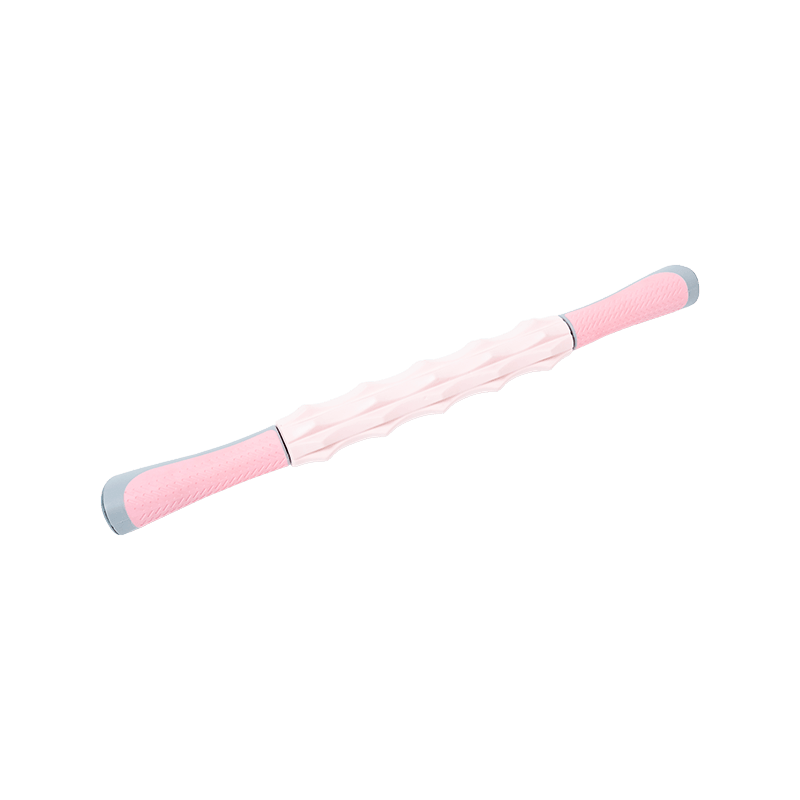
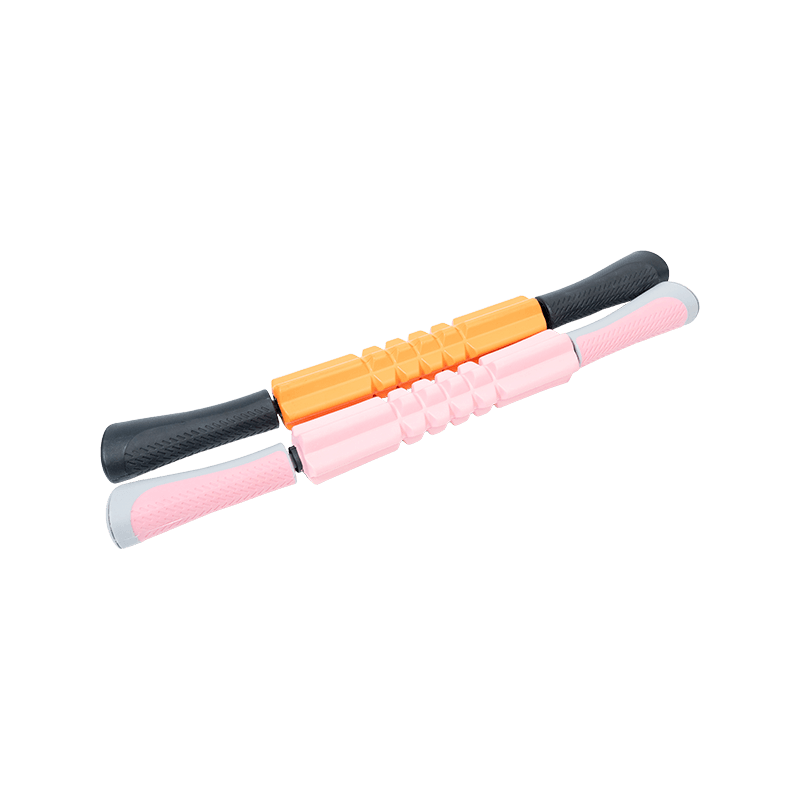
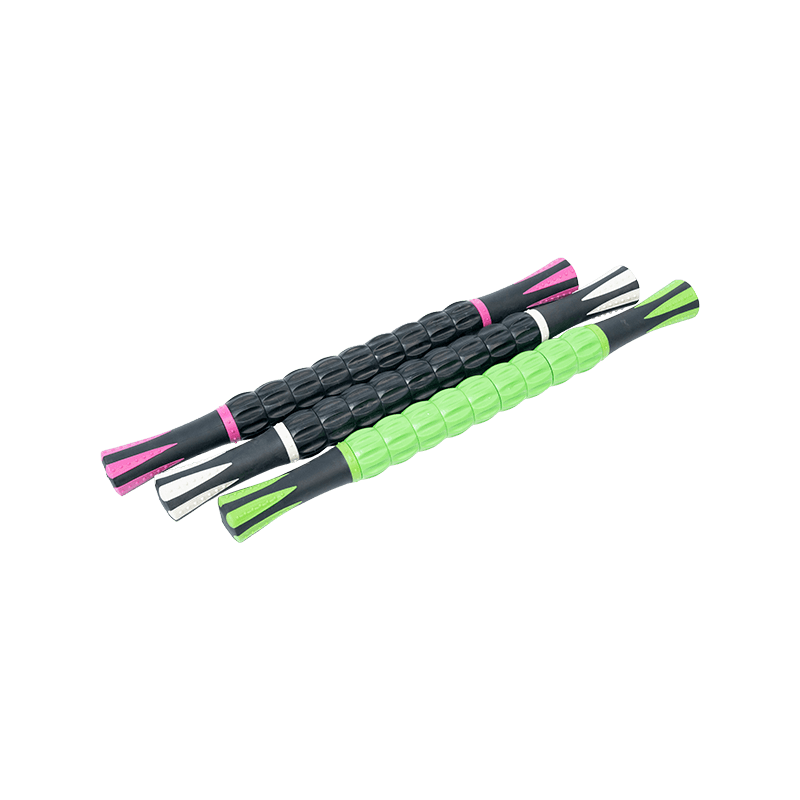
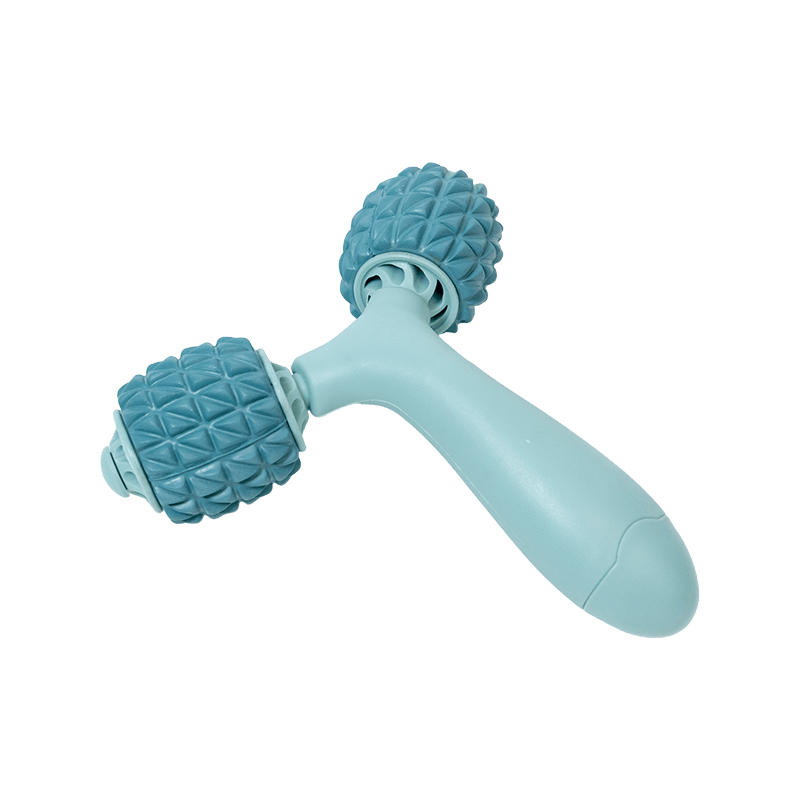
A full-length foam roller is great for broad muscle groups, but it cannot get precise pressure into a single tight spot on your calf or shoulder. An exercise roller stick is built for exactly that kind of targeted, hands-on control.
Why Hand Control Beats Body Weight Here
A foam roller relies on your body weight to create pressure, which makes it hard to focus force on one small area. A roller stick puts that control directly in your hands, letting you dial pressure up or down in real time while working across a knot, a tight tendon, or a specific muscle belly that a larger tool would roll straight past.
Roller Stick Against a Standard Foam Roller
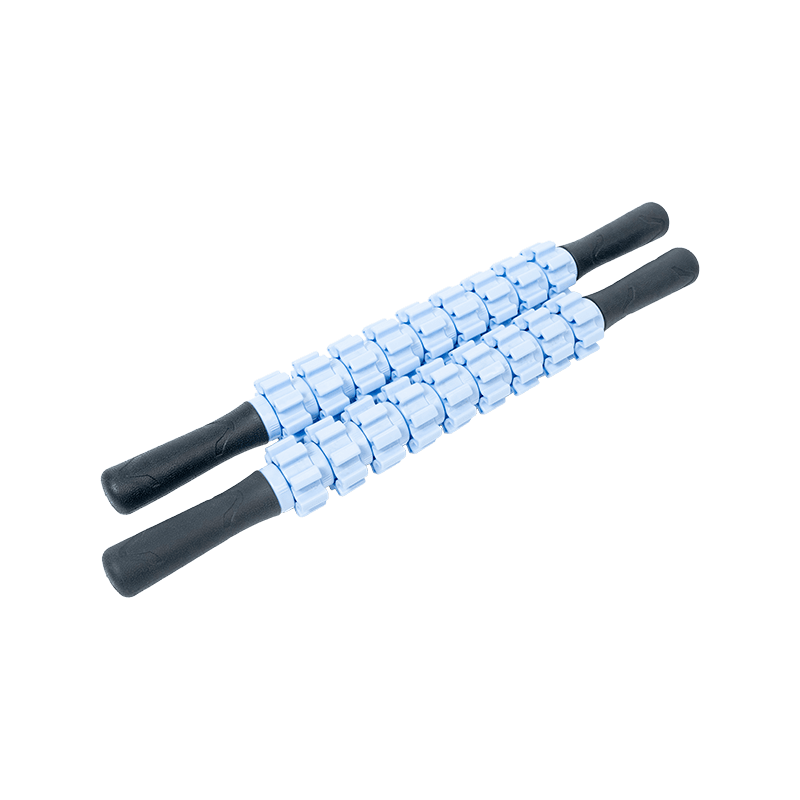
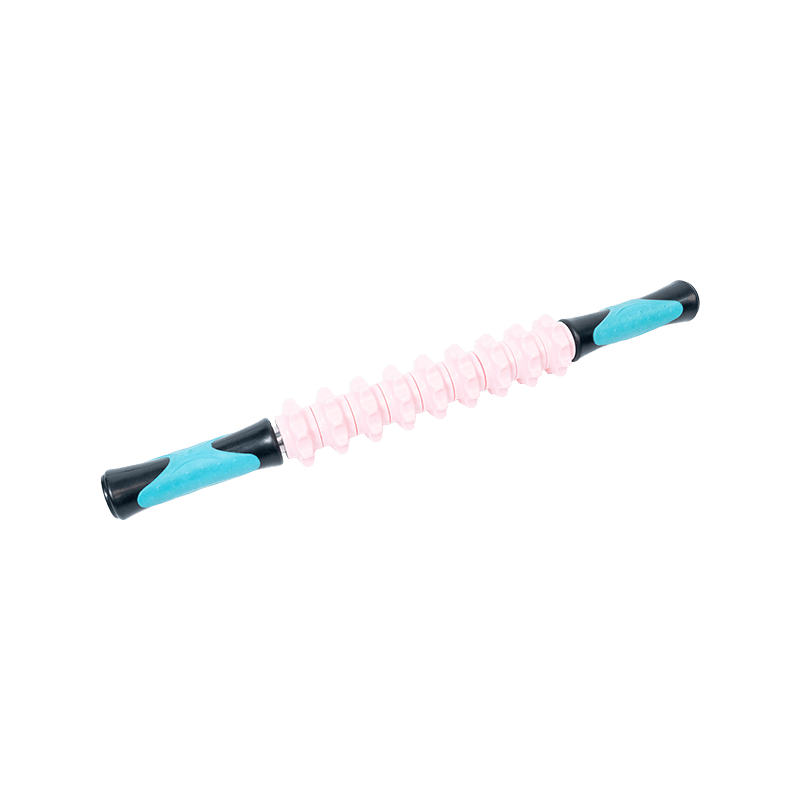
Exercise Roller Stick
Precise, hand-controlled pressure on small or hard-to-reach muscle areas, easy to pack for travel
Standard Foam Roller
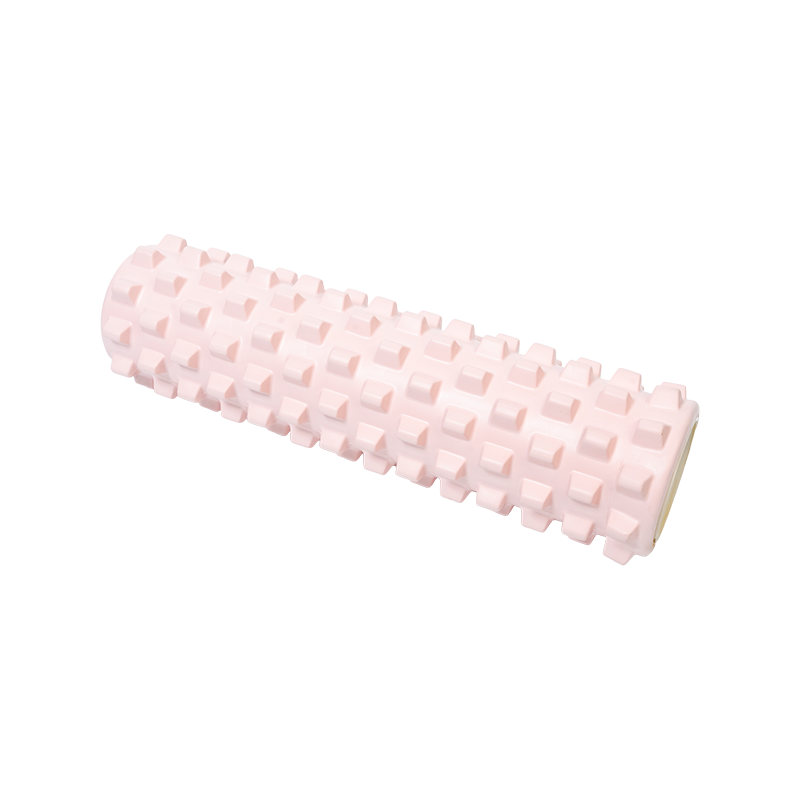
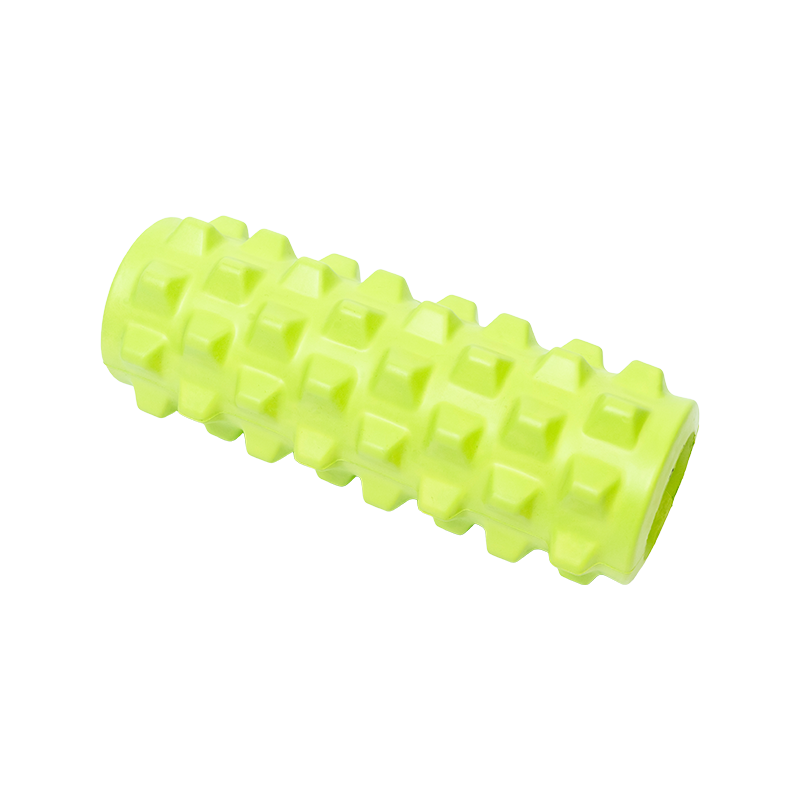
Broad, body-weight pressure suited to large muscle groups like the back and thighs
Where Roller Sticks Fit Into Training
Athletes use them before training to loosen tight spots that would otherwise limit range of motion during warm-up. Physical therapy and rehab settings favor them for controlled, adjustable-pressure work during recovery programs. Yoga and Pilates practitioners use them to prep muscles before stretching-heavy sessions, and home fitness users like that one compact stick handles most of what a bulkier foam roller collection would otherwise require.
| Factor | Roller Stick | Foam Roller |
| Pressure control | Precise, hand-directed | Broad, body-weight based |
| Best muscle size | Small to medium targeted areas | Large muscle groups |
| Portability | Compact, travel-friendly | Bulkier, more storage space |
| Learning curve | Quick to control by hand | Requires body positioning |
Rolling directly over a joint or bone with heavy pressure can cause discomfort without therapeutic benefit. Keep pressure focused on muscle tissue and ease off near joints, tendons, and bony areas.
Specifications Worth Checking
Roller hardness affects how deep the pressure goes, so firmer rollers suit experienced users while softer options are more forgiving for beginners. Shaft strength matters for anyone applying significant pressure repeatedly, and handle grip design affects control during longer sessions. Surface texture, smooth versus ridged, changes how the massage feels across different muscle types.
Choosing a Manufacturer That Delivers Consistency
Roller rotation smoothness and shaft durability are what separate a stick that lasts years from one that wobbles or cracks under repeated pressure. A reliable muscle roller stick manufacturer should provide load and rotation testing data, along with OEM options for roller material, handle design, and length.
Frequently Asked Questions
How firm should a roller stick be for a beginner?
Beginners generally do better with a softer roller and can progress to firmer options as they get used to applying targeted pressure comfortably.
Can a roller stick replace a foam roller entirely?
Not entirely, since foam rollers are better suited to broad muscle groups like the back and thighs, while roller sticks excel at precise, targeted spots a foam roller cannot easily reach.
How often should I use a roller stick?
Many users incorporate it before and after workouts, though frequency should be adjusted based on personal comfort and how the muscles respond over time.
Is it safe to roll directly over an injury?
Rolling directly over an acute injury is generally not recommended, and anyone recovering from an injury should check with a healthcare professional before using percussion or roller tools on the affected area.
 |
 |