

 English
 日本語
 Español

The 5 Types of Hand Grips You Should Train
- Crush grip. The action of squeezing an object with all four fingers into the palm. It generates the highest absolute force of any hand grip type, about 45 kg for an average adult male, and it is the pattern used in handshakes, spring grippers, and most ball squeezes.
- Pinch grip. The thumb opposes the fingers with the palm open. It produces only 30 to 40 percent of crush force, which is why it fails first in climbing, plate carries, and jar openings. An egg-shaped grip ball held between the thumb pads and fingertips isolates it cleanly.
- Support grip. A static hold where the load hangs from the hand, as in a deadlift or farmer's carry. Support force reaches about 85 percent of crush output, but endurance, not peak force, is the limiting factor. Thick bars and towel hangs are the standard tools.
- Extension grip. The reverse motion that opens the fingers and lifts the wrist. It produces roughly 25 percent of crush force, and weakness here is the most common cause of forearm tendon pain in desk workers and lifters. Resistance band finger extensions target it directly.
- Rotation grip. Twisting the wrist through pronation and supination against resistance. It activates the deep forearm rotators that the other four patterns barely touch and is essential for screwdrivers, throwing, and combat sports. A dynamic anti-torsion bar is the most direct loading tool.
How the Types of Hand Grips Compare in Force and Fatigue
Dynamometry data from grip strength testing shows a consistent ratio across adult populations. A typical adult man records 45 to 50 kg of crush force and 15 to 20 kg of pinch force, and can sustain a support grip at 50 percent of maximum for roughly 75 seconds before the flexors give out. The practical effect shows up quickly in training: a 25 mm bar feels moderate in a crush pattern but becomes brutal in a pinch pattern at the same absolute load. That is why programming for grip work has to match the demand of the sport, not just the hand.
| Grip type | Primary muscles | Relative force | Best loading tool |
| Crush | Finger flexors (flexor digitorum superficialis, flexor digitorum profundus) | 100% | Standard round grip ball |
| Support | Long finger flexors, wrist flexors | 85% | Farmer's carry, thick bar |
| Rotation | Pronator teres, supinator, brachioradialis | 55% | Anti-torsion bar |
| Pinch | Thumb adductors, thenar muscles | 40% | Egg-shaped grip ball |
| Extension | Extensor digitorum, extensor carpi ulnaris | 25% | Resistance band finger spread |
Matching Grip Types to the Right Training Tools
A crush-dominant program built around a standard round grip ball builds finger flexor mass quickly, but it will not prepare a climber for pinch-heavy holds or a baseball player for rotation-heavy throws. The fix is a small tool rotation that covers all five patterns. For crush work, squeeze a standard round grip ball at 80 percent intensity and hold each rep for 3 seconds.
 TPR Standard Round Grip Training Ball for Crush WorkThis 50 mm TPR ball supports crush-dominant grip training with even elastic feedback. It targets finger flexors and forearm muscles, fitting the program's 80-percent intensity holds for building hand strength.View Product →
For pinch work, switch to a bionic egg-shaped ball and pinch it between the thumb and each fingertip in turn, moving slowly through all four fingers. This pattern loads the thumb adductors in a way that a spring gripper never will.
 TPR Bionic Egg-Shaped Grip Training Ball for Pinch StrengthIts ergonomic shape follows the hand's natural curve, directing pressure to the thumb and thenar muscles. Ideal for the pinch routine described, it adds gentle resistance for finger-by-finger coordination.View Product →
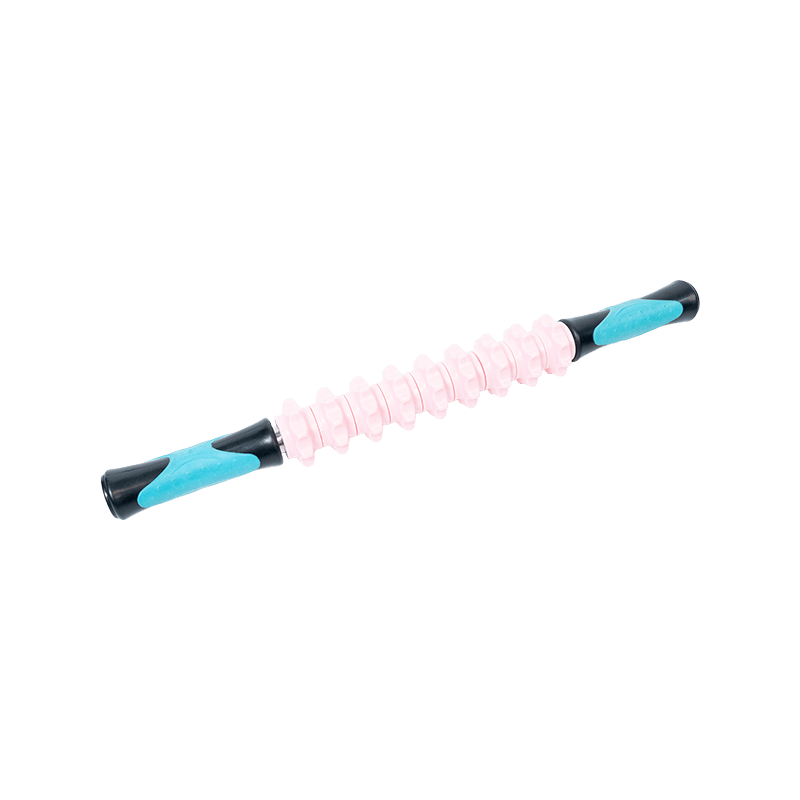
For rotation work, use a TPR anti-torsion bar and alternate slow wrist twists in both directions, keeping the elbow at 90 degrees. Add a light resistance band for finger extension work, as outlined in our resistance band buying guide, to balance every closing pattern with an opening one.
 TPR Dynamic Anti-Torsion Training Bar for Rotation WorkDesigned to resist rotational forces, this bar challenges wrist twists and core stability. It suits the slow alternating rotation drills mentioned, providing progressive feedback for functional training and posture support.View Product →
All five tools are available through Suzhou Apex Sports Goods Co., Ltd., whose OEM and ODM programs allow brand partners to customize durometer, surface texture, and ball diameter for their own product lines.
Static holds for support and pinch
Dead hangs, farmer's carries, and plate pinches build tendon stiffness and isometric endurance. Hold each set for 20 to 45 seconds.
Dynamic reps for crush, rotation, and extension
Ball squeezes, bar twists, and band extensions build muscle mass and contraction speed. Perform 8 to 15 controlled reps per set.
Common Hand Grip Training Mistakes to Avoid
- Training only the crush pattern. Hand grippers dominate commercial grip programs, yet they leave the thumb and the wrist extensors untouched. Add one pinch exercise and one extension exercise to every training week.
- Ignoring the extension grip. Every closing motion needs an opening counterpart. A 2-to-1 ratio of crush to extension work prevents forearm tendon pain and keeps the wrist balanced.
- Using loads that are too light. Grip muscles respond to progressive overload like any other muscle group. Work at 70 to 80 percent of your maximum for dynamic moves, and extend the time under tension for static holds.
- Stopping at discomfort instead of tracking volume. Finger flexors recover quickly and can be trained 3 to 4 times per week, but stop 2 to 3 reps short of failure to protect the small joints of the fingers.
Frequently Asked Questions about Types of Hand Grips
What are the five types of hand grips?
The five types of hand grips are the crush grip, the pinch grip, the support grip, the extension grip, and the rotation grip. Every hand movement in sport and daily life is a combination of these five patterns.
Which hand grip type is the most important for climbing?
The pinch grip is usually the limiting factor in climbing, followed by the support grip for long hangs. Pinch force averages only 30 to 40 percent of crush force, so climbers should spend at least two sessions per week on thumb-dominant work.
How often should I train grip strength?
Train the larger patterns, crush and support, 2 to 3 times per week with 48 hours of recovery. Train the smaller patterns, pinch and extension, up to 4 to 5 times per week because they recover faster and tolerate higher frequency.
What equipment do I need to train all five grip types?
One round grip ball for crush work, one egg-shaped ball for pinch work, one anti-torsion bar for rotation work, and one resistance band for extension work. A thick towel or a pull-up bar covers the support grip without any additional tool.